2026-02-06
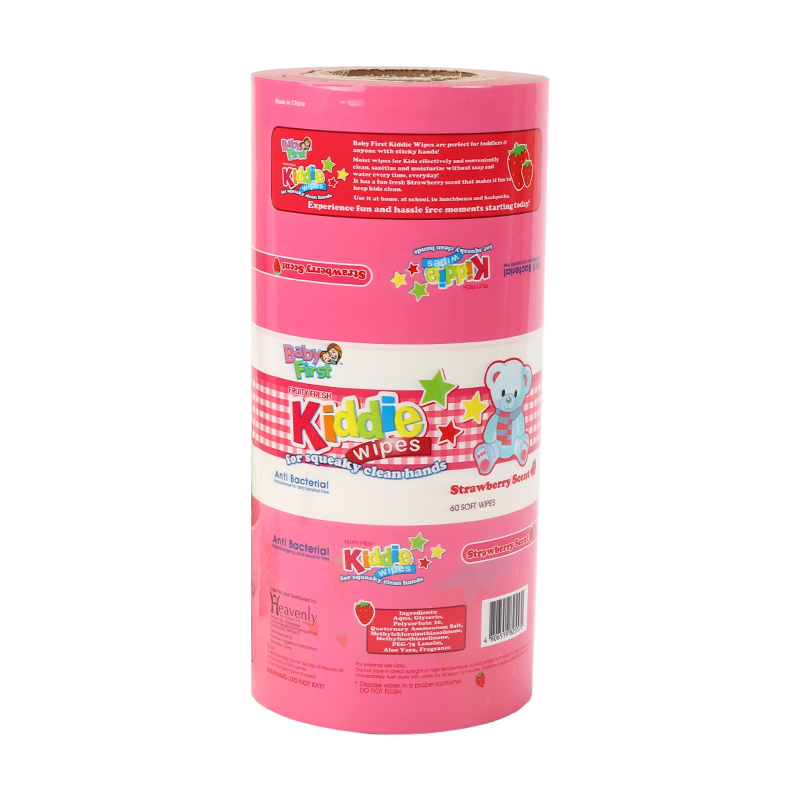
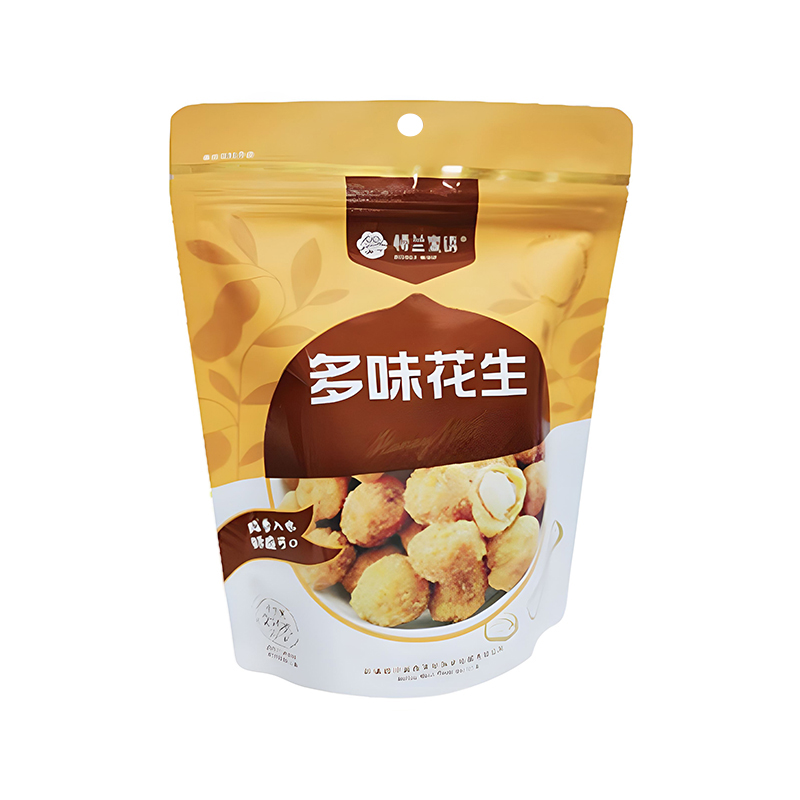
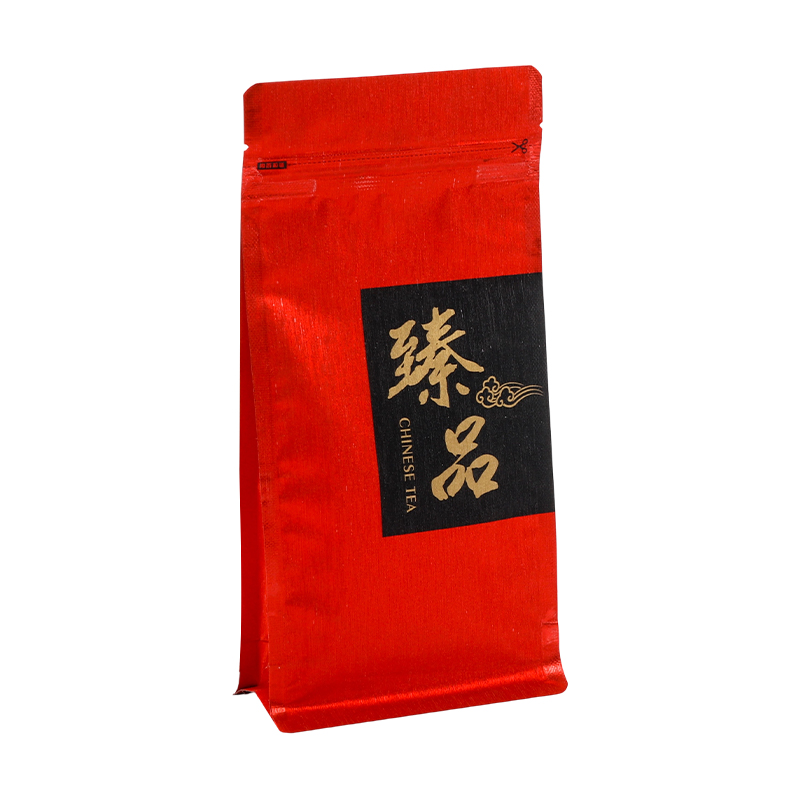
Food packaging film rolls are widely used across the food industry, providing a practical solution for storing, transporting, and protecting products. These films come in various sizes, thicknesses, and materials, allowing them to accommodate different food types, from fresh produce to bakery items. Manufacturers and suppliers focus on producing rolls that are durable, flexible, and easy to handle, ensuring that food items remain well-protected and visually appealing from production to consumption.
The composition of food packaging film rolls varies depending on the intended application. Materials such as polyethylene, polypropylene, and multi-layer laminates are common, each offering specific properties. Polyethylene films are lightweight and flexible, making them suitable for wrapping fruits, vegetables, or bakery products. Polypropylene films provide higher clarity and better heat resistance, ideal for ready-to-eat meals or items requiring labeling. Multi-layer laminates combine several materials to achieve added strength, puncture resistance, and barrier properties, allowing the film to withstand handling and maintain product integrity.
Food packaging film rolls are designed to provide a reliable barrier against moisture, dust, and external contaminants. Proper sealing and wrapping protect the contents, prevent spoilage, and maintain freshness. Transparency is often an important consideration, as consumers prefer to see the product inside the packaging. Some films also feature printed surfaces for branding or labeling, helping products stand out on store shelves while conveying necessary information, such as ingredients, expiration dates, or cooking instructions.
Ease of use is a key factor in the design of food packaging film rolls. Rolls are commonly supplied on spools or in perforated sheets, allowing users to cut and wrap food efficiently. Consistent thickness and tensile strength prevent tearing during application, ensuring that packaging remains intact throughout the storage and handling process. Manufacturers often produce films that are compatible with heat sealing or automated packaging machines, providing additional convenience for commercial users.
Food packaging film rolls also contribute to operational efficiency in the food industry. Retailers, restaurants, and food producers rely on reliable packaging to streamline processes, reduce waste, and maintain hygiene standards. Efficient film rolls allow employees to wrap items quickly, reducing labor time while ensuring that products are securely enclosed. These practical benefits make food packaging film rolls an integral part of everyday food handling and distribution.
Consumers benefit from food packaging film rolls in several ways. Wrapped products remain fresher for longer periods, reducing the likelihood of spoilage and food waste. The protective barrier also prevents cross-contamination and maintains the quality of perishable items. Convenience is another advantage, as wrapped items are easier to transport, store in refrigerators, or take on the go. Transparency and labeling features help consumers identify products easily, adding to the overall user experience.
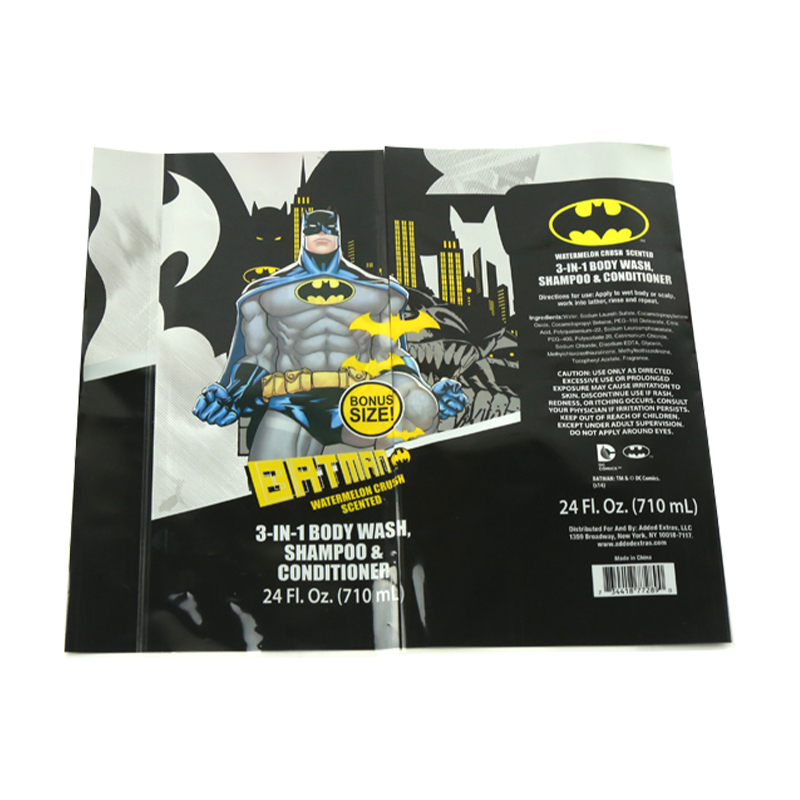
Printing and branding on food packaging film rolls allow producers to communicate information effectively. Manufacturers offer custom printing solutions, enabling brands to display logos, product names, nutritional information, and promotional messages. Clear and attractive printing adds value to the product, making it more appealing to shoppers while maintaining practical functionality. This combination of visibility and protection ensures that packaging meets both commercial and consumer expectations.
The production process of food packaging film rolls emphasizes uniformity, strength, and quality. Films are extruded, laminated, or cast using precise machinery to achieve consistent thickness, strength, and clarity. Quality control measures include inspection for punctures, tears, and uniformity, ensuring that rolls meet the operational needs of businesses and users. Properly manufactured films provide a reliable and efficient solution for packaging a wide range of food items.
Recommended Products
CONTACT US
Add: Rooms 101 and 102, Building 16, Longcheng Micro-Entrepreneurship Park, Longgang City, Wenzhou City, Zhejiang Province, China
TEL: +86-13395775085
E-mail: [email protected] / [email protected]
KEEP In Touch


 English
 русский
 Español