2026-10-30
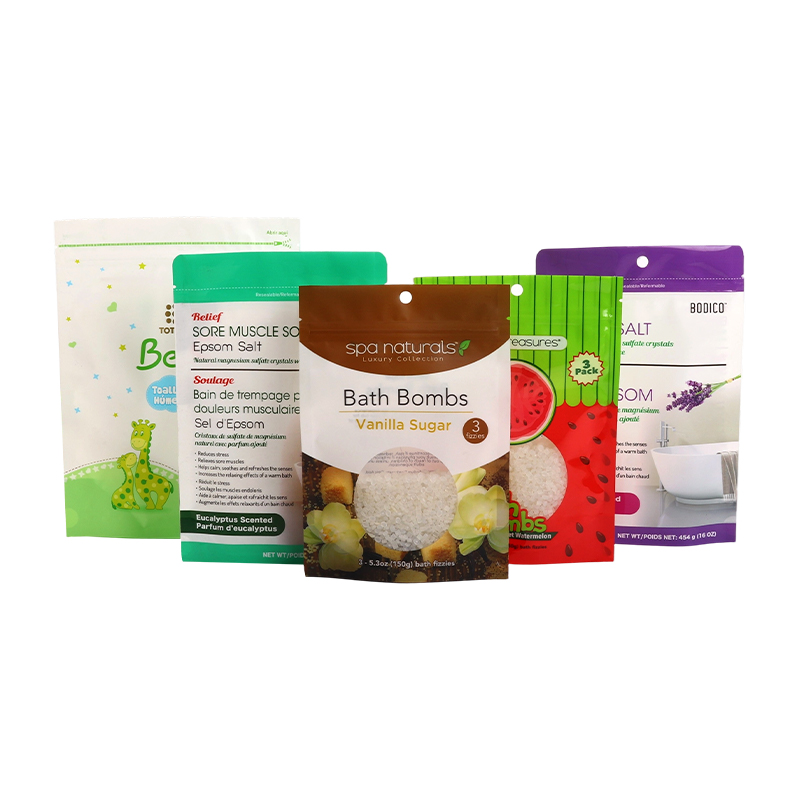
Food packaging bags form a standard component in processing plants, distribution centers, and commercial food preparation areas. These bags hold dry goods, portioned ingredients, prepared items, and bulk materials during storage and movement between stages. Their design focuses on containment, seal integrity, and compatibility with existing filling and handling equipment.
In a production setting, food packaging bags create defined units that simplify counting, stacking, and transfer. Workers fill bags at portioning stations, seal them, and move the units into holding areas or onto conveyors. The bags keep contents separated from surrounding surfaces and from other products, reducing the chance of mixing during busy shifts.
Distribution operations rely on food packaging bags to group items for outbound loads. A consistent bag size allows uniform pallet patterns and predictable weight distribution. When the bags arrive at receiving docks, staff can identify contents by printed markings or by the bag style itself. This clarity supports faster sorting without opening every unit.
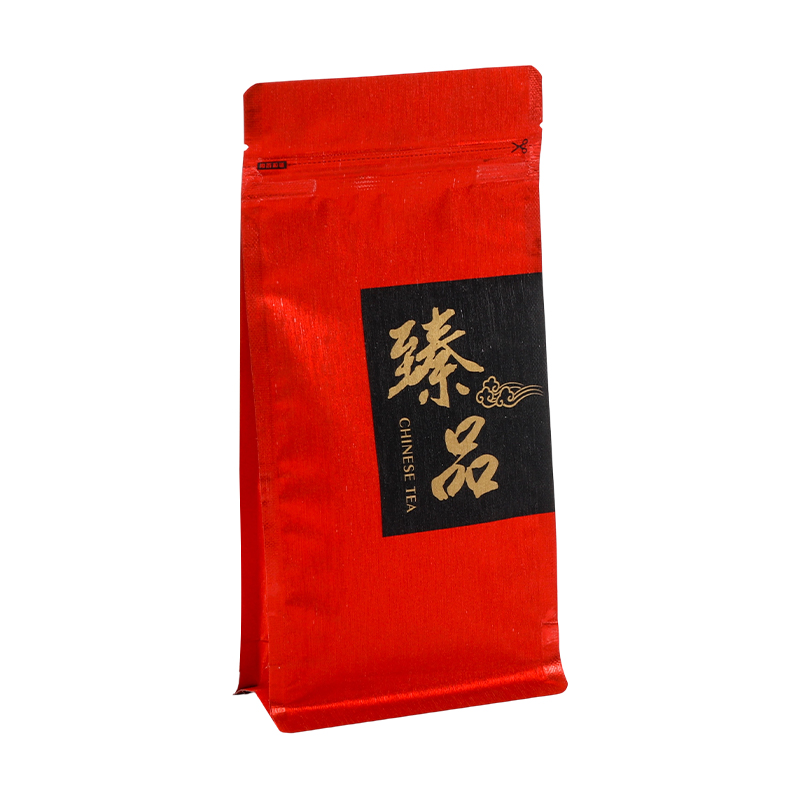
Food packaging bags are typically produced from polyethylene films of varying thickness. Single-layer constructions serve lighter loads, while multi-layer versions add strength for denser products. Heat-sealable edges allow rapid closing on automated or manual equipment. Some bags include gussets that expand to accept larger volumes without stress on the side seams.
Clarity of the film ranges from transparent to translucent or opaque, depending on the need for visual inspection. Transparent food packaging bags let operators confirm fill levels and product condition at a glance. Opaque versions shield light-sensitive contents or present a uniform exterior for labeled goods. Surface treatments can improve print adhesion for batch codes or product identification.
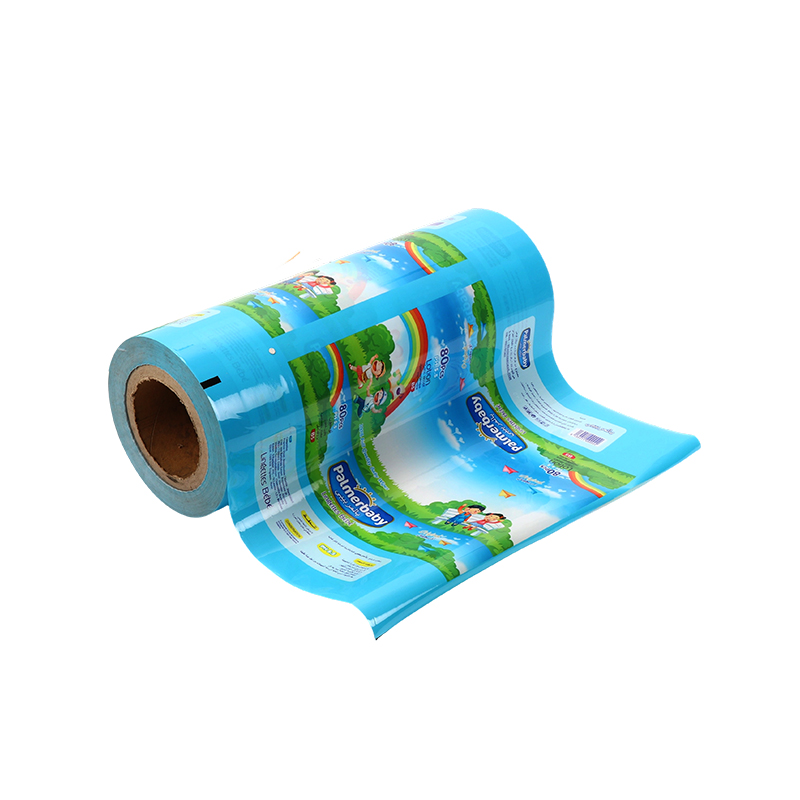
Compatibility with existing machinery influences selection. Vertical form-fill-seal systems require film rolls that match the forming tube diameter and sealing jaw width. Pre-made food packaging bags suit tabletop sealers or hand-held impulse units common in smaller facilities. Open-mouth styles work with volumetric fillers or manual scooping stations.
Seal strength must hold under the weight of the contents and under the vibration of transport. A clean seal line prevents leakage of powders or liquids. When the bags move through secondary packaging such as cartons or crates, the material needs enough puncture resistance to survive contact with edges and stacking pressure.
Teams evaluating food packaging bags review film thickness, seal type, opening style, and dimensional range. Sample testing with actual products confirms fill behavior and seal performance. Matching bag size to portion volume minimizes excess headspace while still allowing proper closure. Coordination with current inventory of outer packaging ensures the bags fit standard carton or crate dimensions.
Suppliers often provide food packaging bags in bulk quantities suited to production schedules. Clear specification of material grade and construction method helps maintain consistency across successive orders. When multiple product lines share the same bag style, simplified stocking reduces the number of SKUs held on site.
Food packaging bags continue to serve as a practical containment solution across processing and distribution stages. Through attention to material strength, seal integrity, and dimensional fit, they support the steady movement of food items from production points to storage and outbound loads.
Recommended Products
CONTACT US
Add: Rooms 101 and 102, Building 16, Longcheng Micro-Entrepreneurship Park, Longgang City, Wenzhou City, Zhejiang Province, China
TEL: +86-13395775085
E-mail: [email protected] / [email protected]
KEEP In Touch


 English
 русский
 Español