2025-12-05
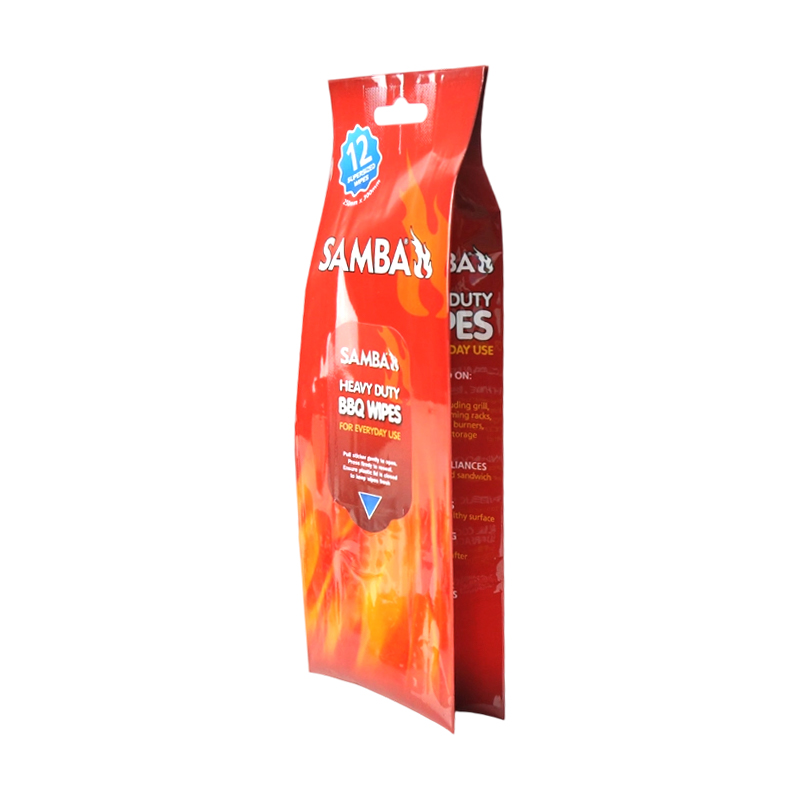
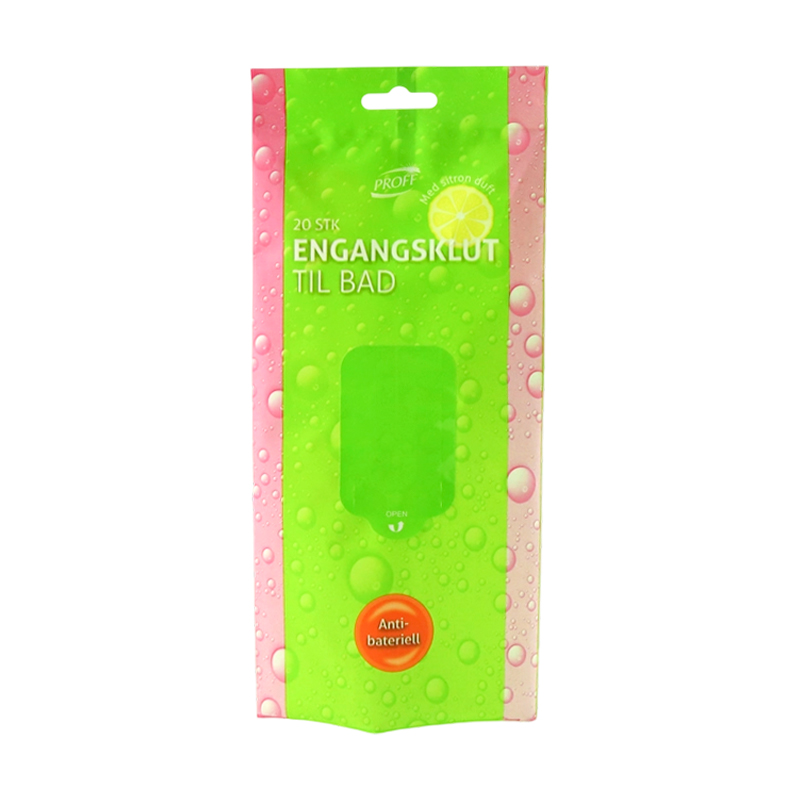
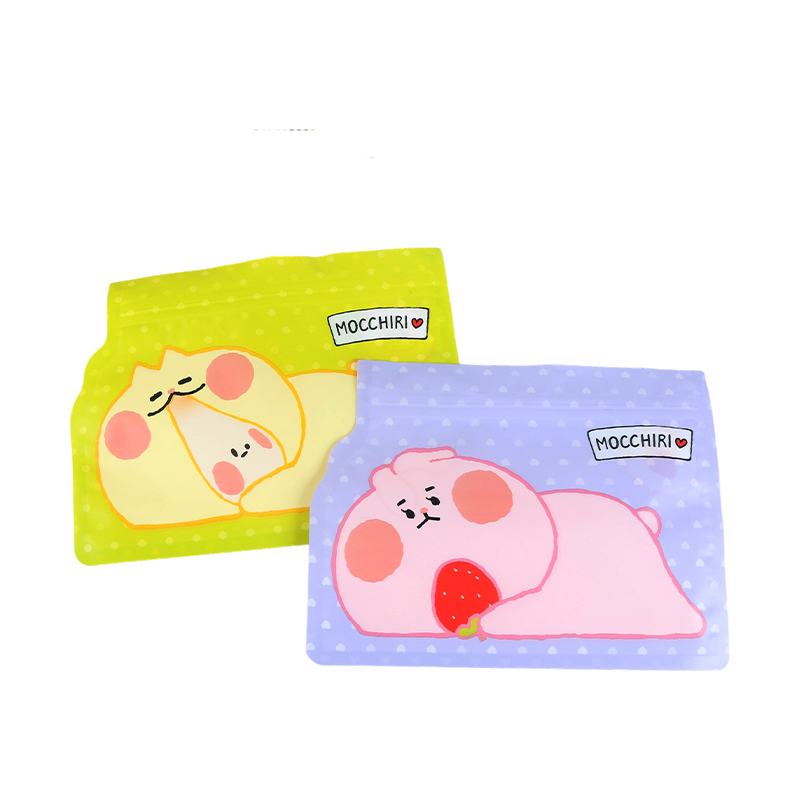
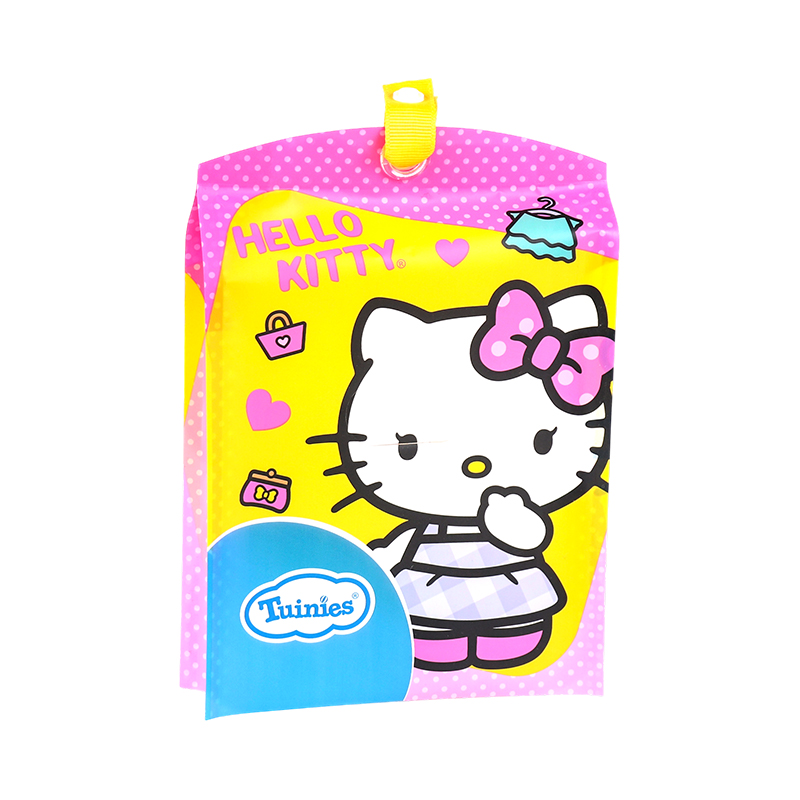
Wet wipes have become a staple in households, healthcare facilities, and businesses around the world. These convenient, disposable products offer a quick and efficient solution for cleaning and disinfecting surfaces, hands, and even personal care needs. The packaging not only plays a critical role in maintaining the freshness and usability of the wipes but also ensures convenience, sustainability, and cost-effectiveness for consumers and manufacturers alike.
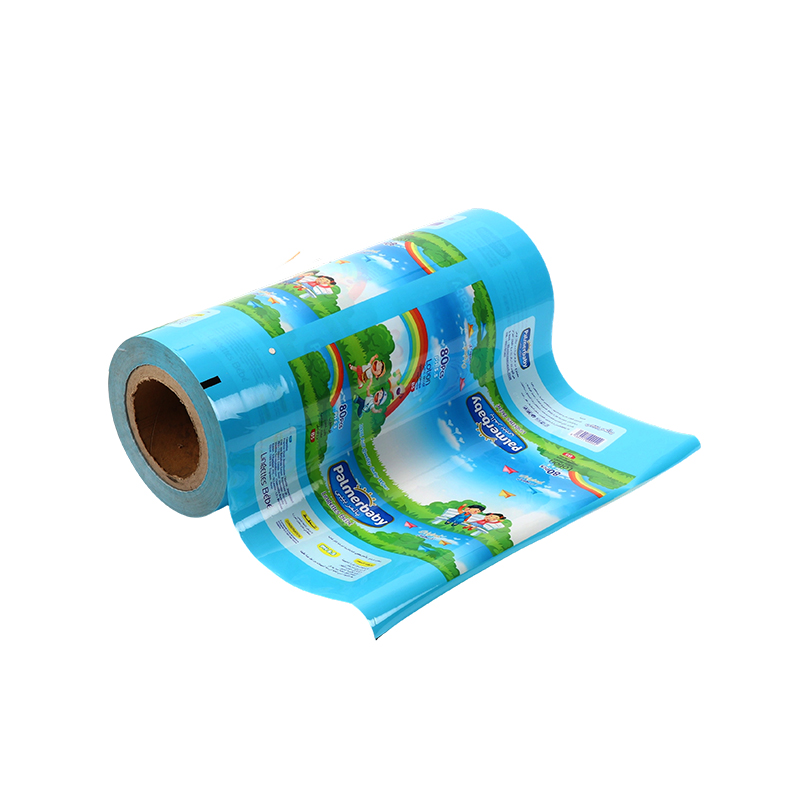
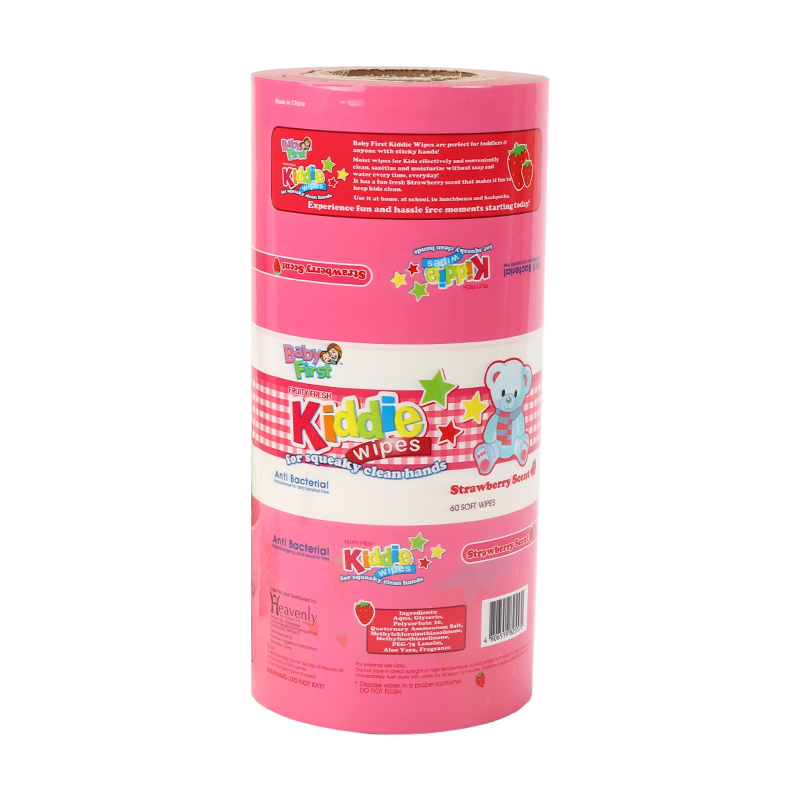
The manufacturing of wet wipes packaging film rolls involves advanced techniques designed to provide the best balance of durability, flexibility, and protection for the wipes inside. The primary function of the packaging film is to keep the wipes moist and prevent contamination. This is achieved through specialized films that are designed to be both waterproof and airtight. These films are designed to provide an optimal barrier to moisture, ensuring that the wipes remain wet until they are used.
Advanced technologies in film extrusion and lamination are employed to create these packaging films. The extrusion process involves melting plastic materials and shaping them into thin sheets, which are then rolled into the required form. Lamination is used to combine multiple layers of materials, enhancing the strength and flexibility of the film while providing extra protection against external elements. This multilayer construction helps improve the barrier properties, ensuring that the wipes inside are preserved for longer periods, reducing the risk of drying out or becoming contaminated.
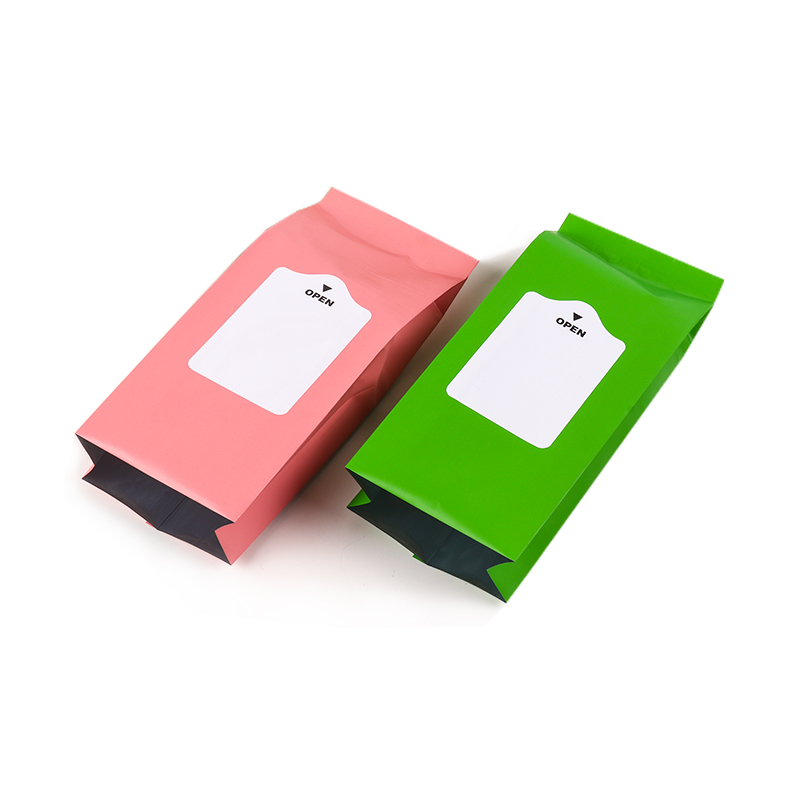
In addition to performance, wet wipes packaging films are designed with consumer convenience in mind. Many packaging rolls are now made with easy-tear perforations, allowing users to access the wipes without the need for additional tools or effort. Some packaging films also feature resealable closures, ensuring that the wipes remain moist after opening. These resealable options are particularly popular in both personal care and industrial wipes, as they help maintain the freshness and usability of the product over time. The ability to quickly and easily dispense wipes without wasting any is an important consideration for manufacturers looking to meet consumer expectations.
The demand for sustainable packaging materials in the wet wipes market has also seen significant growth. Manufacturers are responding to this demand by exploring biodegradable and recyclable packaging solutions. For instance, some manufacturers have started using films made from renewable resources such as plant-based plastics or bioplastics. These materials offer a more sustainable alternative to traditional petroleum-based plastics and help reduce the environmental impact of wet wipes packaging.
Another factor driving changes in wet wipes packaging film rolls is the growing demand for convenience and hygiene. In recent years, there has been an increased focus on hygiene products, driven partly by global health trends. This has led to a surge in demand for disinfectant wipes, hand sanitizing wipes, and other personal care wipes. The packaging for these wipes needs to meet strict hygiene standards, ensuring that the wipes are protected from contaminants and remain effective when used.
In conclusion, wet wipes packaging film rolls have come a long way in terms of material innovation, functionality, and sustainability. Demand for wet wipes continues to grow, prompting manufacturers to develop packaging solutions that balance performance, convenience, and environmental impact. The future of wet wipes packaging will continue to evolve, providing consumers with high-quality, effective, and eco-friendly solutions for their hygiene and cleaning needs.
Recommended Products
CONTACT US
Add: Rooms 101 and 102, Building 16, Longcheng Micro-Entrepreneurship Park, Longgang City, Wenzhou City, Zhejiang Province, China
TEL: +86-13395775085
E-mail: [email protected] / [email protected]
KEEP In Touch


 English
 русский
 Español