2026-07-17
A bag of chips and a bag of frozen shrimp face completely different challenges. Chips need protection from crushing and air exposure. Frozen shrimp needs to survive temperature swings without the bag cracking or leaking. Coffee needs a barrier against oxygen and moisture, or the flavor fades fast.
Because of this, food packaging bags aren't really one category — they're a group of solutions built around specific problems:
Picking the wrong category doesn't just look bad — it can shorten shelf life or let a product spoil faster than intended.
Most food packaging bags aren't made from a single layer of plastic. They're built from multiple thin layers, each one doing a different job. A typical multi-layer bag might combine:
| Layer | Purpose |
| Outer layer | Print quality, surface strength |
| Middle layer | Barrier against oxygen or moisture |
| Inner layer | Seal integrity, contact-safe for food |
This layering is why two bags that look nearly identical from the outside can perform very differently once a product sits inside them for weeks. A supplier cutting corners on the middle barrier layer might produce a bag that looks fine on day one but lets a product go stale faster than expected.
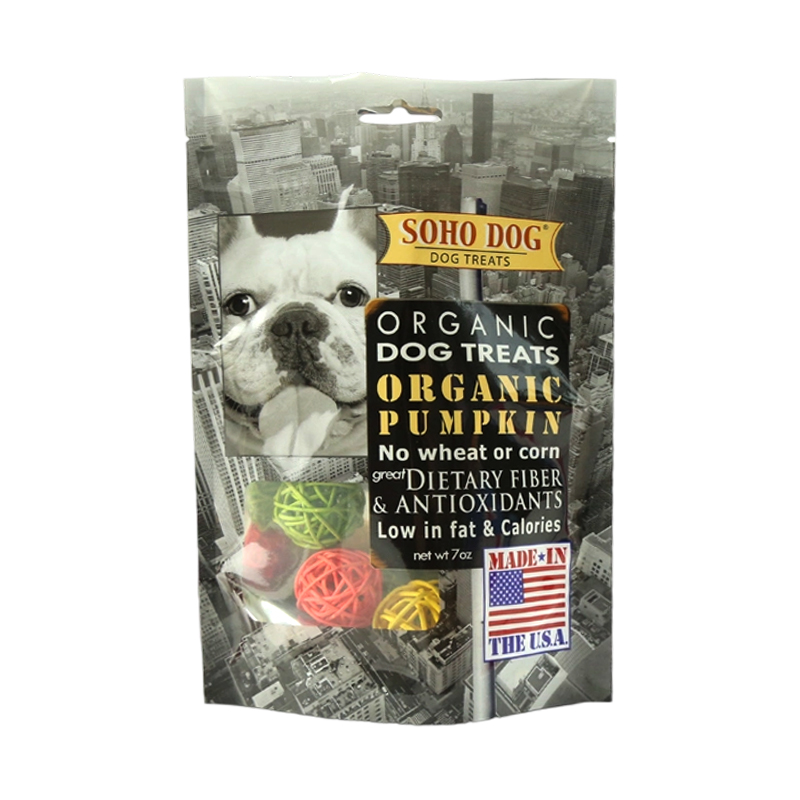
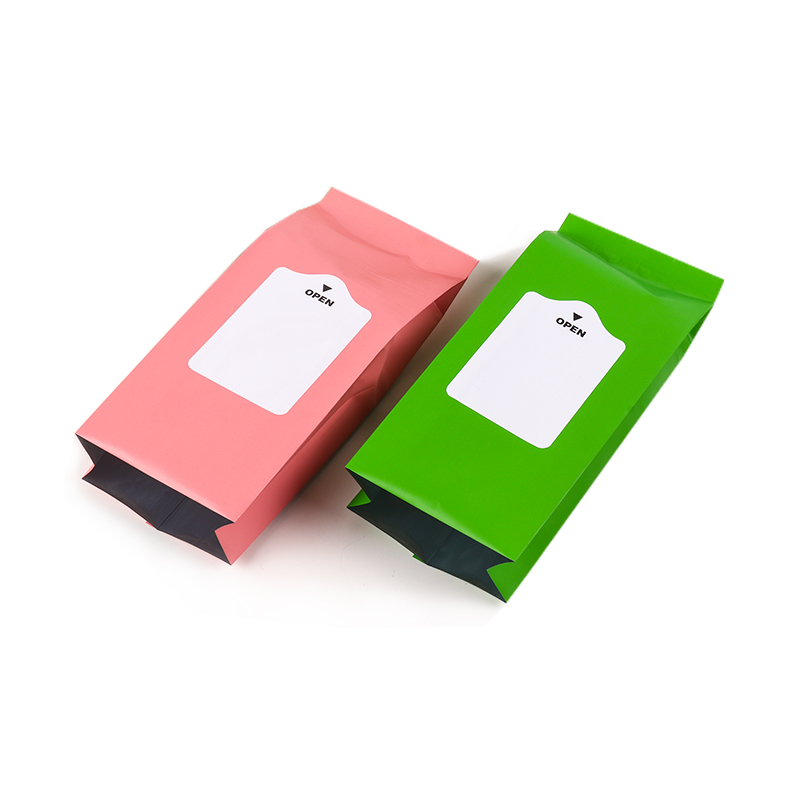
Walk down a snack aisle and notice how some bags are fully transparent, some are solid colors, and others use a small clear window. This isn't just a design choice — it affects both shelf appeal and product protection.
Clear bags let shoppers see the product, which works well for items where appearance sells (think colorful candy or fresh pasta). Opaque bags protect against light exposure, useful for products sensitive to UV degradation, like certain oils or roasted coffee. Window bags try to split the difference, offering visibility while still shielding most of the product from light.
The way a bag seals shut affects both shelf presentation and how a product holds up during shipping. Common seal types include:
Buyers ordering food packaging bags in bulk usually weigh seal type against how the end product will actually be used. A resealable zipper adds cost per unit, but for something like trail mix or shredded cheese, it's often what keeps repeat customers satisfied with freshness after the first use.
There's no single answer to which food packaging bag works best across every product line, because the product itself dictates the requirements. A supplier that understands the difference between packaging ground coffee and packaging frozen dumplings will usually ask pointed questions upfront — barrier needs, seal type, expected shelf time — rather than offering a one-size-fits-all bag and hoping it holds up.
Recommended Products
CONTACT US
Add: Rooms 101 and 102, Building 16, Longcheng Micro-Entrepreneurship Park, Longgang City, Wenzhou City, Zhejiang Province, China
TEL: +86-13395775085
E-mail: [email protected] / [email protected]
KEEP In Touch


 English
 русский
 Español