2026-05-29
These bags are flexible containers made to hold various food products safely during storage and transport. They come in a range of sizes and styles to match different items, whether dry snacks, fresh produce, or frozen goods. The main goal is to provide a simple yet effective way to contain, protect, and present food without unnecessary complications.
Clear surfaces on many bags make it easy to see what’s inside, which helps with quick checks and inventory work. Their light weight also makes them convenient for stacking and shipping, fitting smoothly into existing logistics setups. In practice, they support portioning and basic labeling needs that retailers and consumers both expect.
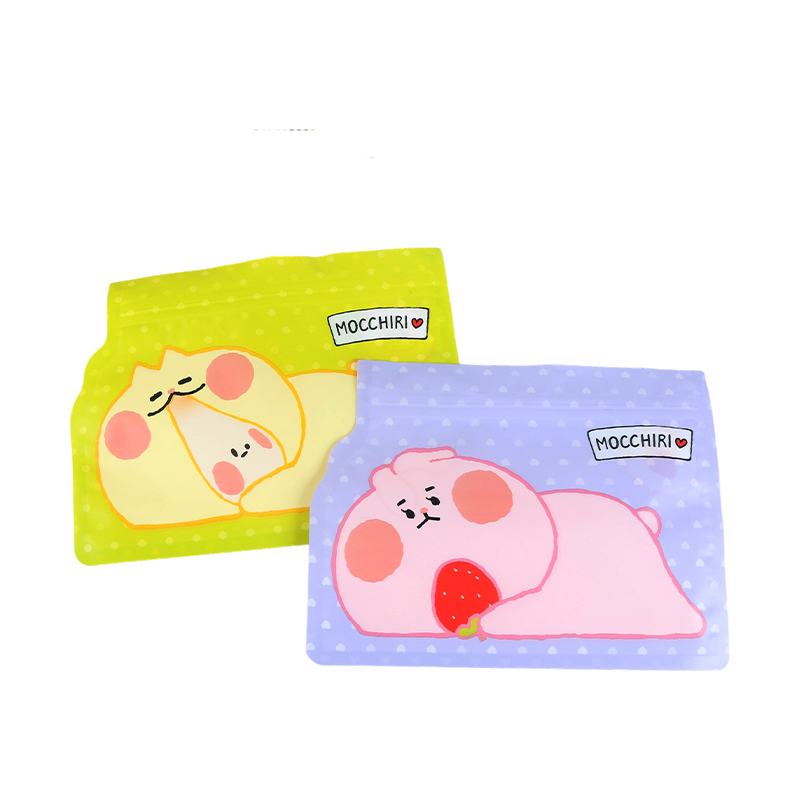
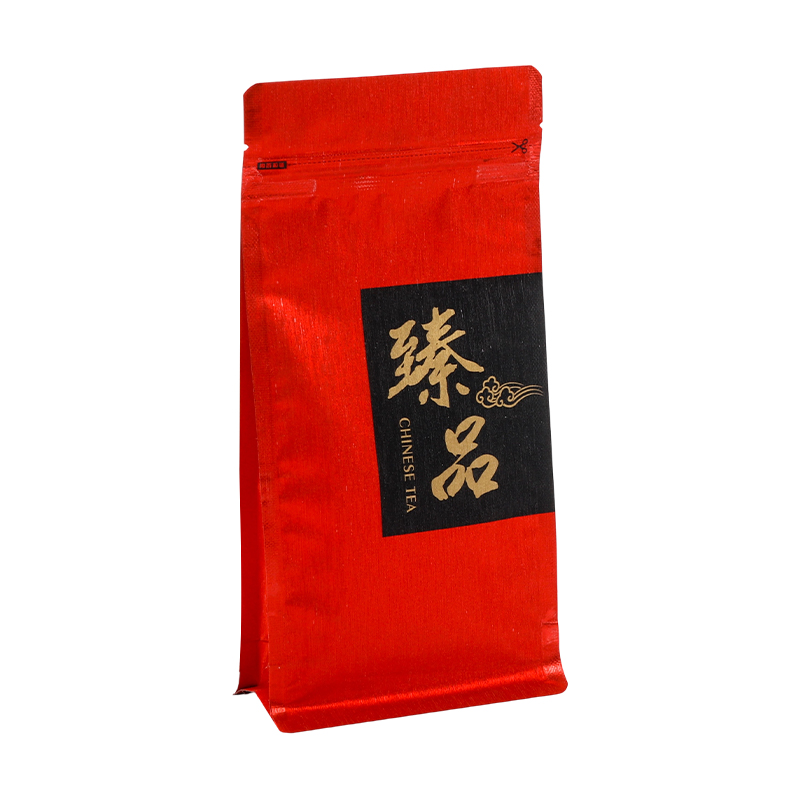
Several common types address everyday requirements in the food sector. Resealable pouches let users open and close the package multiple times without much trouble. Stand-up designs stay upright on shelves, offering decent visibility in retail spaces. Flat styles suit single portions or items that do not need extra volume.
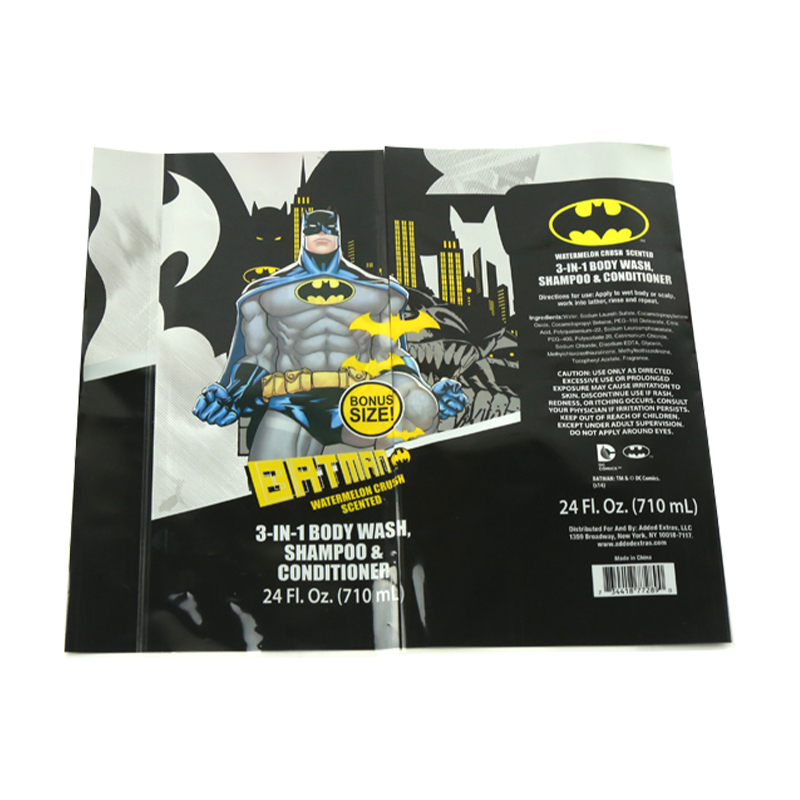
Some bags use vacuum features to reduce air inside, while others include side gussets for added capacity. Printed versions carry product details and branding directly on the material. Each type fits certain situations, such as initial packing at factories or final display in supermarkets, allowing workers to choose what works best for the specific product and process.
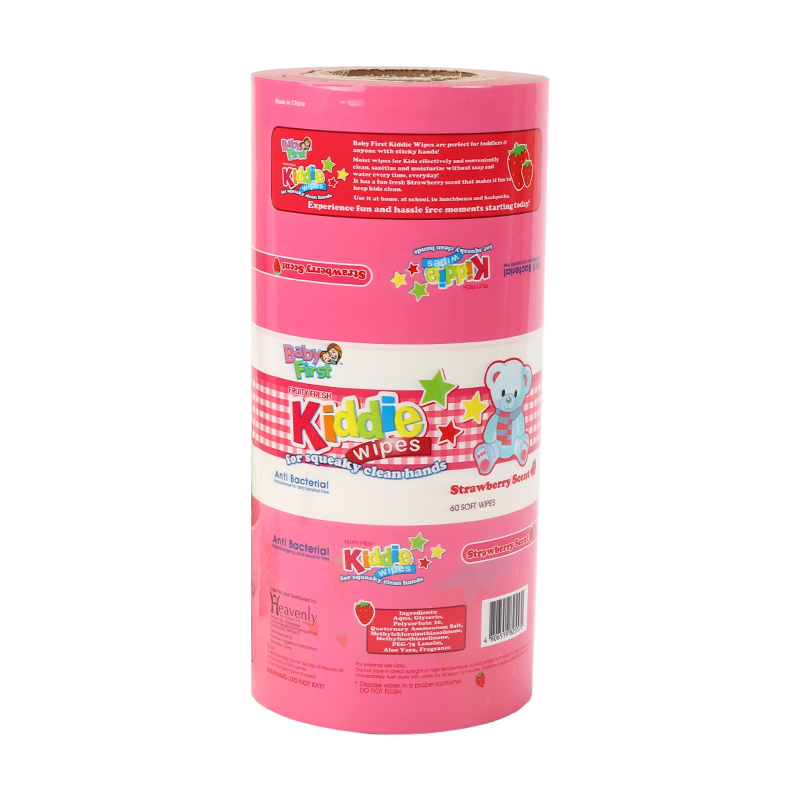
Manufacturers pick materials based on the demands of the food and the handling conditions. Polyethylene and polypropylene appear often because they offer a useful balance of strength and flexibility. Some bags combine multiple layers to manage basic barrier needs like moisture or light exposure.
Thickness levels vary depending on the load — thicker films for heavier contents and lighter ones for delicate or smaller packs. Coatings can improve sealing performance and provide reasonable resistance to normal wear during movement. The materials also need to work smoothly with standard filling machines used on production lines, so compatibility remains an important factor in selection.
These bags create a physical separation that limits contact with outside elements during normal distribution. Good seals reduce the chance of unwanted exposure, while clear designs allow visual inspection without opening the package each time. This supports checks at warehouses and stores alike.
For items sensitive to humidity, certain bags help manage internal conditions to maintain texture and appearance over typical timeframes. Snack foods, baked items, and other categories benefit from this control in regular supply routes. Printed information on the bags also delivers necessary details like ingredients and basic handling guidance directly to those who need it.
You will find food packaging bags in many areas of the industry. Snack producers use them for crisps, nuts, and dried fruits to limit breakage and keep products fresh enough for sale. Bakeries pack bread, cookies, and similar goods in formats that hold up during delivery to retail points.
Fresh produce often goes into bags with ventilation holes when air flow matters. Frozen items need bags that stay flexible in cold conditions. Ready meals and convenience products may use versions suitable for reheating. Larger bags support bulk movement to food service kitchens, while standard sizes fit neatly on store shelves.
In short, food packaging bags continue to serve as a practical solution in food distribution. Their variety and straightforward performance help keep operations running smoothly across different segments of the industry. Companies adjust choices based on current needs, making these bags a steady part of how food reaches consumers.
Recommended Products
CONTACT US
Add: Rooms 101 and 102, Building 16, Longcheng Micro-Entrepreneurship Park, Longgang City, Wenzhou City, Zhejiang Province, China
TEL: +86-13395775085
E-mail: [email protected] / [email protected]
KEEP In Touch


 English
 русский
 Español