2026-09-04
Food packaging is changing in small but noticeable ways across food processing and packaging operations. Flexible materials are becoming an important part of packaging lines because they can handle different product shapes, packaging formats, and production requirements. Among these materials, Food packaging film roll is widely used for wrapping, sealing, forming, and protecting packaged food products.
A film roll provides a continuous supply of packaging material for automated and semi-automated equipment. Instead of handling individual pieces of film, production lines can feed the material directly from a roll. This setup can help packaging operations maintain a steady workflow while reducing interruptions caused by manual film handling.
Food packaging film is not a single material with one fixed structure. Different packaging applications require different combinations of flexibility, thickness, transparency, sealing performance, and mechanical strength.
Some films are designed for clear packaging, allowing the packaged product to remain visible. Others are produced for applications where appearance, printing, or controlled sealing is more important. Multilayer structures can also combine different material characteristics within one film.
The structure of a Food packaging film roll usually depends on the packaging equipment and the food product being packed. Soft bakery products, frozen foods, snacks, meat products, and prepared foods may require different film characteristics.
Film roll dimensions have a direct relationship with packaging equipment. Width, thickness, roll diameter, and core size can affect how the film is loaded and fed into a machine.
A suitable roll width helps the film match the packaging format without unnecessary material extending beyond the working area. Roll length also influences how frequently operators need to replace packaging material during production.
For automated packaging facilities, consistent roll dimensions can make material handling easier. A stable feeding process helps equipment perform repeated packaging cycles according to the selected machine settings.
Heat sealing is common in many food packaging applications. During the packaging process, the film is positioned around or over the product before selected areas are heated and pressed together.
The sealing characteristics of the film need to match the equipment and packaging format. Factors such as sealing temperature, pressure, dwell time, and film structure can influence the finished package.
For this reason, buyers often consider more than the appearance of the film when selecting a Food packaging film roll. The relationship between the film and the packaging machine is an important part of material selection.
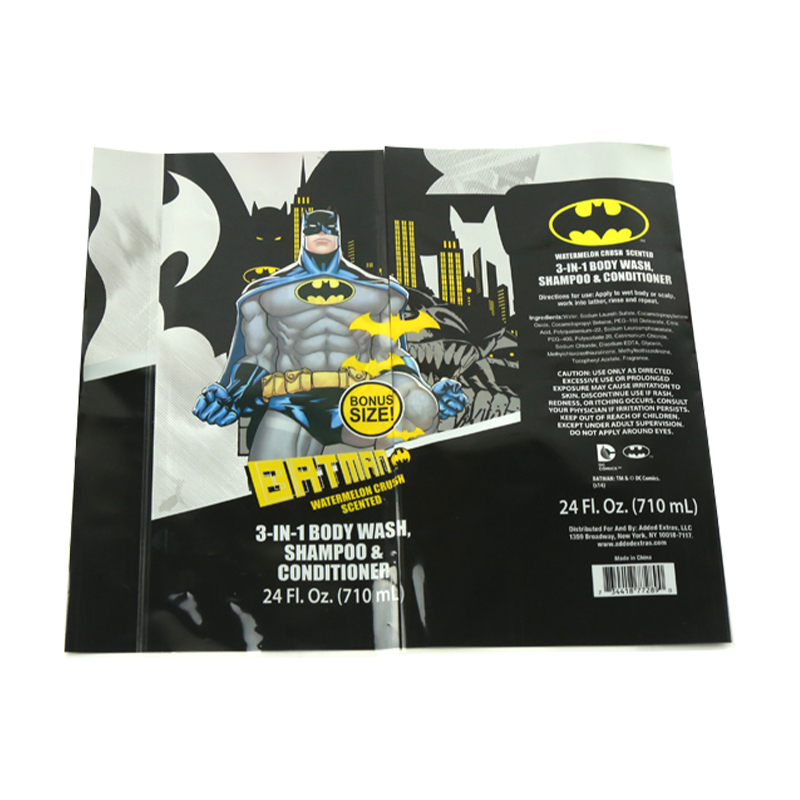
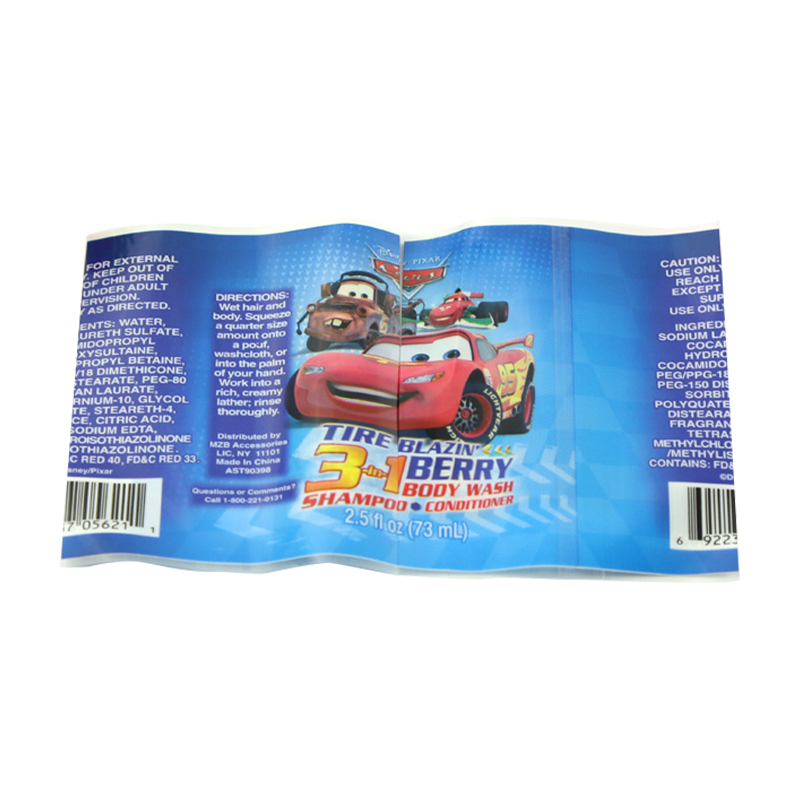
Printed packaging film can combine product information with visual elements on the same material. Logos, product names, patterns, instructions, and other details can be printed onto suitable film surfaces.
For packaging manufacturers, printed film also creates opportunities to develop different package designs without changing the basic roll-fed production method. The printing process and film structure need to work together so that the finished material remains suitable for packaging equipment.
Selecting a Food packaging film roll starts with the product and packaging process. Buyers generally need to consider the food type, packaging format, machine configuration, required film width, thickness, roll dimensions, and sealing method.
Storage and transportation conditions can also influence material selection, especially when packaged products move through different stages before reaching distribution channels.
As food processing becomes more diverse, film rolls continue to serve as a practical material format for packaging operations. Their compatibility with different machines, film structures, and packaging designs makes them a useful component in flexible food packaging production.
Recommended Products
CONTACT US
Add: Rooms 101 and 102, Building 16, Longcheng Micro-Entrepreneurship Park, Longgang City, Wenzhou City, Zhejiang Province, China
TEL: +86-13395775085
E-mail: [email protected] / [email protected]
KEEP In Touch


 English
 русский
 Español