2026-09-11
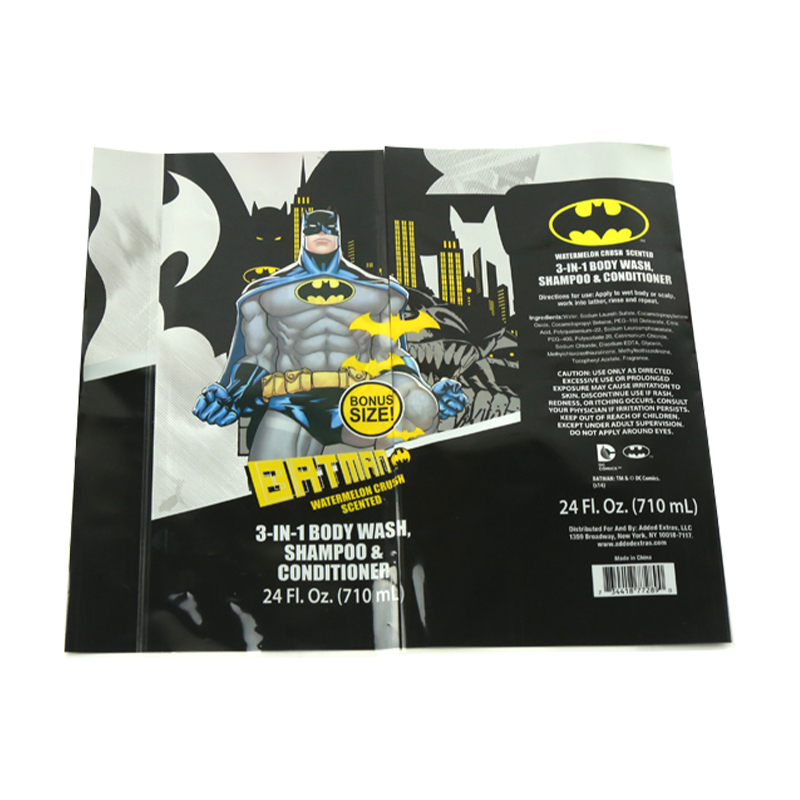
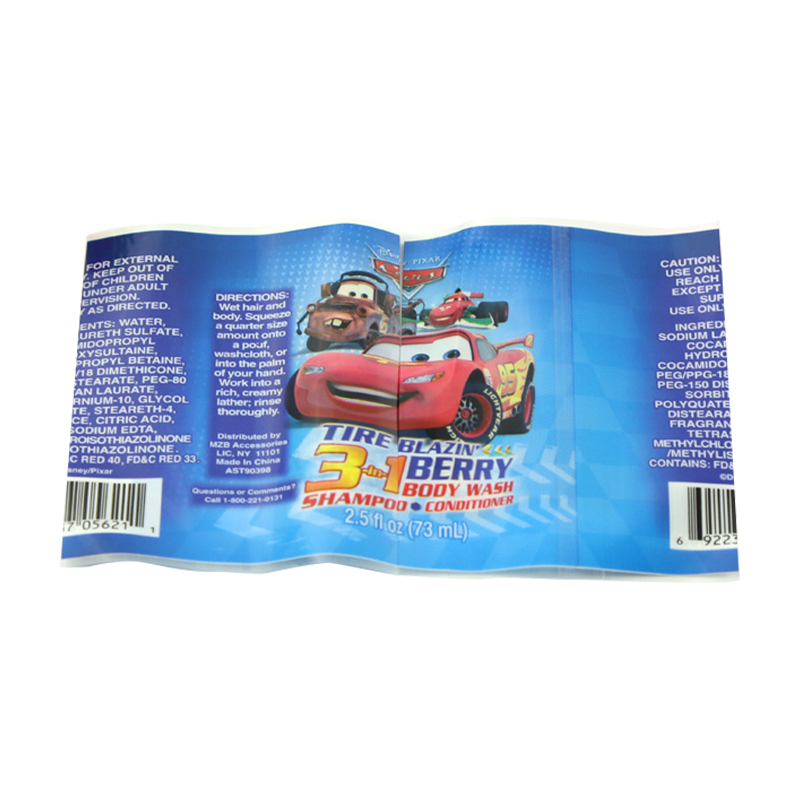
Packaging labels do more than display product information. Their shape, material, printing quality, and ability to fit a container can all influence how a finished package looks. Shrink film label technology offers a different approach from traditional adhesive labels by using heat to make a printed film conform closely to the shape of a container.
This method is widely associated with bottles, jars, containers, and other packages that have curved surfaces. Instead of placing a flat label onto a specific area, the film can surround a larger portion of the package and follow its contours.
A Shrink film label starts as a printed plastic film designed to shrink when exposed to controlled heat. The film is produced in a form that allows it to contract toward the container surface during the labeling process.
Before shrinking, the label is placed around the package. It may appear slightly loose or oversized at this stage. When heat is applied, the film contracts and moves closer to the container.
The result is a label that can cover curved sections, narrow areas, shoulders, and other changes in container geometry. This makes shrink labeling different from a conventional flat sticker.
Printing is an important stage before the label reaches the packaging line. Graphics, brand elements, product descriptions, patterns, and other visual details can be printed onto the film.
Because the label may eventually wrap around the entire container, artwork needs to account for the final shape. Graphics placed near curved sections can appear different after shrinking compared with their appearance on a flat film.
The Shrink film label therefore connects printing and physical packaging design. Designers need to consider not only the artwork itself but also how the printed film will move and contract around the package.
One noticeable feature of a Shrink film label is its ability to cover a large section of a container. A conventional adhesive label often occupies a defined panel on the front or back. A shrink sleeve can extend around the sides and sometimes cover nearly the entire visible body.
This creates additional space for graphics and product information. It also allows designers to work around unusual bottle profiles instead of limiting the label to one flat surface.
For containers featuring curves, shoulders, recessed areas, or changing diameters, the shrinking process can create a close-fitting appearance that would be difficult to achieve using a rigid flat label.
Shrink film label applications can be found across several packaging categories. Beverage bottles, personal care containers, household products, food packages, and other consumer products may use shrink sleeves or similar film labels.
The exact format depends on the container and production process. Some labels are designed as full sleeves, whereas others cover selected areas of a package.
The technology can also support different visual styles. Transparent films, printed backgrounds, metallic effects, matte surfaces, and high-gloss finishes can create different appearances after the film has been applied.
Container geometry plays a major role in shrink labeling. A straight cylindrical bottle presents a relatively simple surface, but a package that becomes narrower near the top creates a different challenge.
The Shrink film label must be able to contract around these changes without creating unwanted folds or distorted graphics. Label dimensions, film shrink characteristics, artwork placement, and heat conditions all interact during the process.
This is why label design and container design often need to be considered together. A successful result depends on the relationship between the film and the package rather than the label alone.
Recommended Products
CONTACT US
Add: Rooms 101 and 102, Building 16, Longcheng Micro-Entrepreneurship Park, Longgang City, Wenzhou City, Zhejiang Province, China
TEL: +86-13395775085
E-mail: [email protected] / [email protected]
KEEP In Touch


 English
 русский
 Español