Home / News / Industry News / Hygienic Packaging Materials Enhance Food Preservation and Brand Value
2026-01-23
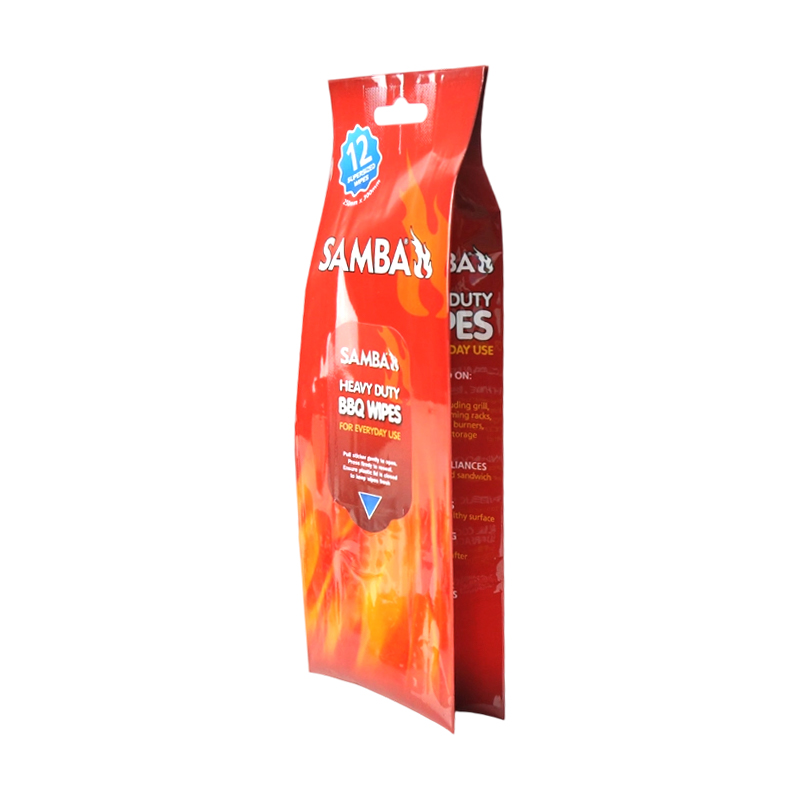
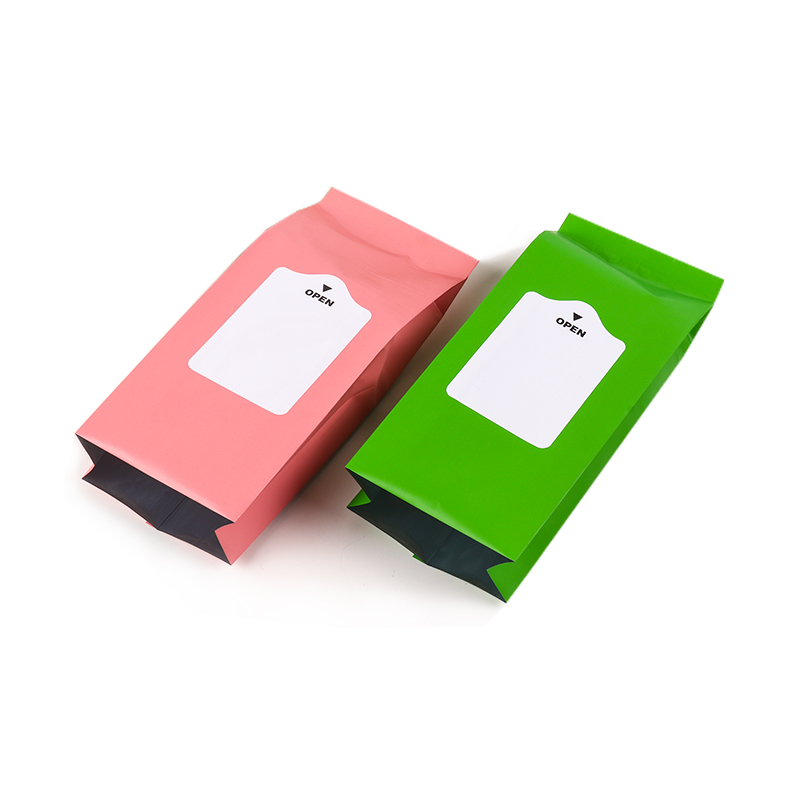
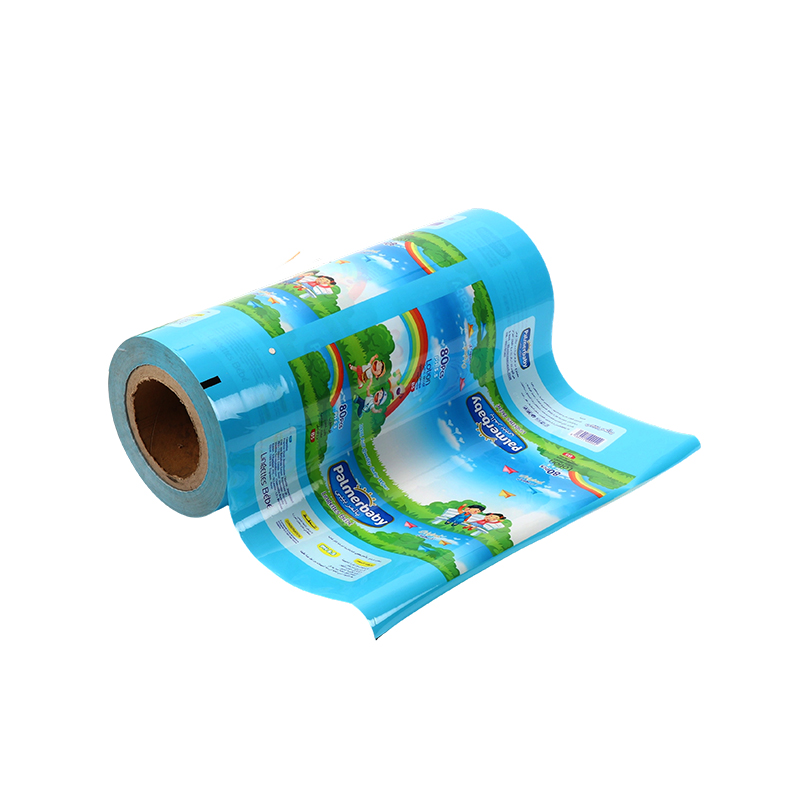
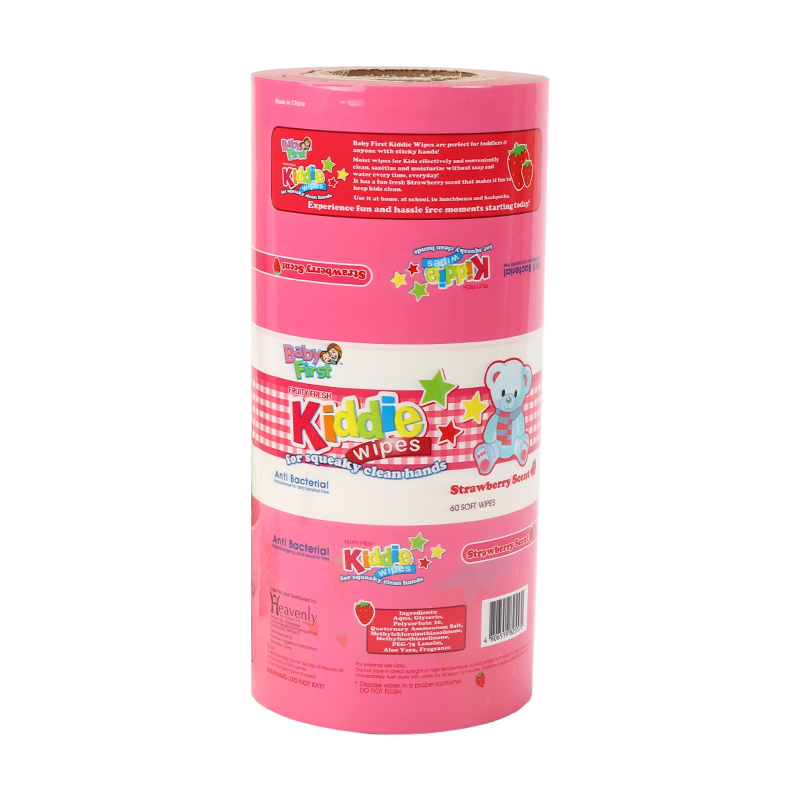
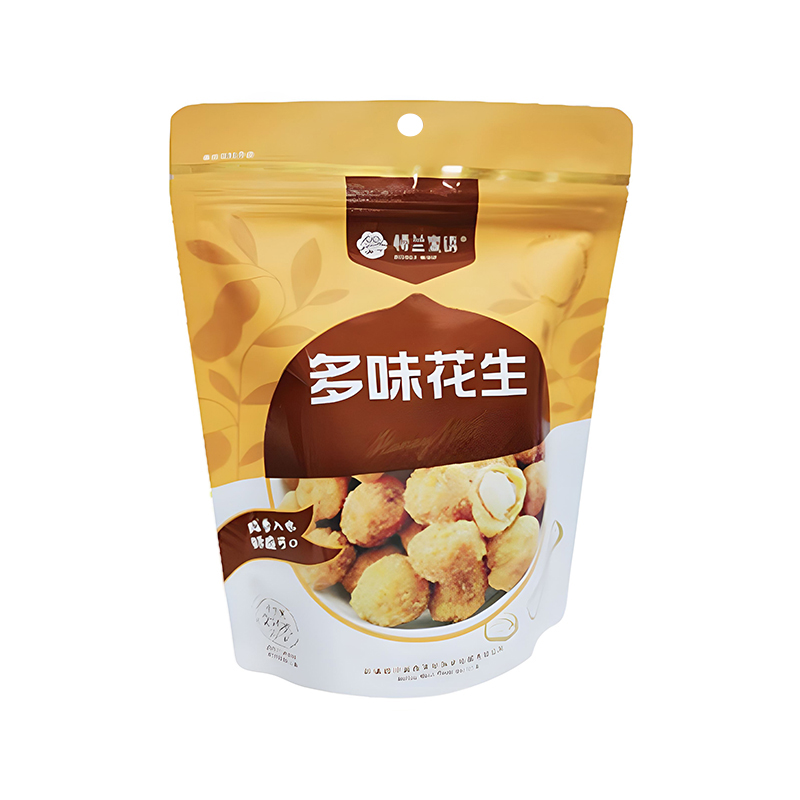
Hygienic packaging materials have become a cornerstone of modern food safety practices. Manufacturers increasingly focus on materials that prevent contamination while preserving freshness. These materials are designed to resist moisture, bacteria, and chemical interactions that could compromise product quality. Advanced polymer films, coated papers, and antimicrobial layers offer protection across storage, transportation, and retail environments. Many packaging solutions incorporate tamper-evident seals or easy-to-open features that ensure both safety and convenience for consumers. Some packaging designs integrate easy-to-read labeling and portion-controlled compartments, improving usability and reducing food waste, particularly in household and commercial applications.
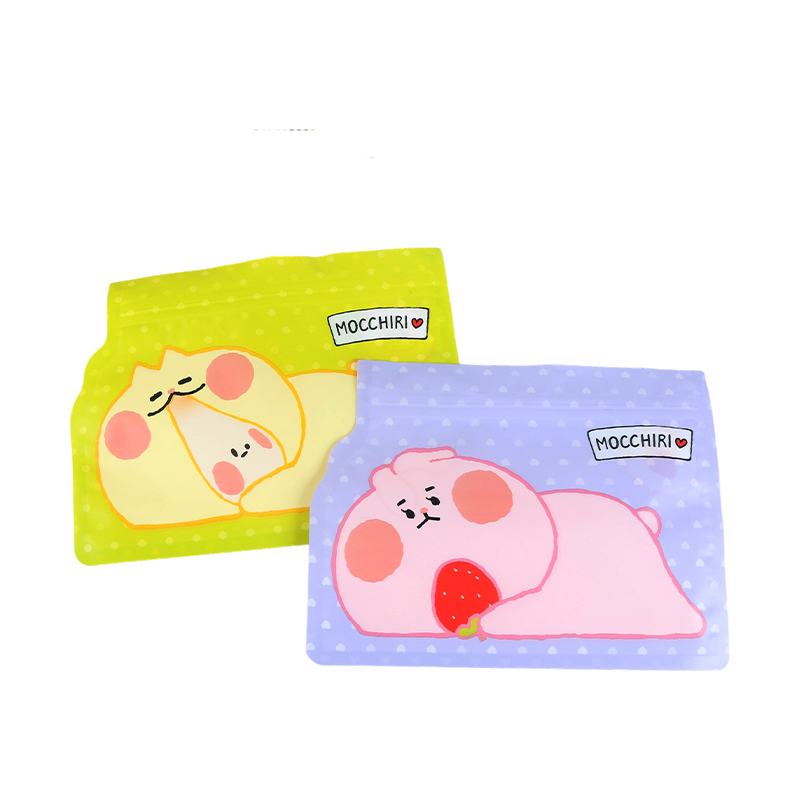
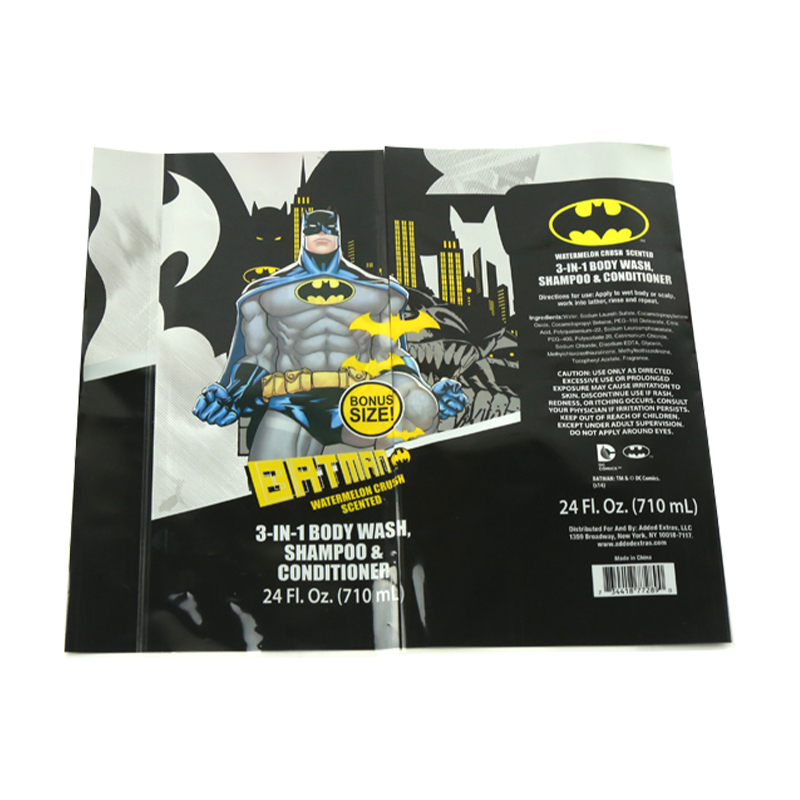
The industry has seen significant innovation in hygienic packaging materials. Coatings that repel grease or liquids, oxygen barriers that extend shelf life, and biodegradable options combine performance with environmental responsibility. Material engineers test durability, flexibility, and resistance to punctures or tears, ensuring products maintain their integrity under various conditions. These innovations also allow manufacturers to create packaging that is easy to handle and visually appealing. Some materials even integrate smart indicators that change color when products are exposed to excessive heat or moisture, providing an additional layer of consumer safety. Collaboration between packaging designers and printing specialists allows for high-resolution graphics and clear product information without compromising hygiene or barrier performance.
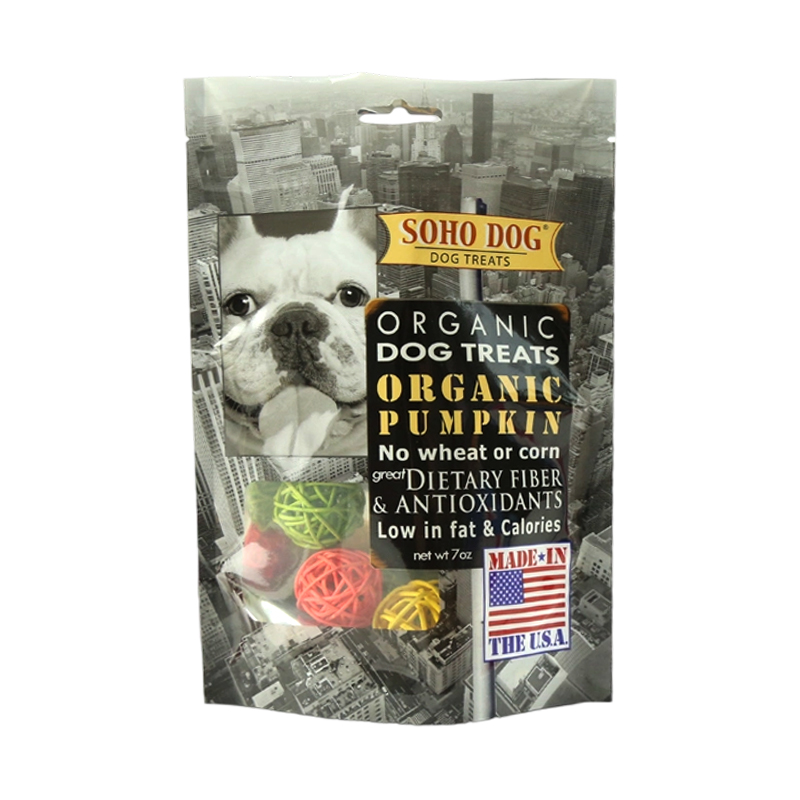
Hygienic packaging materials directly influence consumer perception. Shoppers associate clean, intact packaging with product safety and quality. Brands adopting high-standard hygienic materials often experience enhanced trust and loyalty. Labeling, clear windows, and tactile finishes can communicate freshness and care, giving products a competitive edge on crowded store shelves. Consumers increasingly demand packaging that communicates both transparency and reliability, encouraging brands to invest in higher-quality materials that meet evolving expectations. The combination of innovative design and protective features often justifies premium pricing, reinforcing the perception of value and reinforcing brand prestige.
Many manufacturers are integrating sustainable practices in hygienic packaging. Recyclable films, compostable papers, and water-based coatings reduce environmental impact. Regulatory compliance ensures that packaging materials meet safety standards for food contact, protecting both consumers and brand reputation. Collaboration between packaging engineers and food scientists ensures that hygiene, safety, and sustainability objectives align. Companies are also exploring lightweight materials that reduce shipping costs and carbon emissions while maintaining durability and safety. Efforts to standardize recyclable or compostable packaging at scale are helping brands respond to growing regulatory pressure and consumer demand for environmentally responsible products.
The future of hygienic packaging materials emphasizes innovation and multifunctionality. Smart packaging, antimicrobial films, and reusable materials are gaining attention. Consumer expectations are evolving, prompting manufacturers to invest in materials that combine hygiene, environmental responsibility, and design appeal, ensuring products remain safe, fresh, and attractive. In the coming years, packaging that communicates product quality and freshness in visually engaging ways is likely to become a major differentiator in competitive food markets. Emerging technologies, such as biodegradable barrier films, interactive labels, and embedded freshness indicators, will further enhance the utility and consumer appeal of hygienic packaging. Advanced automation in production lines allows manufacturers to maintain consistency, reduce waste, and introduce new customizations, helping brands respond quickly to shifting market trends and consumer preferences.
Recommended Products
CONTACT US
Add: Rooms 101 and 102, Building 16, Longcheng Micro-Entrepreneurship Park, Longgang City, Wenzhou City, Zhejiang Province, China
TEL: +86-13395775085
E-mail: [email protected] / [email protected]
KEEP In Touch


 English
 русский
 Español