2026-08-21
Packaging does more than hold a product. It creates a physical barrier between the contents and the outside environment, supports transportation, and gives manufacturers a practical way to organize products for storage and distribution. For food, beverages, personal care products, and other sensitive goods, material selection becomes an important part of packaging design. Hygienic packaging materials are developed around these requirements, combining suitable structures, clean production processes, and functional designs.
Different products require different packaging structures. A dry food product may need protection from moisture, whereas liquid products require materials that can maintain structural strength and prevent leakage.
Common packaging materials include plastic films, paper-based structures, aluminum layers, laminates, and molded plastics. Each material has different physical characteristics. Manufacturers select materials according to factors such as flexibility, thickness, sealing performance, transparency, and resistance to external conditions.
The right combination can create packaging that is practical for both manufacturers and end users.
Surface cleanliness is an important consideration in packaging production. Dust, particles, and unwanted residues can affect the appearance and performance of finished packaging.
Production areas for hygienic packaging materials are therefore organized around controlled material handling. Film rolls, sheets, containers, and other packaging components need suitable storage and transportation conditions before they enter the next production stage.
Operators may also use specialized equipment to reduce unnecessary contact during material processing.
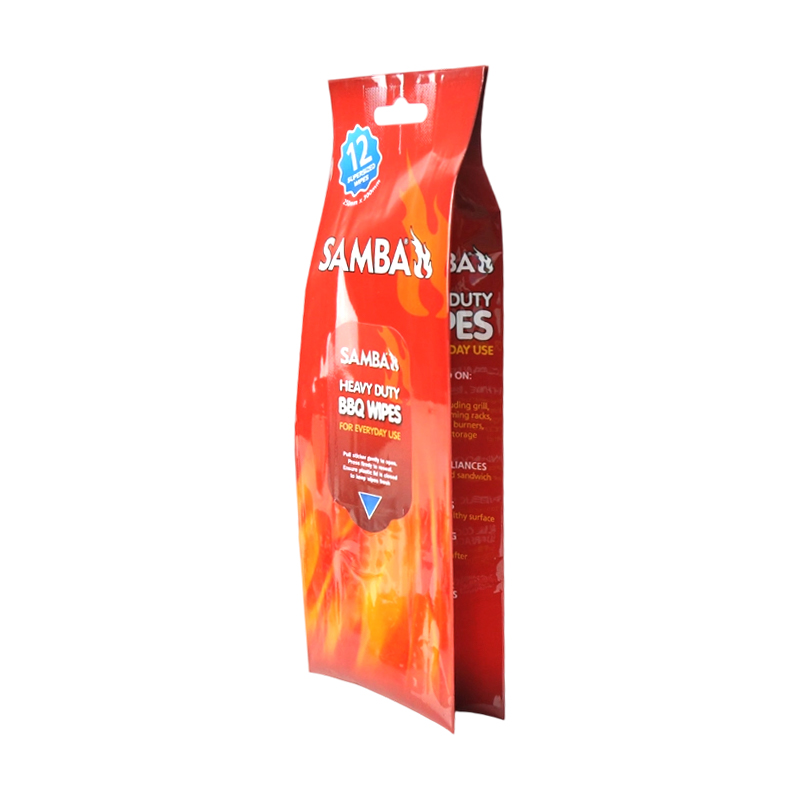
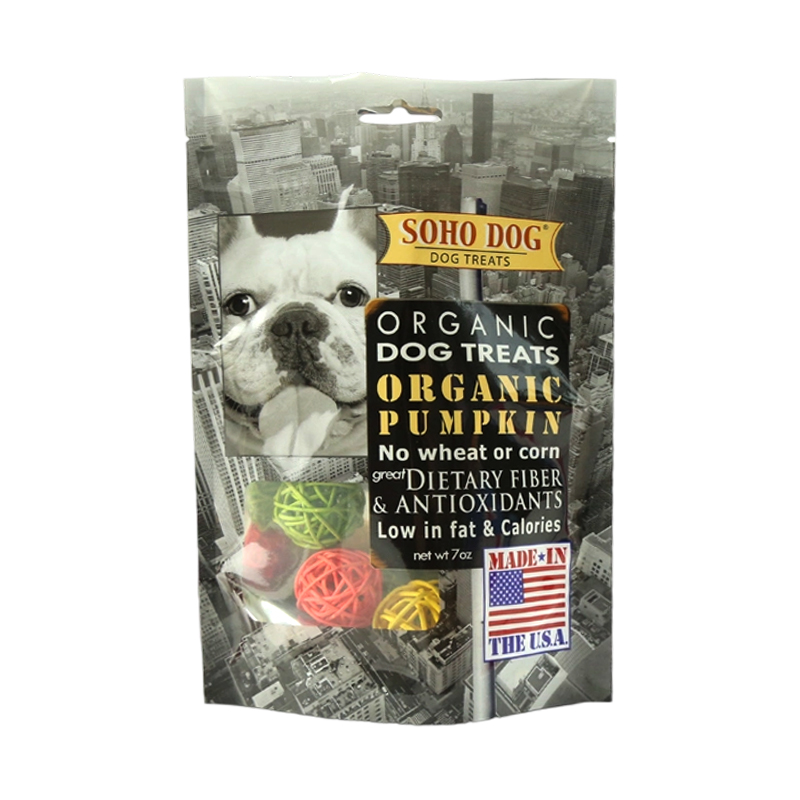
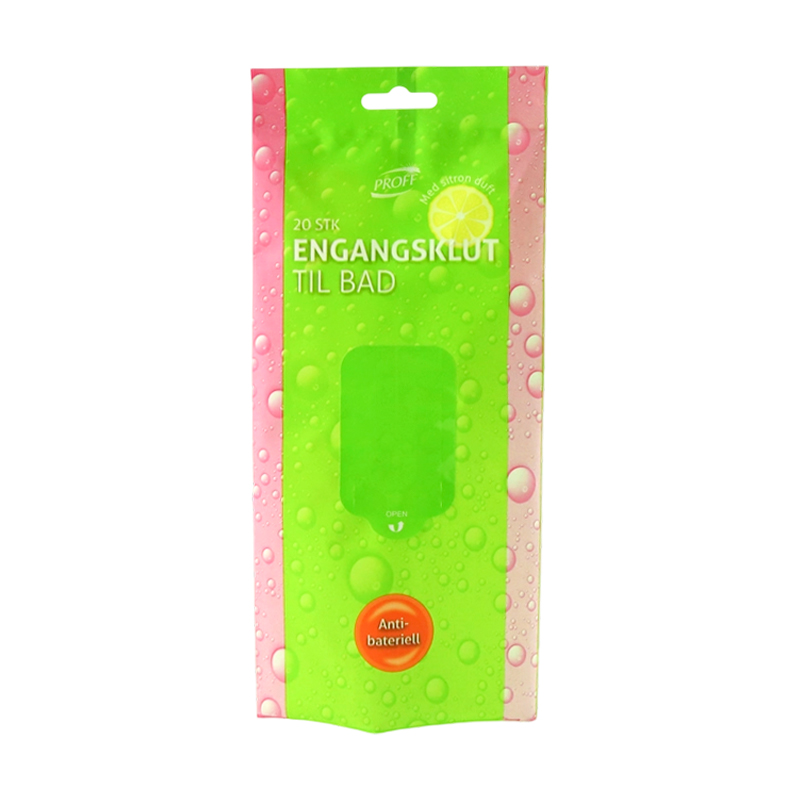
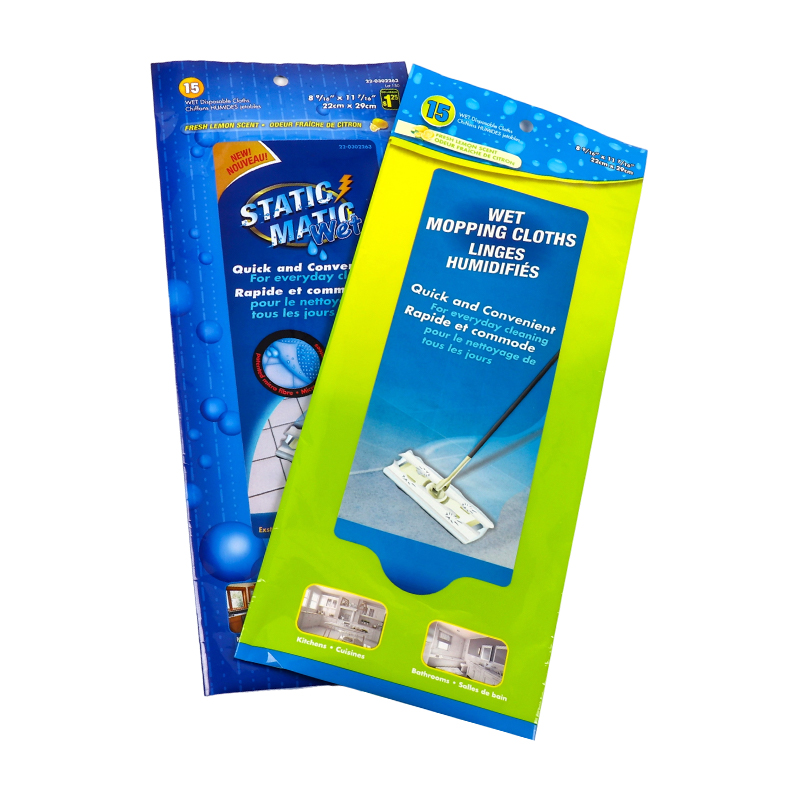
Flexible films are widely used for pouches, bags, wraps, sachets, and other packaging formats. Film extrusion can produce materials with specific thicknesses and mechanical properties.
Different polymer structures can be combined to create multilayer films. One layer may provide strength, another may support sealing, and another can improve barrier performance.
Printing can also be added to the outer surface, allowing packaging to display product information, graphics, and identification details without changing the basic structure.
A package needs a reliable closure system to keep its contents inside. Heat sealing is commonly used for flexible packaging because it can join compatible film layers along selected edges.
Sealing temperature, pressure, and dwell time can affect the finished seal. Packaging equipment needs to coordinate these factors according to material characteristics.
For hygienic packaging materials, the sealing area is particularly important because an incomplete or inconsistent seal can affect the overall package structure.
Some products are sensitive to moisture, oxygen, light, or external odors. Packaging designers may therefore select structures with specific barrier characteristics.
Multilayer films are one approach. Different layers can perform different functions within a single package. A protective layer can be combined with a printable outer surface and a heat-sealable inner layer.
This type of material engineering gives hygienic packaging materials greater flexibility across different product categories.
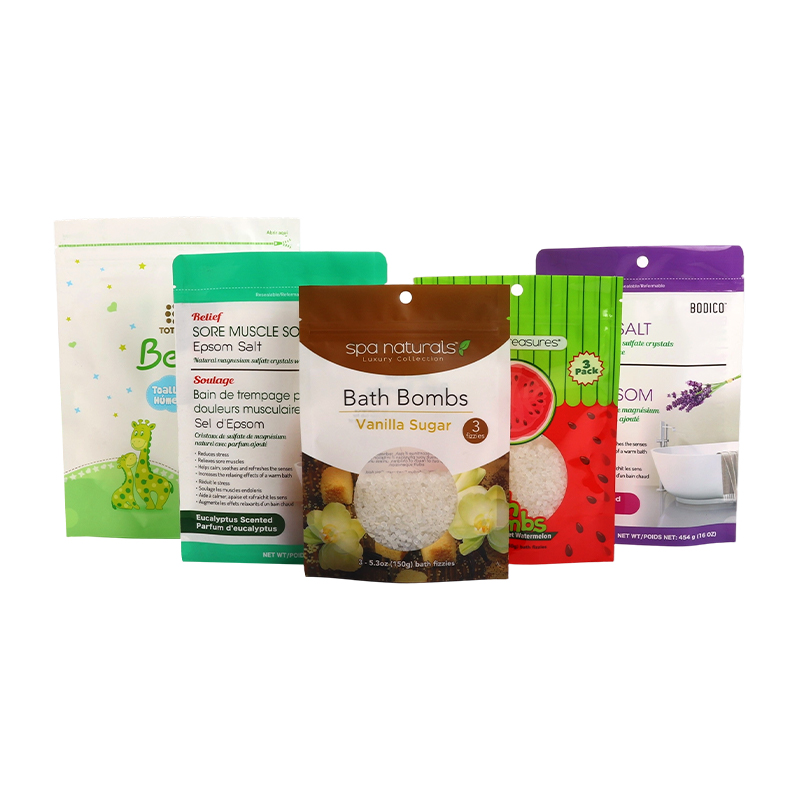
A hygienic package should also be practical for people who open, pour, squeeze, or reseal it. Easy-open notches, dispensing openings, zipper closures, and shaped grips are examples of design features used in modern packaging.
For example, a flexible pouch may include a resealable zipper for repeated use, whereas a bottle may use a threaded cap for controlled opening and closing.
Packaging designers need to balance material structure with the way consumers interact with the package.
Choosing hygienic packaging materials involves several technical factors. Material composition, thickness, sealing behavior, barrier properties, package shape, printing requirements, and filling equipment all need to match the intended application.
A well-planned packaging structure can make production easier and provide a suitable balance between protection, appearance, handling, and convenience. As packaging formats become more varied, material engineering continues to play an important role in how products are packed and presented.
Recommended Products
CONTACT US
Add: Rooms 101 and 102, Building 16, Longcheng Micro-Entrepreneurship Park, Longgang City, Wenzhou City, Zhejiang Province, China
TEL: +86-13395775085
E-mail: [email protected] / [email protected]
KEEP In Touch


 English
 русский
 Español