2026-08-14
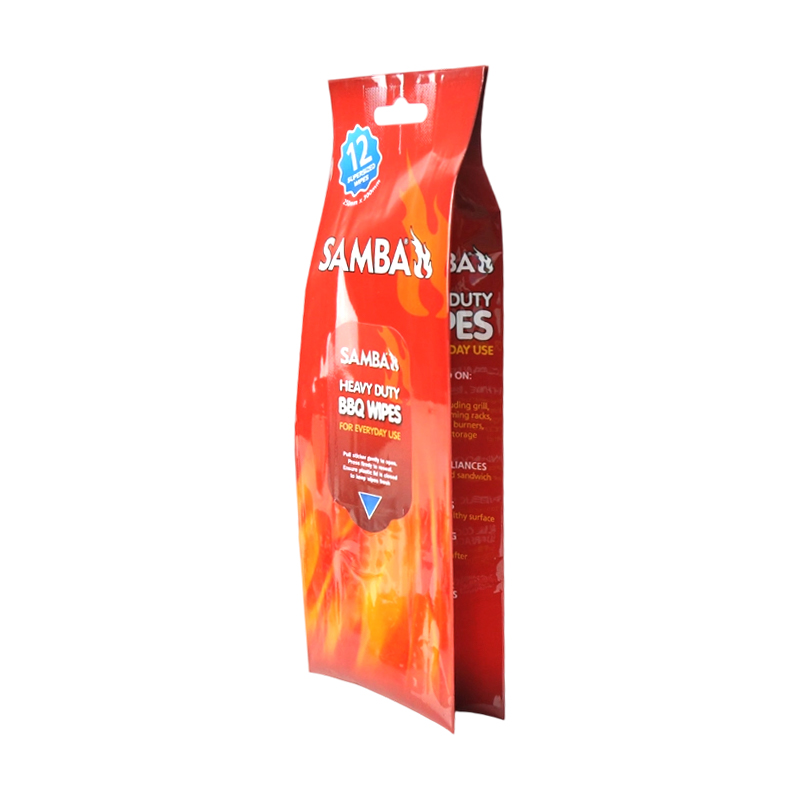
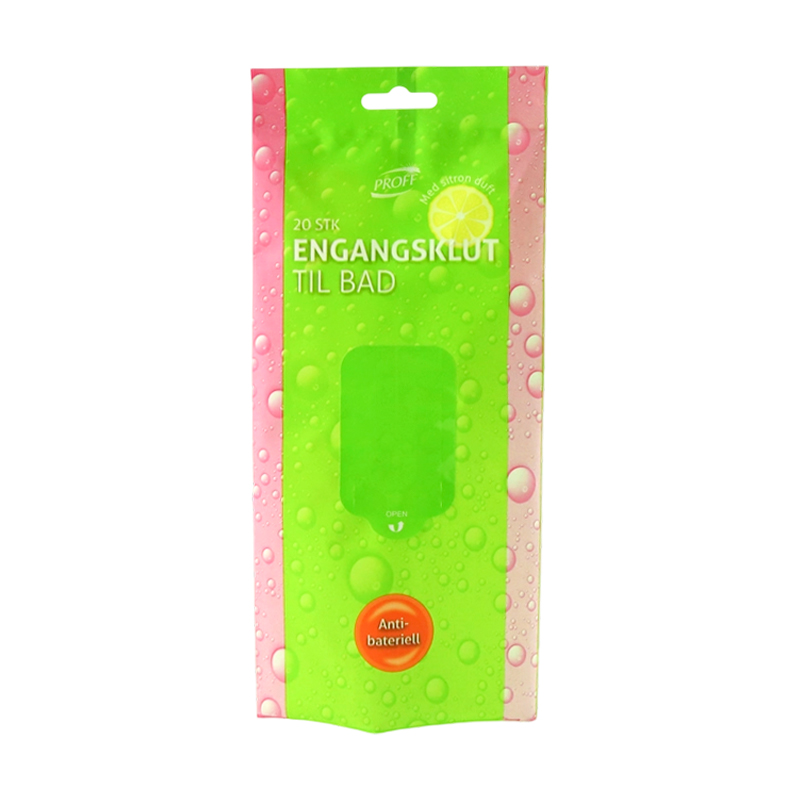
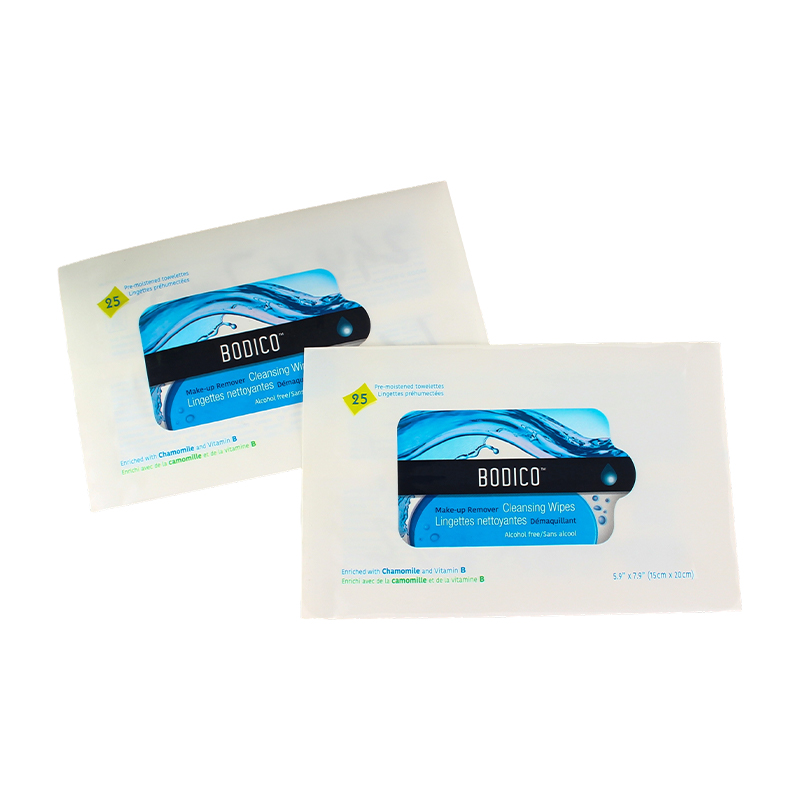
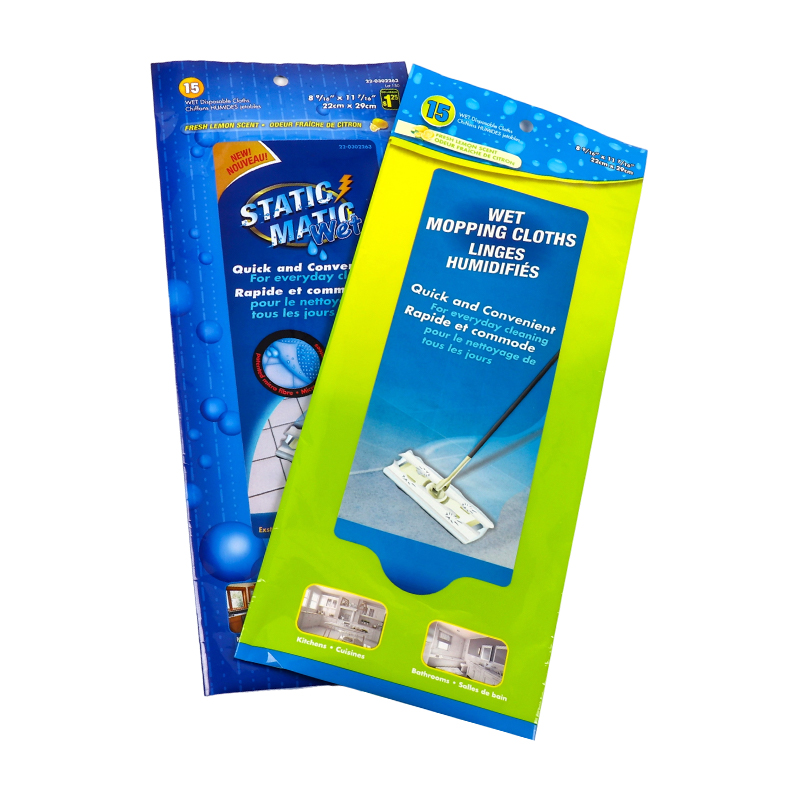
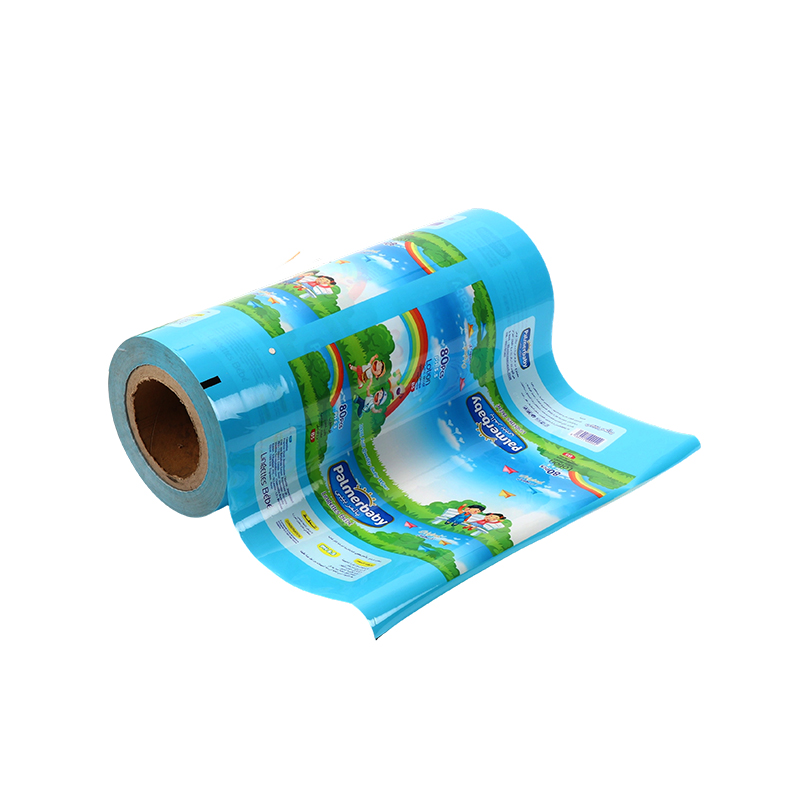
Wet wipes packaging film rolls are built from layered materials, usually combining a few types of plastic film through a lamination process. Each layer plays a different role. One layer might handle the barrier against moisture loss, another adds strength so the pouch doesn't tear during transport, and a printed layer carries the branding and product information. Put together, these layers form a single roll of film that gets fed into packing machines and shaped into pouches, flow wraps, or canister liners.
Buyers sourcing this kind of film are usually looking at a few core properties: how well it seals, how it handles repeated opening and closing if there's a resealable strip, and whether it holds up under different climates during shipping and storage. A roll that performs well in a dry warehouse might behave differently in a humid port, so manufacturers often test moisture barrier performance under varied conditions before locking in a supply order.
Film rolls for wet wipes typically fall into a handful of structures. Some are simple two-layer laminates, while others use three or more layers for added strength and barrier protection. The thickness matters too — thicker films resist puncture better but add cost and weight, while thinner films save on material but need careful handling during machine feeding to avoid wrinkling or tearing.
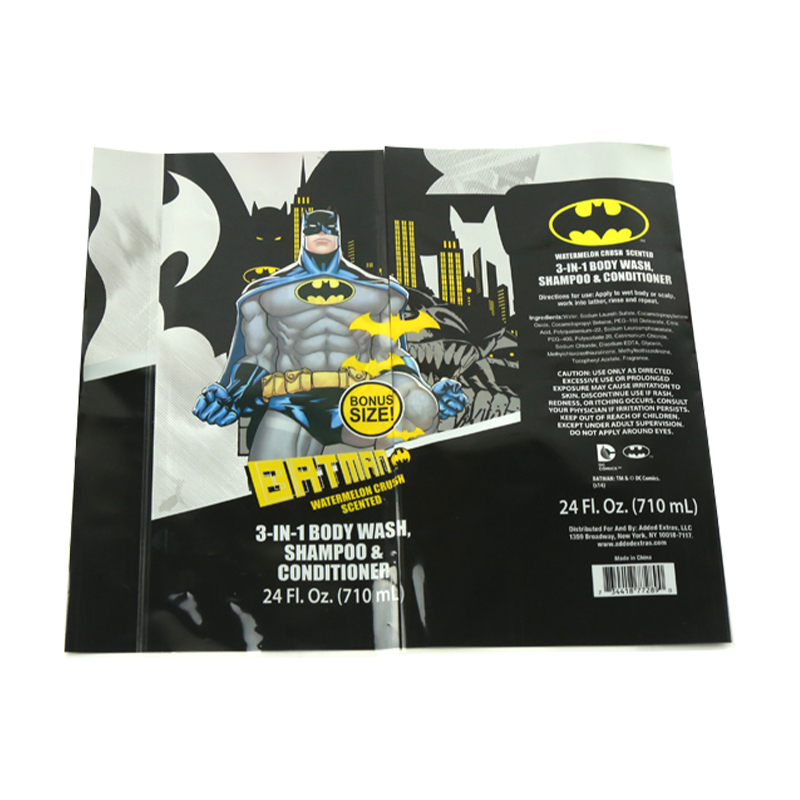
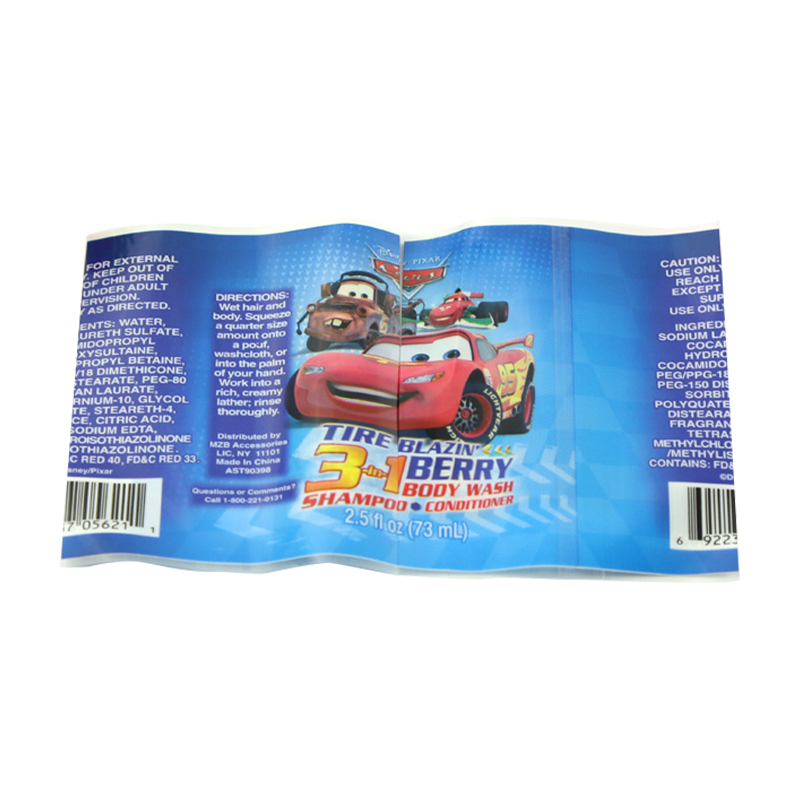
Print quality is another consideration buyers raise often. Since the film doubles as the outer packaging that consumers see, the printed surface needs to hold color well and resist fading or smudging. Gravure printing is common for this kind of film because it produces sharp detail and consistent color across long production runs, which matters when a single roll might need to cover tens of thousands of finished packs.
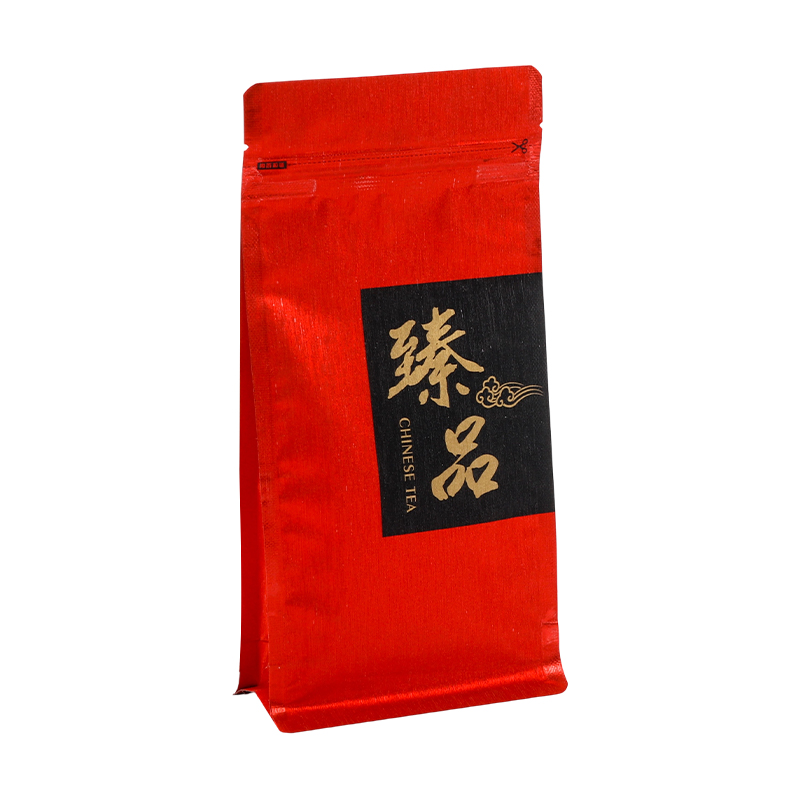
Not every film roll works with every packing line. Pillow pack machines, flat-bottom pouch machines, and canister sealing equipment each have different tension, temperature, and feeding requirements. A film that's slightly too stiff might jam on one machine but run fine on another. This is why buyers often share their equipment specifications when requesting samples, so the film supplier can confirm compatibility before a bulk order goes ahead.
Width and roll diameter also factor into this. Packing lines are set up for specific film widths, and mismatched dimensions can slow down changeovers or require additional slitting work. Suppliers who can offer flexible roll widths tend to make life easier for buyers running multiple product lines with different pack sizes.
Wet wipes lose their point entirely if the liquid inside evaporates before the product reaches the end user. That's the core reason barrier performance sits at the center of most sourcing conversations. A film with weak moisture retention might look fine on a test roll but fail after a few weeks in storage, especially if pallets sit in a warehouse without climate control.
Some buyers request accelerated aging tests on wet wipes packaging film roll samples, where sample pouches are exposed to heat and humidity over a shortened timeframe to simulate months of shelf life. This gives a rough sense of how the wet wipes packaging film roll will perform without waiting out the full storage period. It's not a perfect substitute for real-world results, but it helps narrow down which film structures are worth pursuing further.
Recommended Products
CONTACT US
Add: Rooms 101 and 102, Building 16, Longcheng Micro-Entrepreneurship Park, Longgang City, Wenzhou City, Zhejiang Province, China
TEL: +86-13395775085
E-mail: [email protected] / [email protected]
KEEP In Touch


 English
 русский
 Español