2026-03-20
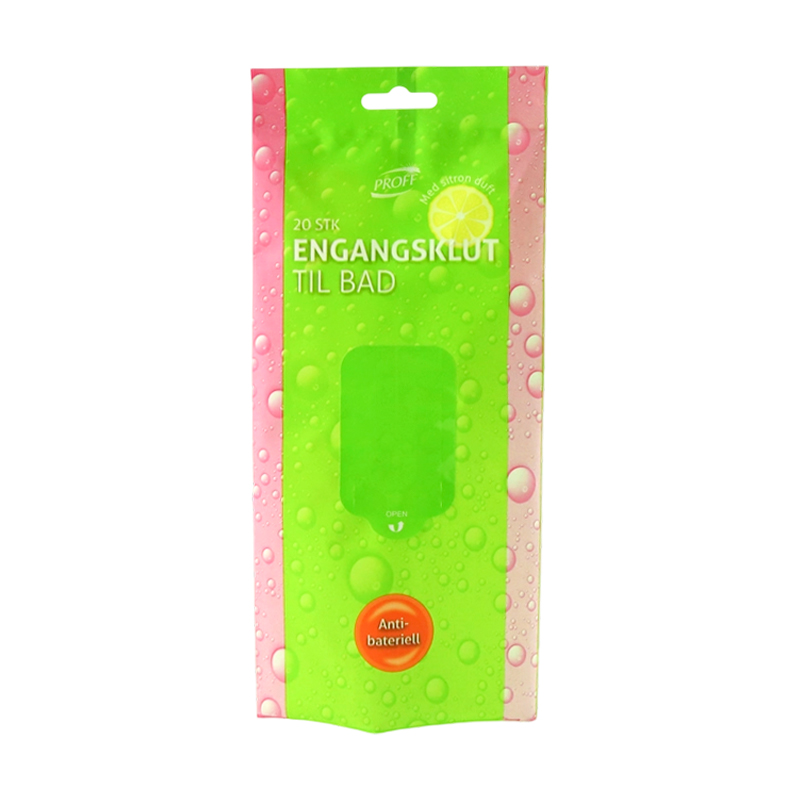
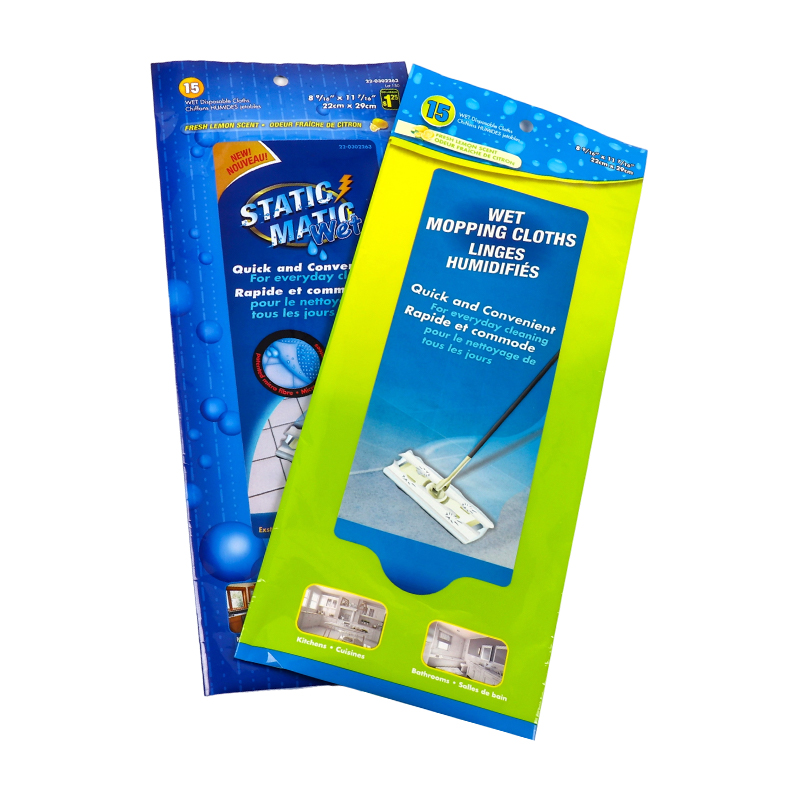
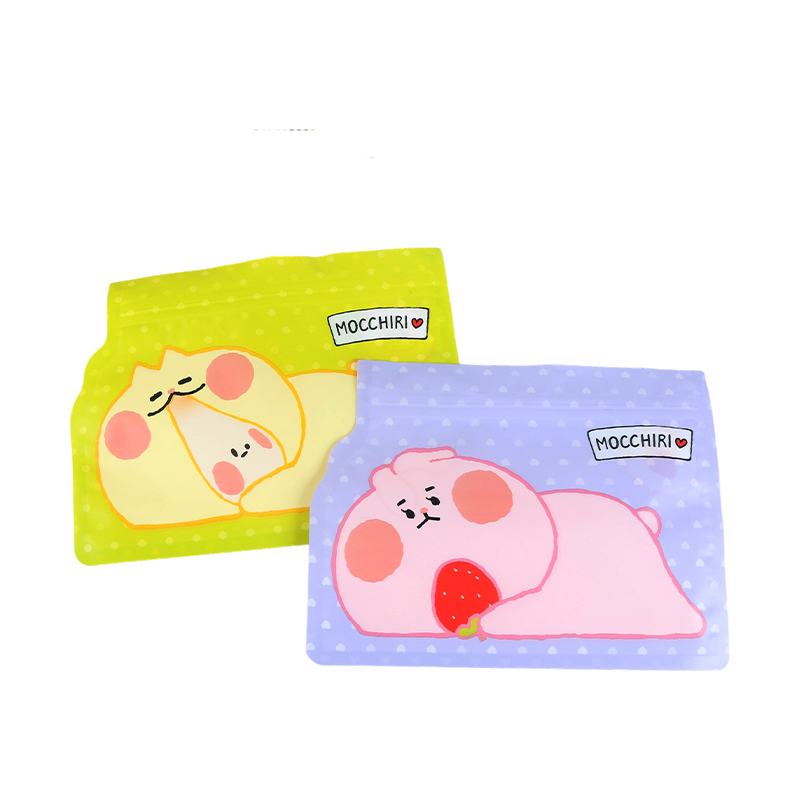
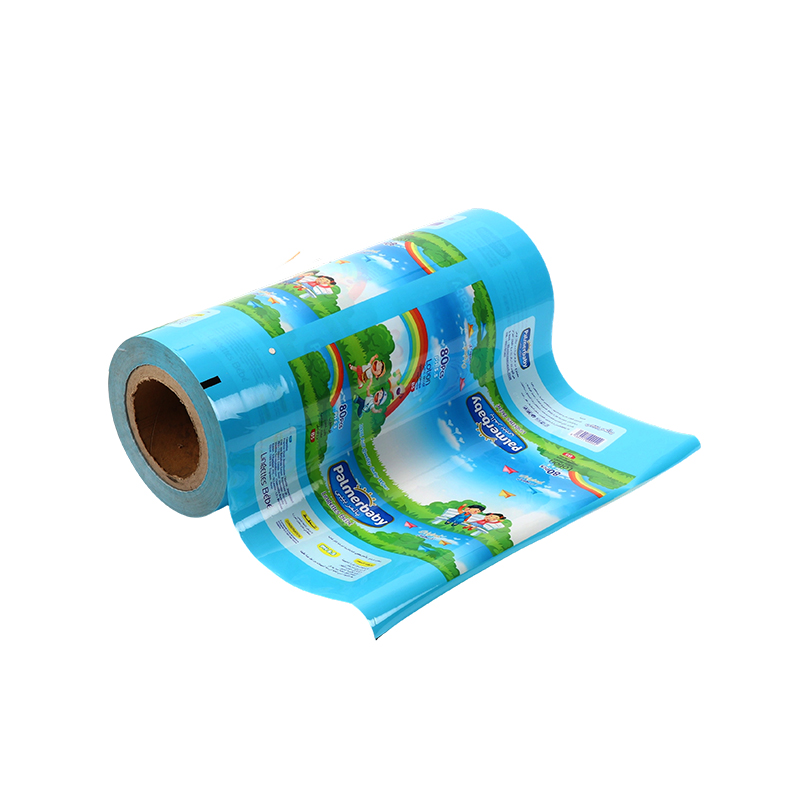
Hygienic packaging materials have become an essential focus across food processing, pharmaceutical production, personal care manufacturing, and healthcare distribution. Hygienic packaging materials are no longer viewed as simple protective layers; they are integrated systems designed to maintain cleanliness standards and extend product usability.
In the food sector, hygienic packaging materials help prevent exposure to moisture, oxygen, and microorganisms. Flexible films, sterile pouches, and sealed containers are engineered to reduce contamination risks at every stage of the supply chain. Demand has increased not only for packaged fresh foods but also for ready-to-eat meals and takeaway products. This shift in consumption patterns encourages manufacturers to develop materials that support both hygiene and convenience.
Healthcare and pharmaceutical industries rely heavily on hygienic packaging materials for sterile environments. Medical devices, syringes, and diagnostic kits require packaging that resists microbial penetration. Advanced barrier films and controlled-environment sealing systems ensure that products remain secure until use.
Technological progress continues to influence the structure and performance of hygienic packaging materials. Multi-layer laminates combine polymers with specialized barrier coatings to improve resistance against bacteria and external contaminants. Antimicrobial additives are being tested to inhibit surface-level microbial growth, especially in high-contact packaging applications.
Automation in packaging lines also contributes to improved hygiene standards. Cleanroom-compatible equipment, contact-free filling systems, and automated sealing reduce human handling during production. Hygienic packaging materials designed for high-speed machinery must balance flexibility with structural stability. Engineers carefully adjust thickness, tensile strength, and seal integrity to ensure compatibility with modern packaging equipment.
Another growing area involves recyclable and biodegradable hygienic packaging materials. Environmental responsibility has become a central consideration in packaging design. Manufacturers are exploring mono-material structures that simplify recycling streams without compromising barrier performance. Although balancing hygiene and sustainability presents technical challenges, research continues to refine materials that address both priorities.
Smart packaging solutions are gradually entering the market. Indicators that monitor temperature exposure or detect seal damage enhance traceability and safety verification. These innovations demonstrate how hygienic packaging materials can integrate digital elements, adding another layer of protection and consumer reassurance.
The market outlook for hygienic packaging materials remains steady, supported by demographic trends and regulatory frameworks. Urbanization and expanding retail networks increase demand for packaged goods that travel long distances. Reliable hygienic packaging materials ensure that products maintain integrity throughout distribution channels.
E-commerce growth adds new considerations to packaging performance. Products ordered online must withstand handling stress during shipping. Hygienic packaging materials with strong seal performance and puncture resistance help reduce product returns and damage.
Industry collaboration plays a central role in ongoing development. Material scientists, packaging engineers, and regulatory specialists work together to address evolving safety requirements. Investment in research facilities and pilot testing supports continuous improvement in material composition and processing techniques.
Consumer trust remains closely linked to packaging transparency. Clear labeling, tamper-evident features, and secure closures strengthen confidence in product safety. Hygienic packaging materials therefore function not only as protective barriers but also as communication tools that signal reliability.
Hygienic packaging materials continue to evolve in response to shifting safety expectations, environmental discussions, and supply chain complexity. What once served primarily as a protective outer layer has developed into a carefully engineered system that supports contamination control, product stability, and consumer confidence. Ongoing advances in material science, automation, and smart monitoring technology are shaping packaging solutions that align with modern production standards and retail demands.
Recommended Products
CONTACT US
Add: Rooms 101 and 102, Building 16, Longcheng Micro-Entrepreneurship Park, Longgang City, Wenzhou City, Zhejiang Province, China
TEL: +86-13395775085
E-mail: [email protected] / [email protected]
KEEP In Touch


 English
 русский
 Español