2026-03-13
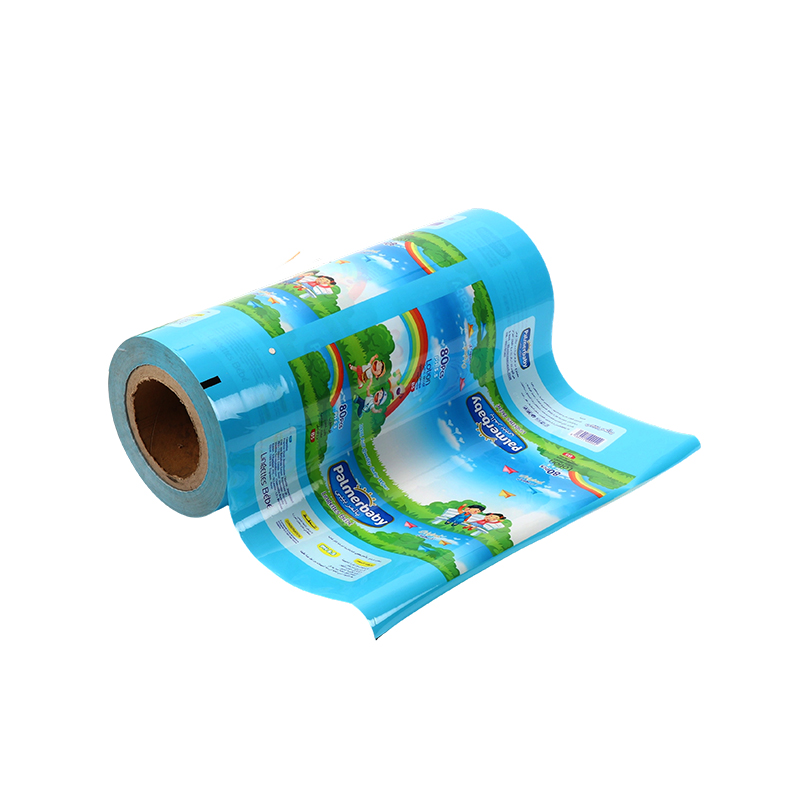
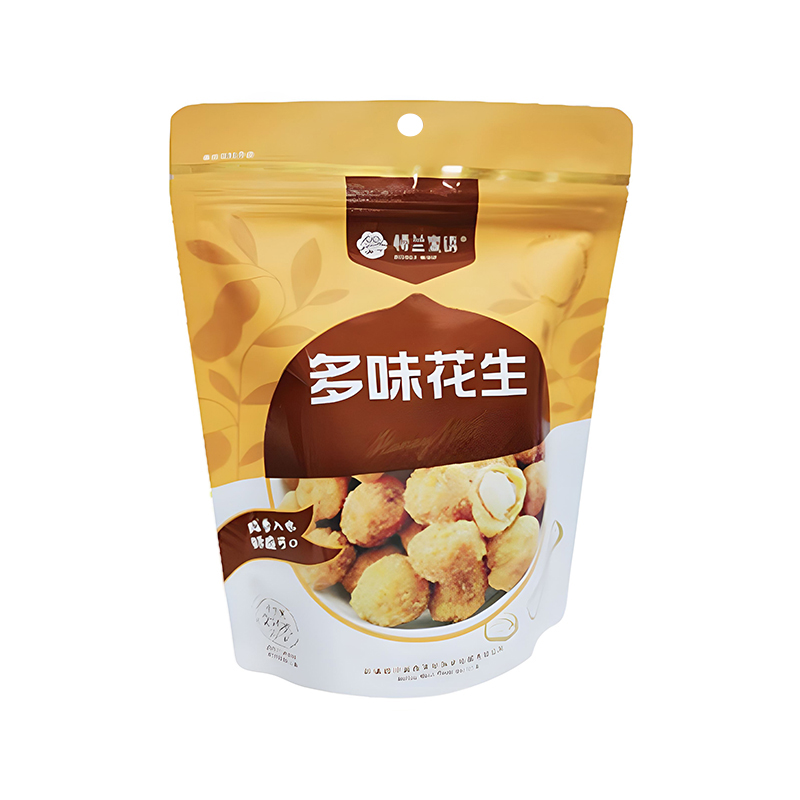
Food packaging bags play a central role in today’s food supply chain, connecting producers, retailers, and consumers across local and international markets. From dry snacks and frozen vegetables to grains and ready-to-eat meals, flexible bag formats offer practical solutions for storage, transportation, and display.
One driving factor in the market is food safety awareness. Consumers increasingly expect packaging that protects against contamination, moisture, and oxygen exposure. Multi-layer films combining different polymers are commonly used to create effective barrier properties. These structures help maintain product freshness, extend shelf life, and reduce food waste. Research and development teams are continuously adjusting film thickness and composition to align with specific product requirements, such as high-fat snacks or moisture-sensitive powders.
Convenience features have become increasingly important in influencing purchasing decisions. Resealable zippers, tear notches, and stand-up pouch formats improve user experience. Stand-up food packaging bags provide stable shelf presentation, allowing brands to maximize visibility in retail environments. Lightweight construction reduces transportation costs and supports e-commerce growth, where efficient shipping plays a critical role.
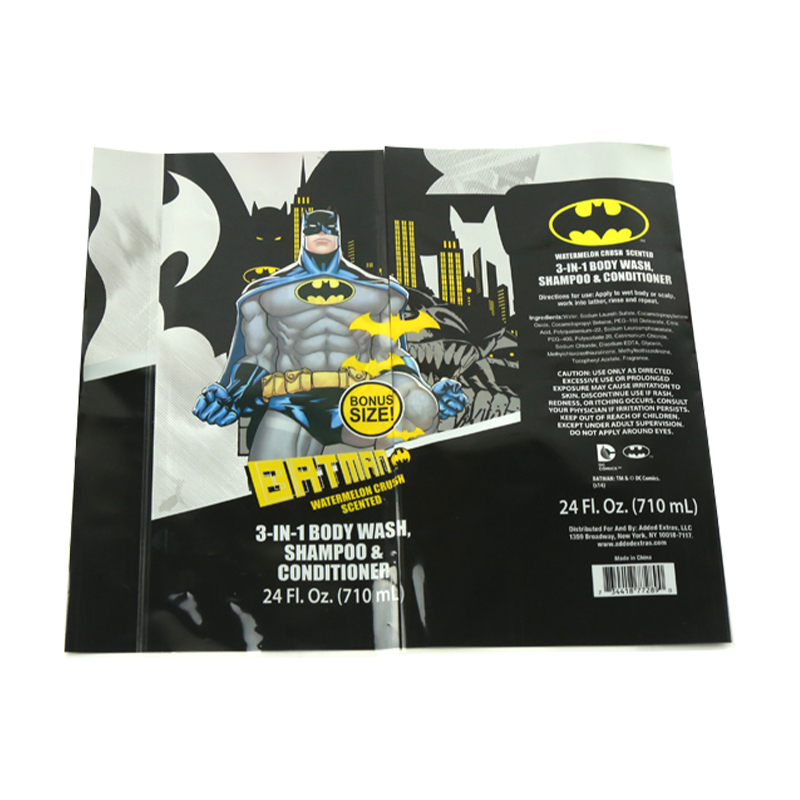
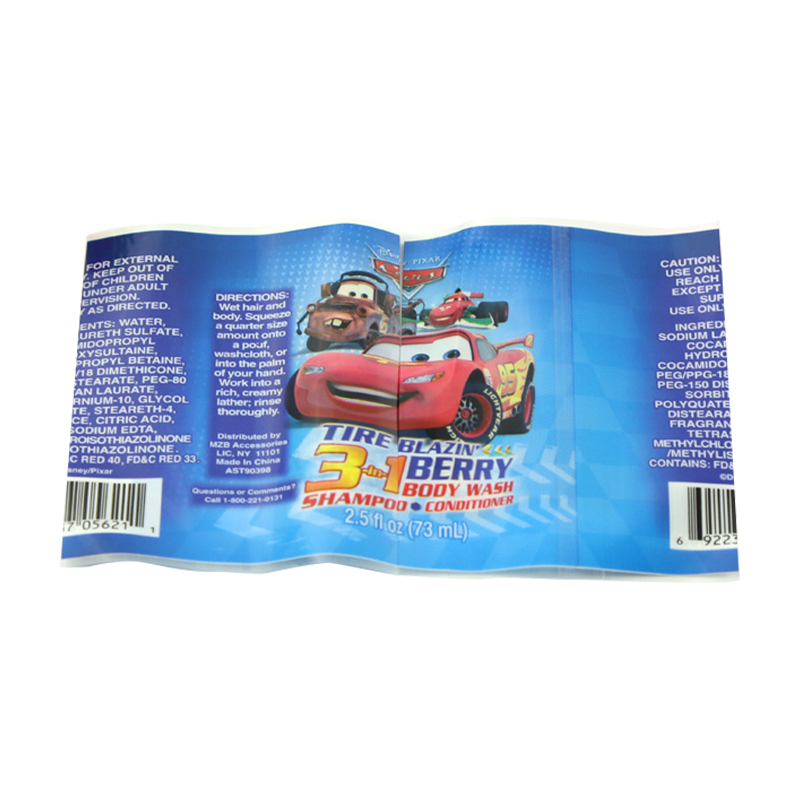
Digital printing technology is transforming how brands approach packaging design. Shorter production runs allow companies to test new flavors or limited-time products without committing to large quantities of pre-printed film. Customization options enable regional marketing campaigns and seasonal promotions. Vibrant graphics and clear nutritional labeling contribute to brand recognition and consumer confidence.
Global trade has further increased the importance of durable food packaging bags. Products transported across long distances must withstand variations in temperature and humidity. Packaging engineers conduct stress tests to evaluate seal integrity and puncture resistance. Improved sealing techniques reduce the risk of leaks, which is particularly important for liquid or semi-liquid foods such as sauces and soups.
Automation in manufacturing facilities supports consistent quality control. Advanced extrusion and lamination processes produce films with uniform thickness and reliable barrier properties. Automated inspection systems detect defects during production, minimizing waste and enhancing overall efficiency. Data-driven production management allows manufacturers to track performance indicators and adjust processes accordingly.
Changing consumer lifestyles also influence packaging size and format. Smaller households and single-person living arrangements have increased demand for portion-controlled packaging. Single-serve food packaging bags reduce food waste and cater to busy schedules. At the same time, family-sized packs remain popular in wholesale and bulk retail environments, demonstrating the need for diverse product ranges.
Environmental discussions increasingly focus on the full life cycle of food packaging bags. Companies are evaluating not only material selection but also energy consumption during production and transportation. Lightweight flexible packaging often requires fewer raw materials compared to rigid alternatives, contributing to resource efficiency. Industry collaboration and research partnerships aim to improve recycling infrastructure and consumer awareness.
E-commerce growth has introduced additional considerations. Packaging must protect food products during home delivery, where parcels may experience handling stress. Flexible bags designed for durability help minimize product damage and returns. Clear product information displayed on packaging also assists consumers who purchase groceries online.
In a market shaped by health awareness, retail competition, and environmental responsibility, food packaging bags remain a dynamic component of the modern food industry. Continuous material innovation and thoughtful design strategies suggest steady progress toward packaging systems that support safety, convenience, and resource efficiency without compromising product quality.
Recommended Products
CONTACT US
Add: Rooms 101 and 102, Building 16, Longcheng Micro-Entrepreneurship Park, Longgang City, Wenzhou City, Zhejiang Province, China
TEL: +86-13395775085
E-mail: [email protected] / [email protected]
KEEP In Touch


 English
 русский
 Español