2026-10-16
Packaging materials vary according to their composition and intended application. Plastic films, rigid containers, paper-based structures, and multilayer laminates may all serve different packaging purposes.
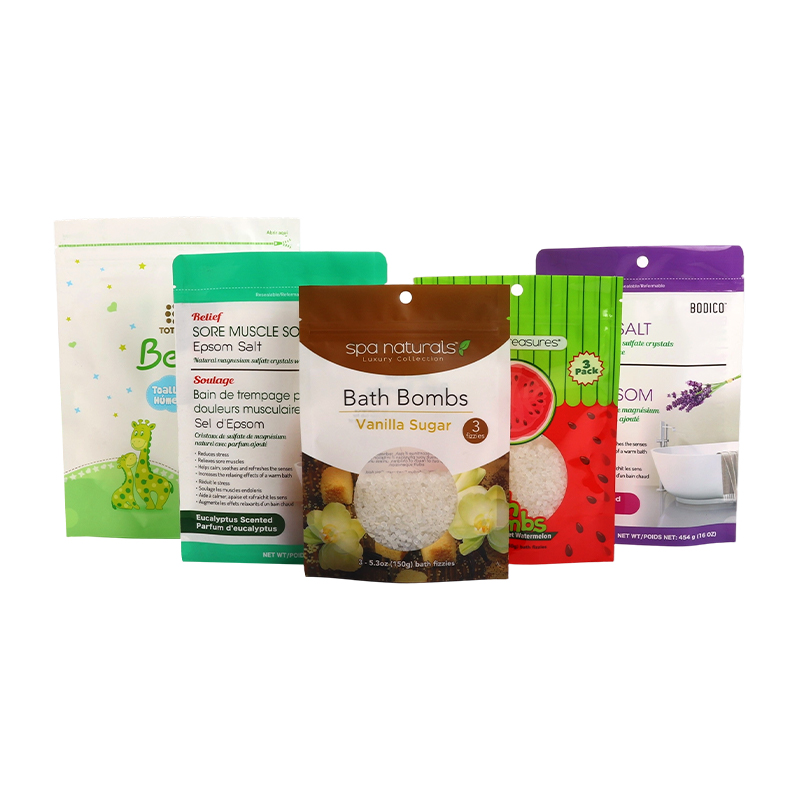
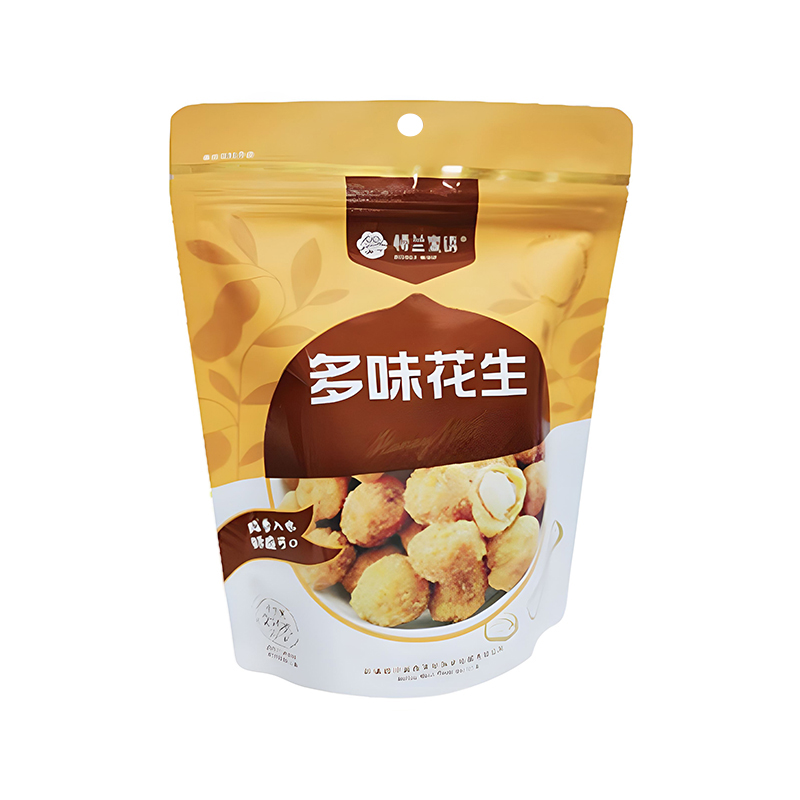
Flexible films are used for pouches, sachets, and bags because they can be formed into different package shapes. Rigid plastic containers provide a defined structure for products that require a container with a particular shape. Paper-based materials and composite structures may be used where their physical properties suit the packaging design.
For Hygienic packaging materials, product compatibility is an important starting point. The material must be appropriate for the substance it contains and the conditions under which the package will be filled, stored, and distributed.
Moisture sensitivity, oil content, acidity, temperature, and the required barrier properties can influence material selection. A package designed for dry powder may have different requirements from one intended for liquid personal care products.
Manufacturers therefore need to evaluate the complete packaging structure rather than choosing a material based on appearance alone.
Some products need packaging that limits exposure to moisture, oxygen, light, or external odors. The required level of protection varies according to the product's composition and intended storage conditions.
For example, dry food ingredients may require moisture control to help preserve their expected texture. Certain personal care formulations may need packaging that limits contact with external substances. Other products may require a structure that helps maintain their characteristics during distribution.
Different films and laminates provide different barrier properties. These characteristics depend on the individual layers, material thickness, package construction, and sealing quality.
Hygienic packaging materials should therefore be selected according to the specific barrier requirements of the contents. A multilayer structure may combine several functions, such as mechanical strength, sealability, and resistance to moisture transmission.
The packaging specification should describe these requirements clearly so that material selection can be linked to the product's actual needs.
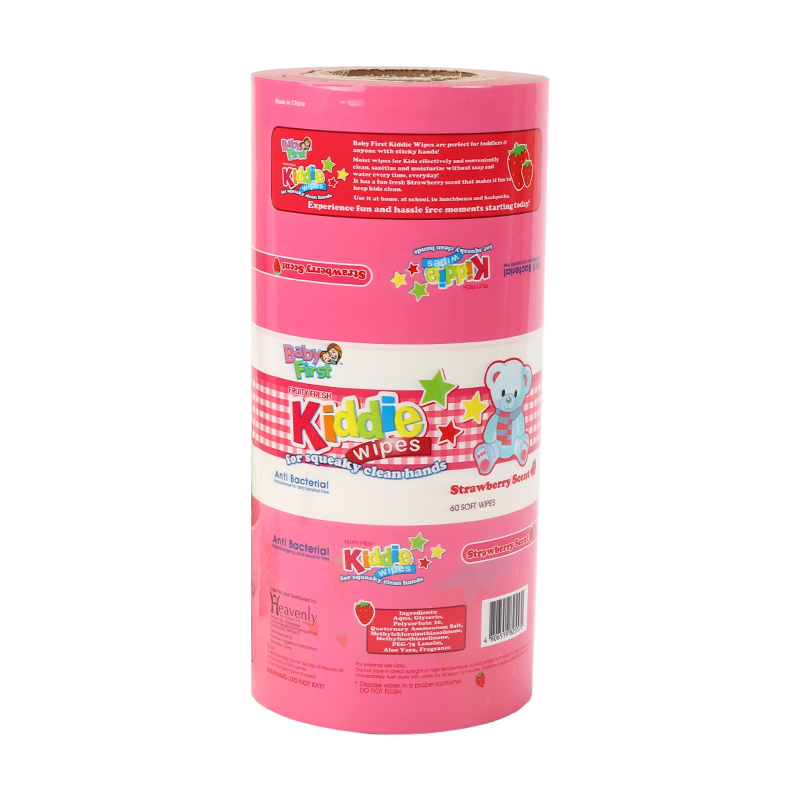
Packaging format affects how materials move through a manufacturing facility. Rollstock film may be used on automated form-fill-seal equipment, while preformed pouches and bags suit different filling arrangements. Rigid containers require compatible feeding, filling, and closing systems.
Each format creates different handling requirements. Film width, roll dimensions, material thickness, pouch shape, and sealing areas may affect equipment compatibility and production scheduling.
When introducing Hygienic packaging materials into an existing line, manufacturers should confirm that the material specifications match the equipment's operating range. This can help reduce format-related issues during production planning.
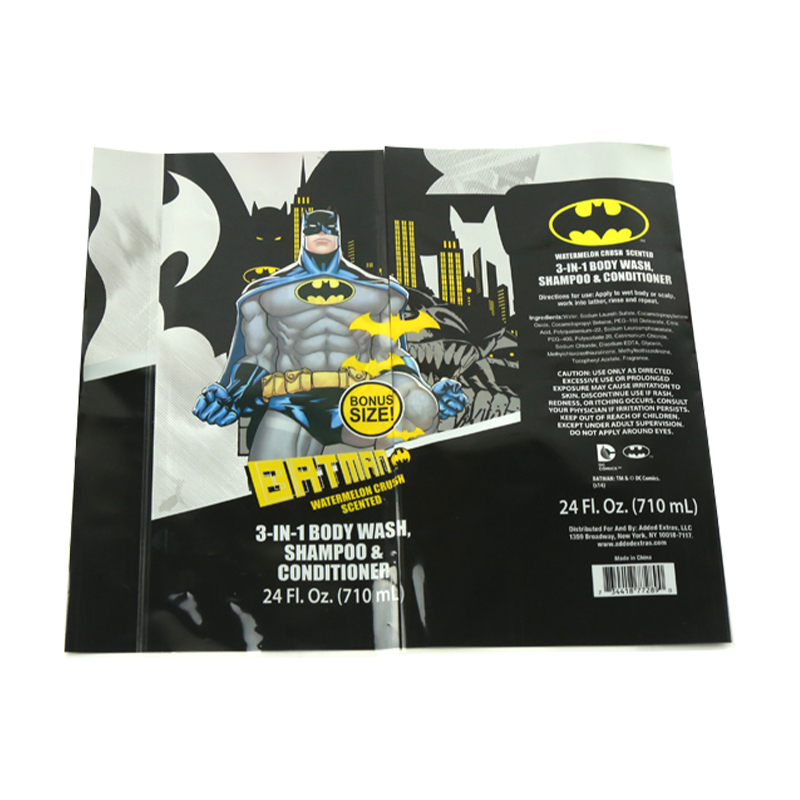
Packaging suppliers and machinery teams may also need to coordinate details such as roll direction, core dimensions, print registration, and seal placement. These factors are especially relevant when packaging is supplied in customized formats.
Food manufacturers, personal care brands, medical supply businesses, and industrial producers do not share identical packaging needs. Even within one sector, the required structure can vary between liquids, powders, creams, solid products, and individual components.
A food ingredient producer may prioritize moisture barriers and reliable seals. A personal care manufacturer may focus on dispensing convenience and compatibility with a particular formulation. A supplier of healthcare consumables may need packaging formats that suit individual items or grouped products.
These differences explain why Hygienic packaging materials should be evaluated in relation to product characteristics, filling operations, and distribution conditions.
A clearly defined packaging specification helps connect material choice with package structure, equipment compatibility, and the way the finished product will be handled.
Recommended Products
CONTACT US
Add: Rooms 101 and 102, Building 16, Longcheng Micro-Entrepreneurship Park, Longgang City, Wenzhou City, Zhejiang Province, China
TEL: +86-13395775085
E-mail: [email protected] / [email protected]
KEEP In Touch


 English
 русский
 Español