Home / News / Industry News / Revolutionizing Food Packaging: Technological Advancements and Consumer Demand
2025-10-24
Food packaging bags have undergone a significant transformation over the years, evolving from simple, functional containers to complex, high-tech solutions designed to meet the demands of modern consumers and the food industry. These bags, which are used to preserve freshness, improve shelf life, and ensure convenience, are now at the forefront of innovations in manufacturing, technology, and market trends.
The demand for more efficient, durable and versatile packaging solutions has driven significant advancements in food packaging bag manufacturing . Traditionally, food packaging was limited to basic materials like paper, plastic, and foil. Today’s food packaging bags are often multi-layered, combining materials such as polyethylene, polypropylene, and even metalized films. These materials provide a perfect balance of strength, flexibility, and barrier properties, allowing them to protect food from contaminants, moisture, and air, which can lead to spoilage or loss of flavor. The development of advanced printing technologies has also allowed manufacturers to create high-quality, eye-catching designs on packaging bags, enabling brands to stand out in an increasingly competitive market.
One of the most significant developments in food packaging bag manufacturing has been the adoption of automation and digital technologies. Automated production lines are now capable of producing large volumes of packaging with incredible speed and precision, reducing production costs and increasing efficiency.
The integration of digital printing technologies has made it possible to customize packaging bags in ways that were previously unattainable.Brands can now easily create short runs of packaging with variable designs and logos, catering to specific market segments or seasonal demands. This has helped food manufacturers streamline their operations while providing consumers with more tailored products.
The technological advancements in food packaging bags also extend to the bags’ functionality. Over the years, packaging bags have become more sophisticated in terms of providing extended shelf life and protecting the integrity of food. For example, vacuum-sealed bags and modified atmosphere packaging (MAP) are increasingly used to keep perishable foods like meat, dairy, and produce fresher for longer periods. These technologies involve altering the composition of gases inside the bag to slow down the natural decay process of the food.
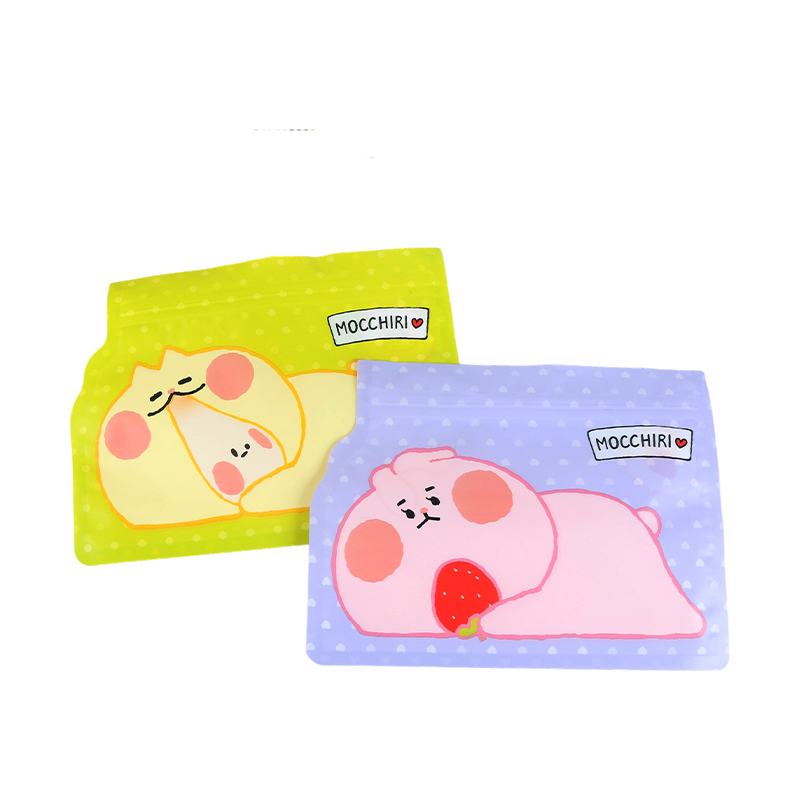
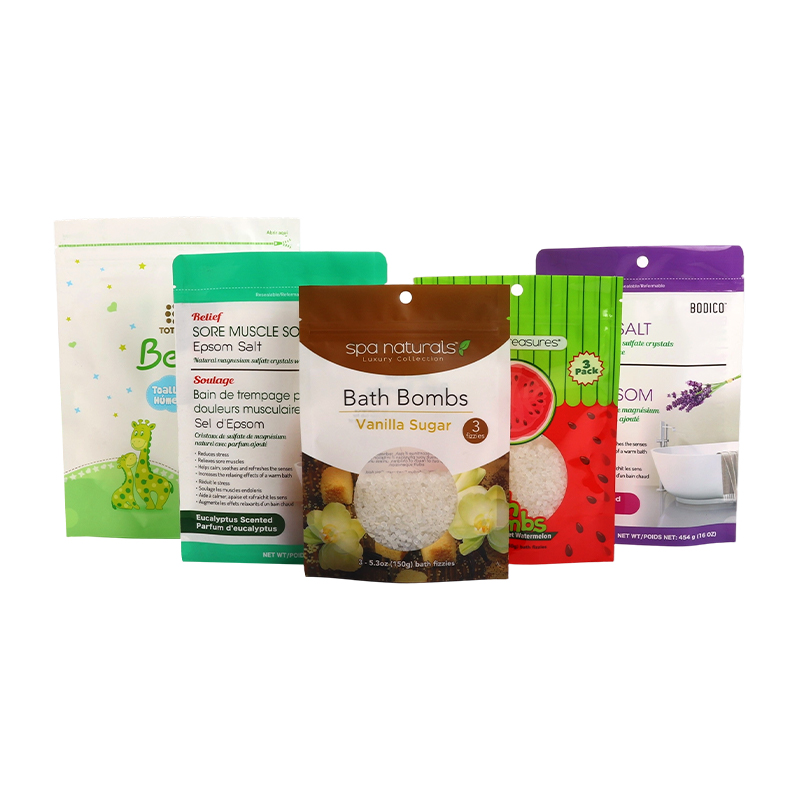
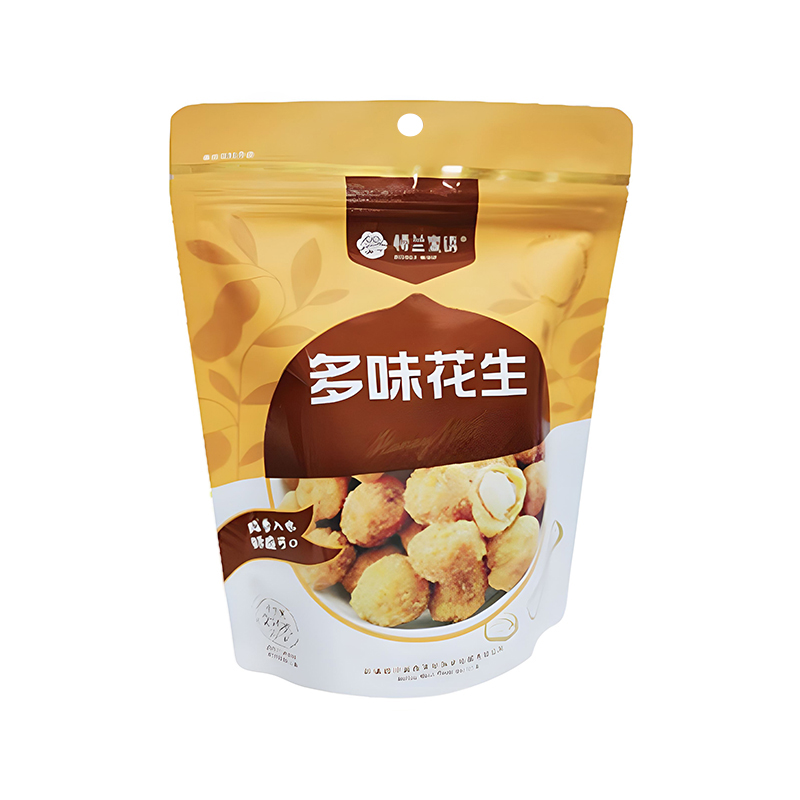
Consumer preferences for convenience, portability, and easy storage are influencing the types of packaging bags that are in demand. Stand-up pouches, for example, have become increasingly popular due to their space-saving qualities and ease of use. These bags are not only practical for consumers but also allow food manufacturers to maximize shelf space in retail environments. Similarly, resealable packaging options have been on the rise, giving consumers the ability to open and close bags multiple times without compromising the food's freshness.
In conclusion, food packaging bags have come a long way from their early, basic forms. Advances in manufacturing, technology, and market demands have driven the development of packaging solutions that not only meet the needs of the food industry but also improve consumer convenience and product longevity. Technological advancements and changing consumer preferences promise a bright future for food packaging bags, with innovations set to transform how food is packaged, stored, and consumed worldwide.
Recommended Products
CONTACT US
Add: Rooms 101 and 102, Building 16, Longcheng Micro-Entrepreneurship Park, Longgang City, Wenzhou City, Zhejiang Province, China
TEL: +86-13395775085
E-mail: [email protected] / [email protected]
KEEP In Touch


 English
 русский
 Español