2026-04-24
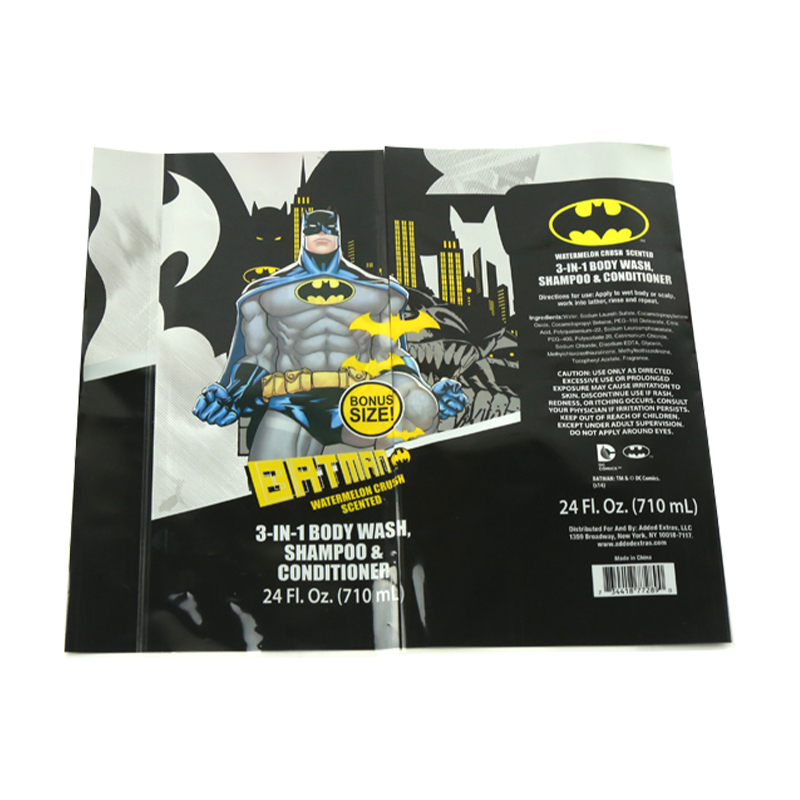
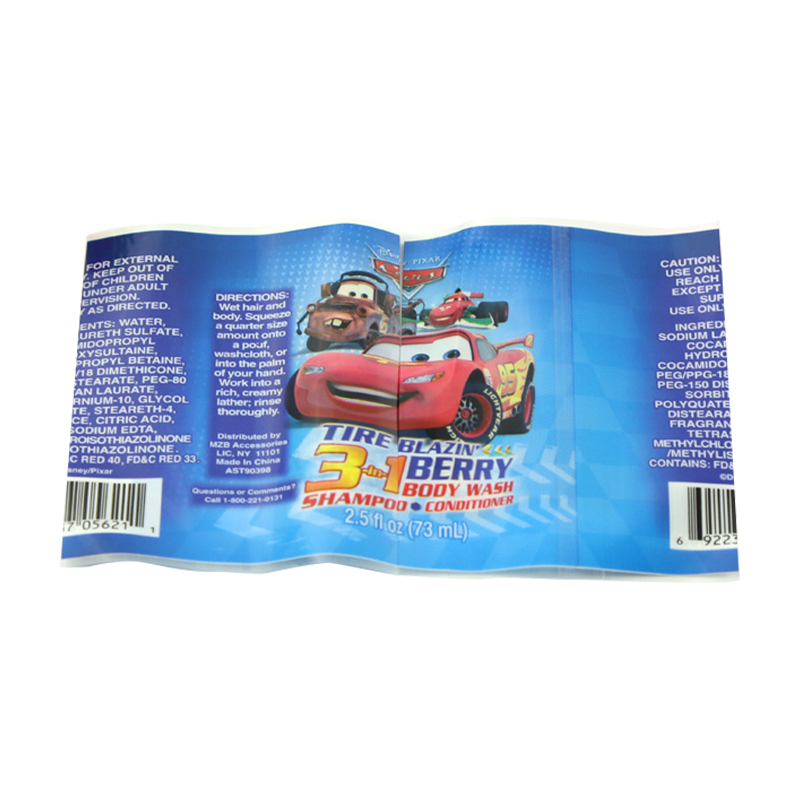
If you’ve ever picked up a beverage, sauce bottle, or personal care item and noticed the label hugging every curve of its container, you’ve encountered shrink film labels. These unique labels are made from flexible polymer films that tighten around a container when exposed to heat, creating a snug and visually appealing layer of graphics and information around the product. Shrink film labels wrap around shapes, making them a handy choice for products that don’t fit the classic cylindrical mold.
Shrink film labels are also sometimes called shrink sleeves because they start as loose tubes of printed film. When the sleeve is placed over a container and heat is applied—often through hot air, steam, or infrared—the film contracts until it conforms tightly to the surface underneath. This process turns a plain container into a fully wrapped object with vibrant visuals from nearly every viewing angle. They give products a polished look that blends artwork, text, and structural form in a way that flat labels simply can’t.
Shrink film labels are not a one‑size‑fits‑all affair. One popular category delivers full‑body coverage, fully encircling a product with graphic art from top to bottom. These labels offer plenty of space for information, bright colors, and playful design elements that draw attention.
Another type covers only the middle portion of a container—leaving parts of the top or bottom untouched—when brands want a blend of wrapped design and exposed surface. Multi‑pack bands are another creative twist: a single piece of shrink film can group several products together for bundle packaging while still providing printed content and protection.
Film materials also vary, giving shrink film labels their flexibility and performance traits. Common materials include PVC and PET‑based films that respond well to heat, conforming tightly to rounded and contoured areas. Some films are formulated with a balance of transparency and clarity, while others are engineered to hold vibrant inks and graphics during the heating process.
The journey of a shrink film label starts long before it meets a bottle or jar. Designers first create artwork that takes into account how shrinkage might alter images after heat is applied. This forward thinking helps prevent distortion and keeps text legible and graphics appealing.
Once the design is finalized, it is printed onto flat film using industrial‑scale presses capable of rich colors and detailed imagery. After printing, the film is formed into a sleeve or tube and cut to size. This preparation stage sets up the label so it can be slipped smoothly onto a container.
Application involves placing the shrink film tube over the container, either by hand in small batches or via automated machinery in larger operations. Containers then move through a heating phase where controlled heat triggers the shrink effect. As the film contracts, it molds itself around every contour, much like fabric stretching to cover a complex object.
Once cooled, the label holds its tight shape. Graphic elements that were printed in advance now sit flush with the container, creating a cohesive visual story that links product design, branding, and function. The heat activation step is essential, turning a loosely fitted sleeve into a sleek and tailored finish.
Recommended Products
CONTACT US
Add: Rooms 101 and 102, Building 16, Longcheng Micro-Entrepreneurship Park, Longgang City, Wenzhou City, Zhejiang Province, China
TEL: +86-13395775085
E-mail: [email protected] / [email protected]
KEEP In Touch


 English
 русский
 Español