2026-04-17
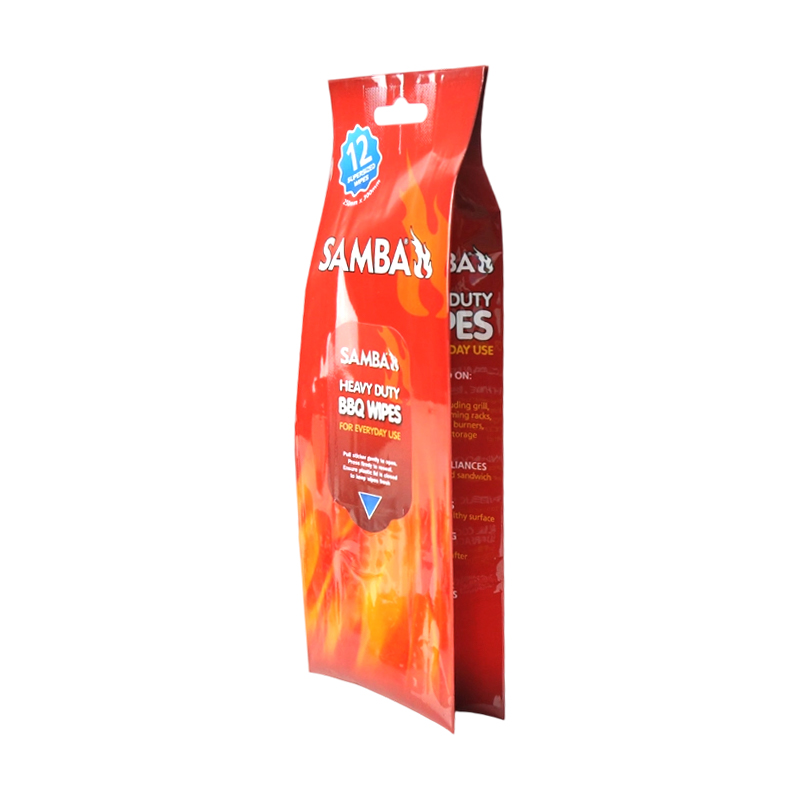
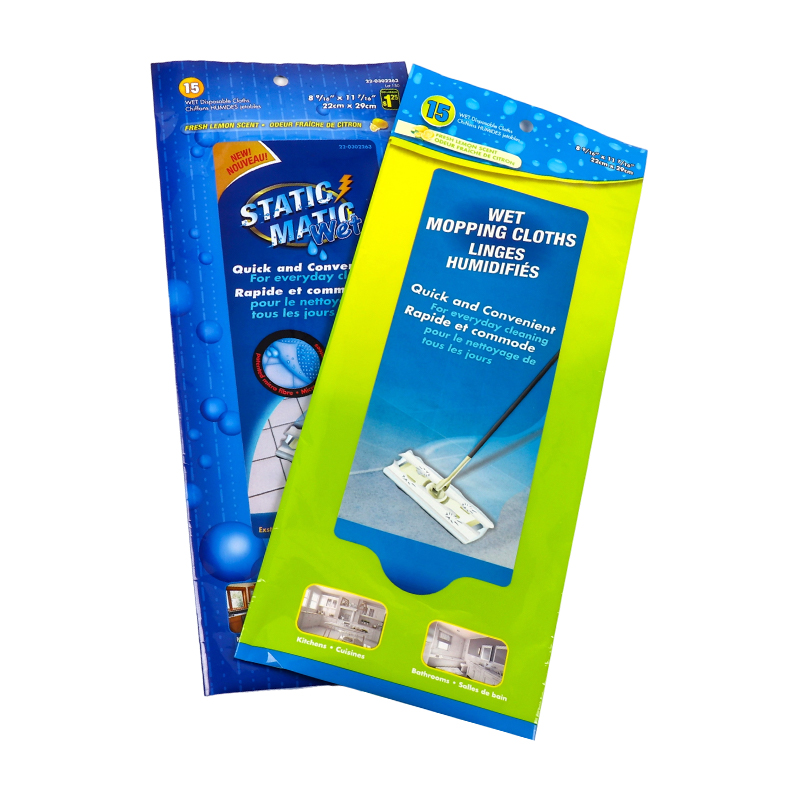
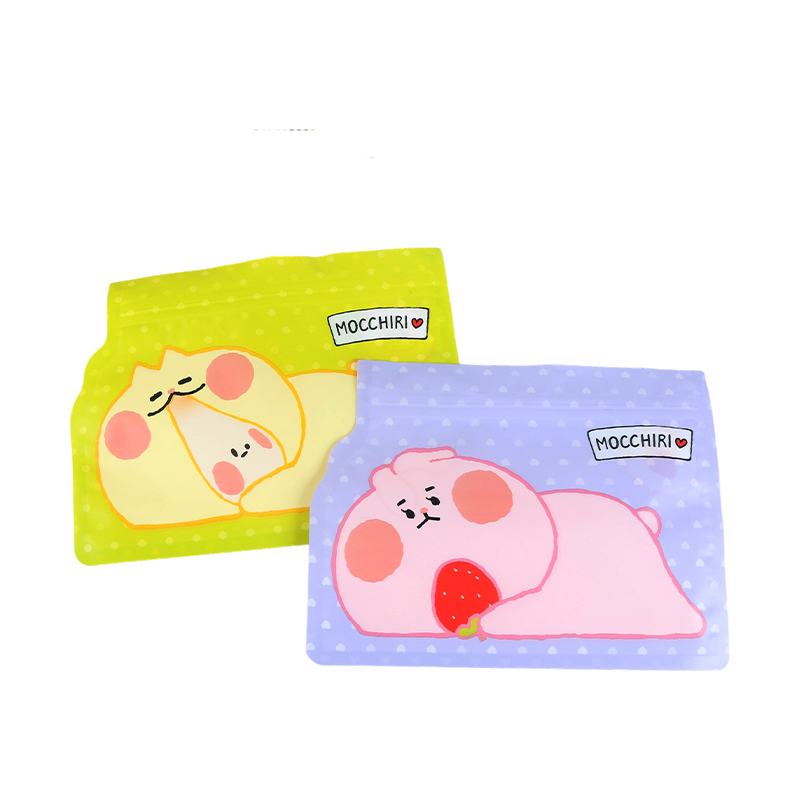
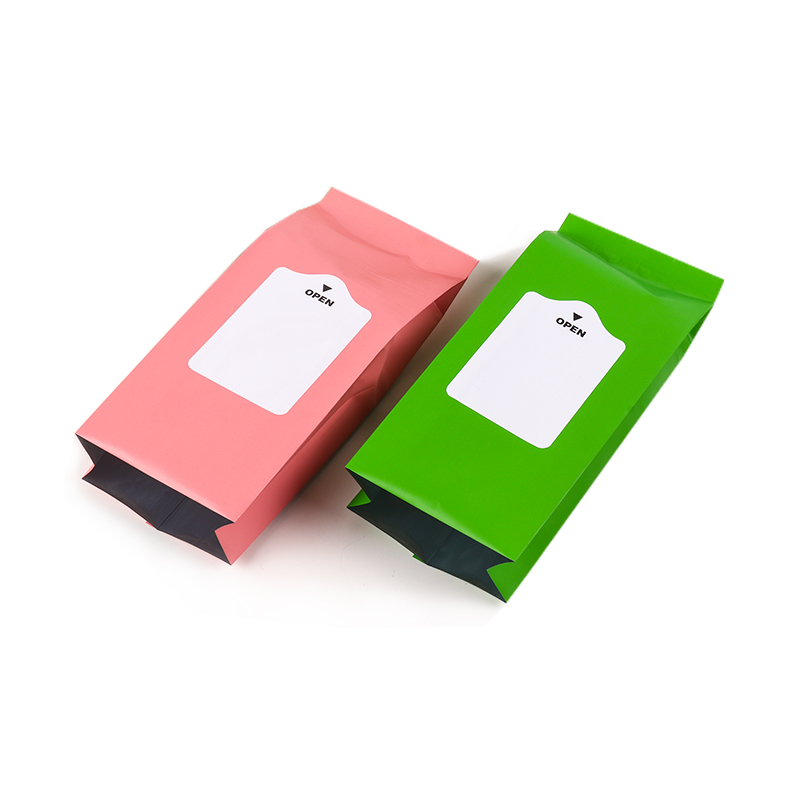
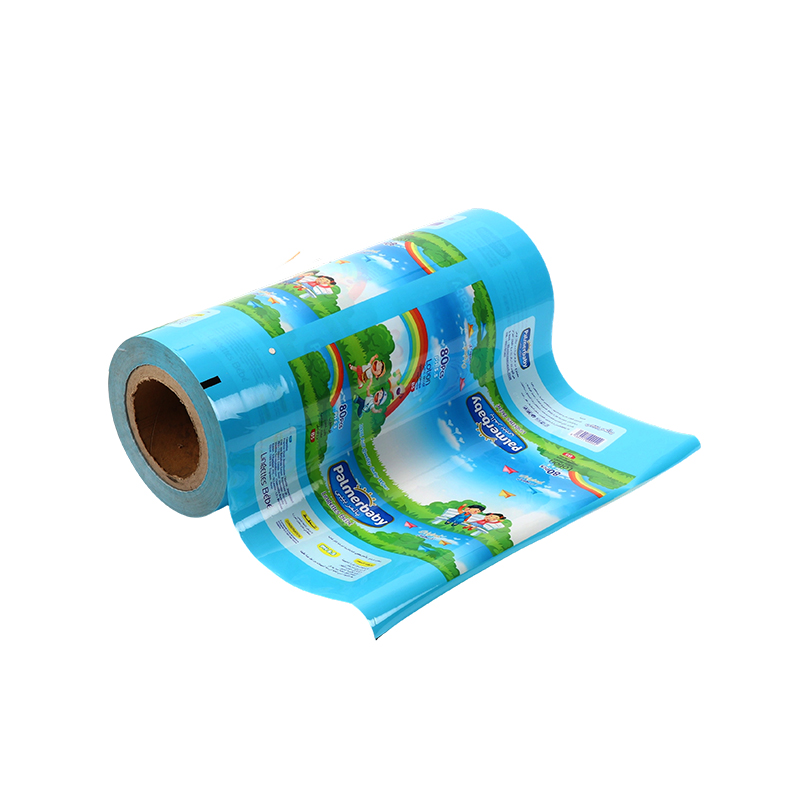
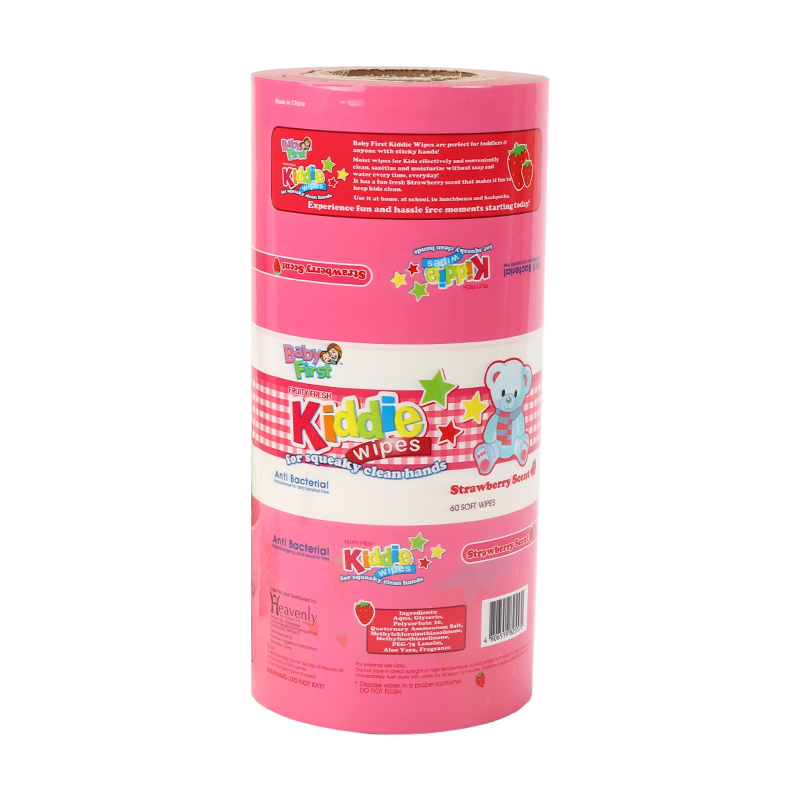
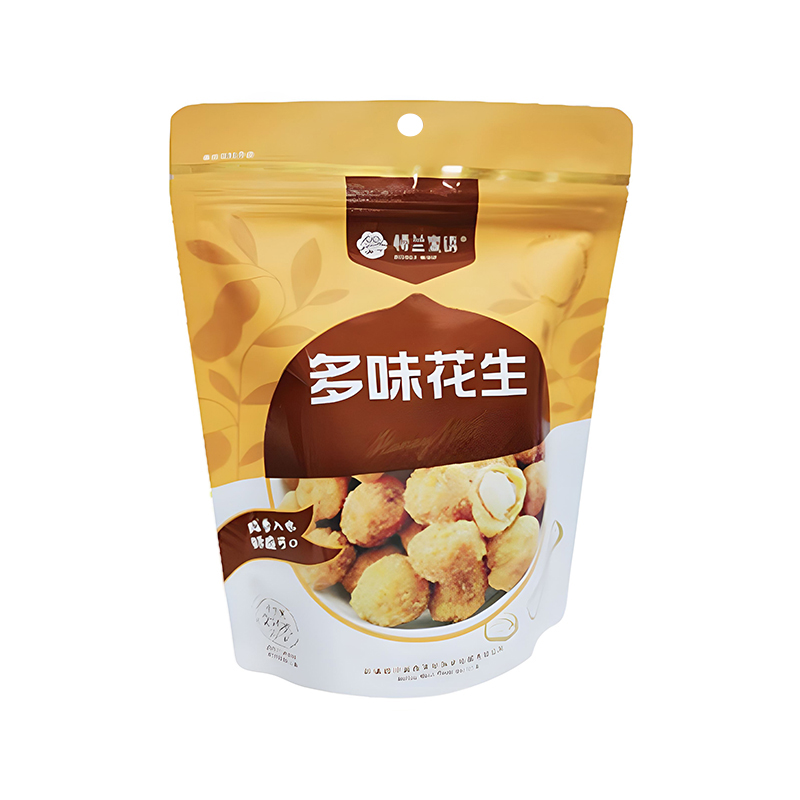
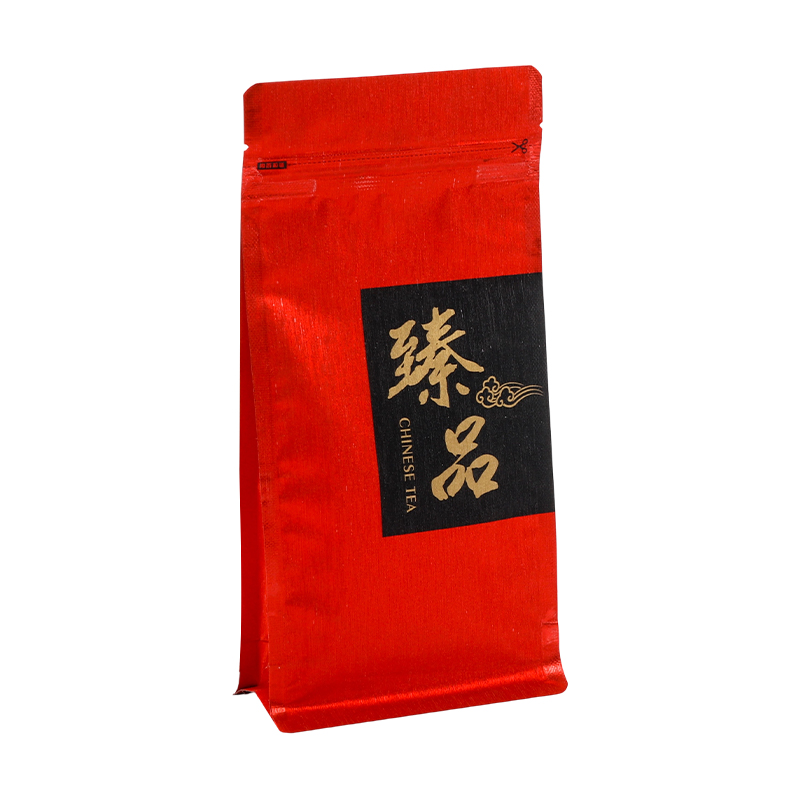
Have you ever wandered a grocery store and noticed all the shiny pouches, clear sleeves, or zippered bags holding snacks, grains, or goodies? Those items are called food packaging bags, and they serve a simple but essential purpose in modern markets. At their core, food packaging bags are flexible containers that keep food items contained and organized. Some stand upright on shelves thanks to clever base designs, while others resemble tiny envelopes or pouches that get heat-sealed or zippered after filling.
Food packaging bags have a personality of their own. They often carry bold patterns, cheerful illustrations, or transparent windows that let shoppers peek inside. Bright colors and clever designs can turn even a mundane grocery run into a more visual and enjoyable experience. These bags quietly influence what we notice and grab from the shelves, proving that thoughtful packaging can be just as engaging as the food it holds.
When we peek under the surface, food packaging bags are far more varied than the plastic wrapper you might find around chips. Here are some of the common styles you’ll see:
The personality of a food packaging bag comes from the materials used to make it. Plastic films such as polyethylene and polypropylene are flexible, easy to seal, and can be either clear or printed with colorful designs. Composite films combine layers of plastic with foil or polyester, adding strength and protection while giving space for vibrant branding. Paper-based or specialty laminated films provide a classic look for baked goods or snacks, combining durability with a distinctive style. The choice of material affects not only the visual appeal and tactile feel but also how well the bag protects its contents.
Some bags are even designed with functional innovations that improve user experience. Transparency, color vibrancy, and texture all contribute to how consumers interact with the bag, making material selection a crucial part of both practicality and presentation. In this way, the bag itself becomes part of the storytelling of the product, guiding perception even before the food is tasted.
Recommended Products
CONTACT US
Add: Rooms 101 and 102, Building 16, Longcheng Micro-Entrepreneurship Park, Longgang City, Wenzhou City, Zhejiang Province, China
TEL: +86-13395775085
E-mail: [email protected] / [email protected]
KEEP In Touch


 English
 русский
 Español