2026-03-06
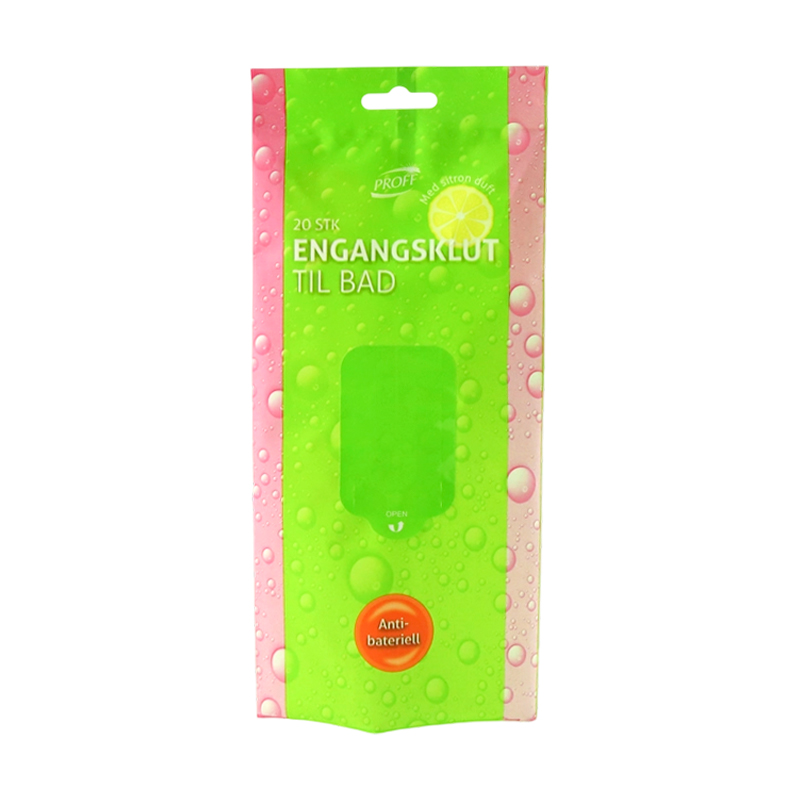
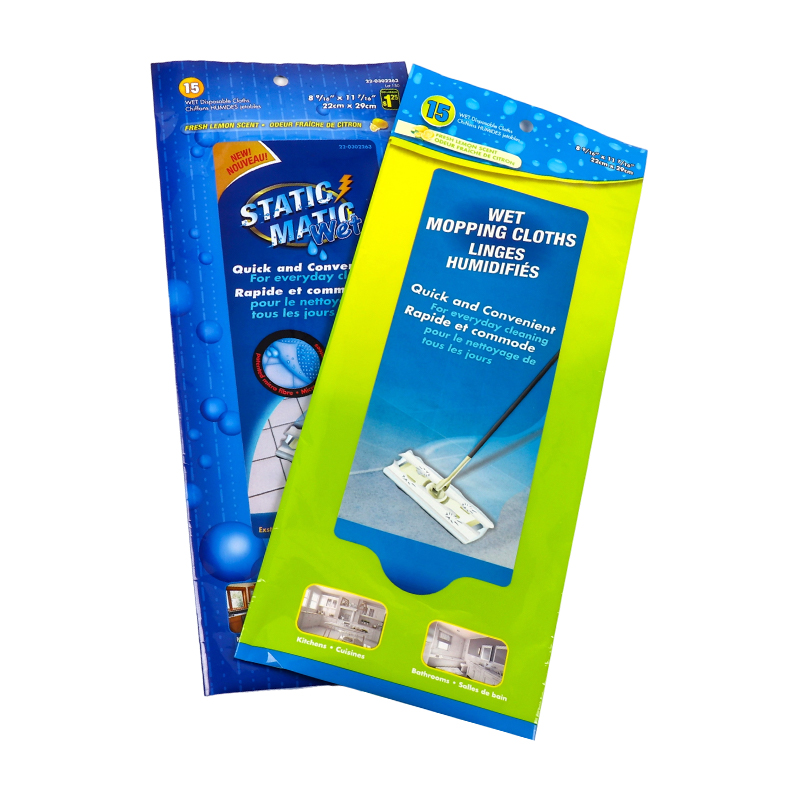
Over the past few years, wet wipes have become part of daily routines, not only for baby care but also for personal cleaning, surface disinfection, and on-the-go convenience. This growing usage has encouraged manufacturers to rethink how wet wipes packaging bag solutions preserve moisture, extend shelf life, and enhance portability without adding unnecessary material weight.
One notable shift in the market involves material innovation. Traditional multi-layer plastic films are gradually being redesigned to balance durability and environmental considerations. Packaging suppliers are introducing recyclable mono-material structures that simplify the recycling process. Although moisture retention remains a core technical requirement, companies are testing film compositions that reduce environmental impact while maintaining barrier performance. These developments reflect broader sustainability goals in the flexible packaging sector.
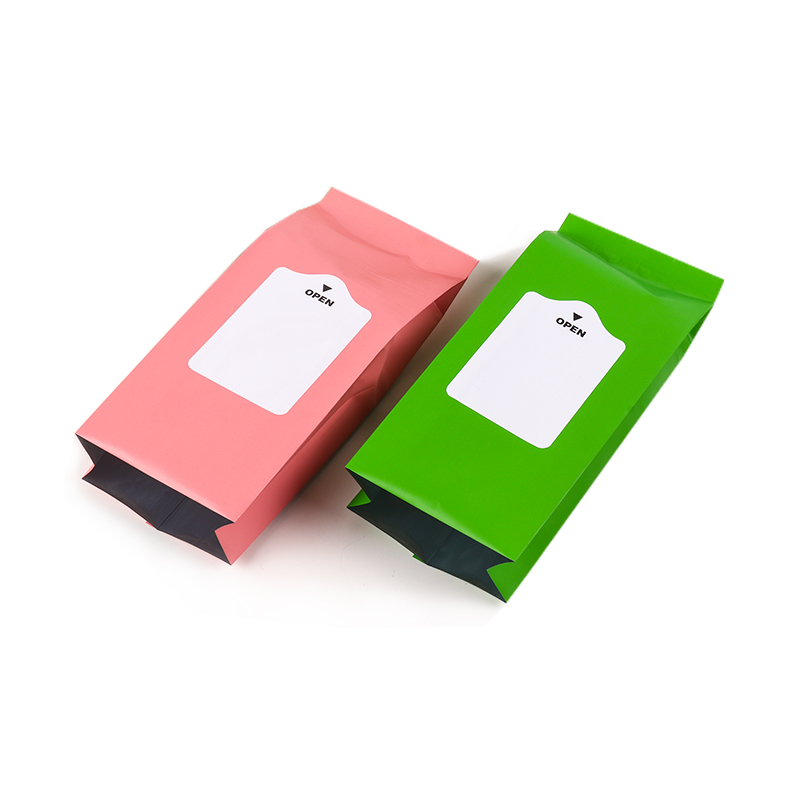
Consumer expectations around convenience have also shaped design features. Resealable labels and zipper closures are becoming standard elements in wet wipes packaging bag formats. A well-designed reseal system helps prevent evaporation and contamination, supporting product longevity even after repeated opening. Manufacturers are investing in adhesive research to ensure consistent sealing strength across various temperature conditions, especially for products distributed in regions with fluctuating climates.
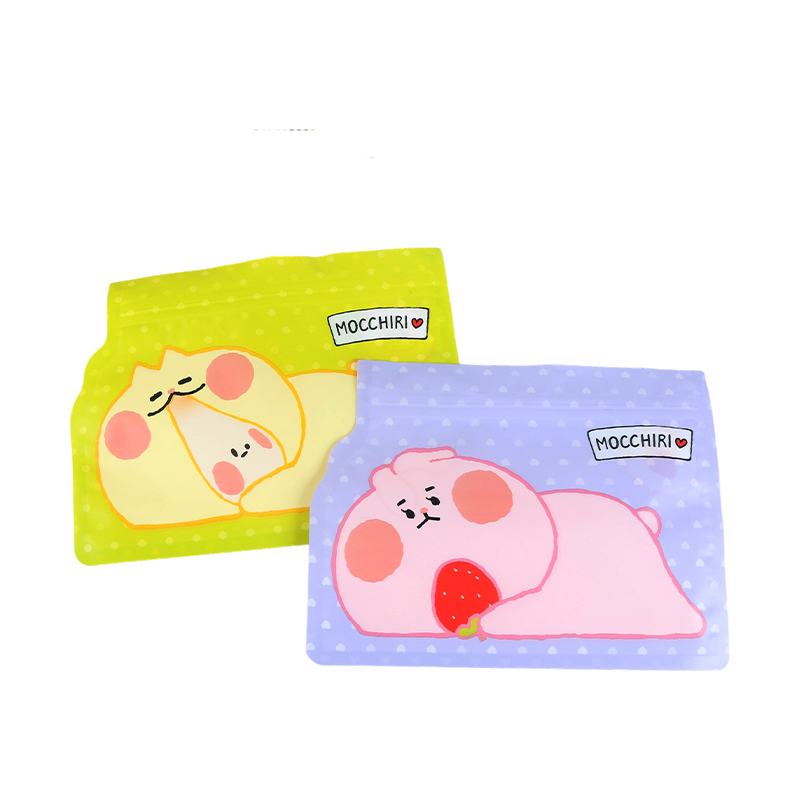
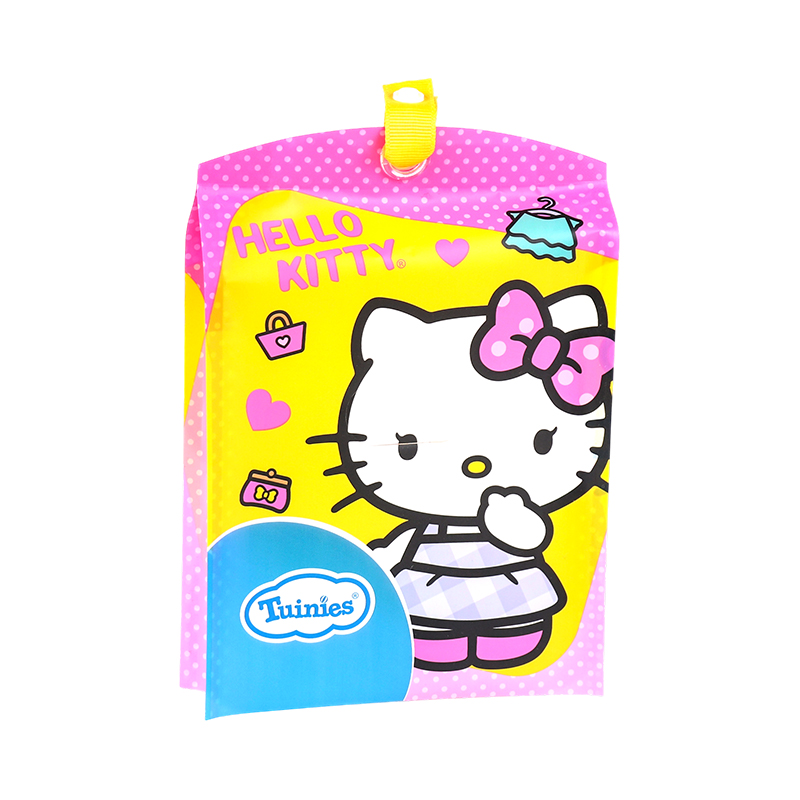
Another area of development involves portion control and travel-friendly sizing. Single-use sachets and compact packs cater to commuters, travelers, and outdoor enthusiasts who value lightweight and space-saving solutions. These smaller formats often require specialized sealing technology to maintain moisture integrity despite reduced internal volume. Engineers focus on balancing material thickness and flexibility to prevent leakage during transportation.
E-commerce growth has introduced new performance demands for wet wipes packaging bag manufacturers. Products shipped directly to consumers must withstand compression and potential temperature variations during transit. Packaging designers are therefore evaluating puncture resistance and seal reliability under distribution stress. Protective secondary packaging is sometimes minimized to reduce shipping costs, placing greater responsibility on the primary wet wipes packaging bag to safeguard contents.
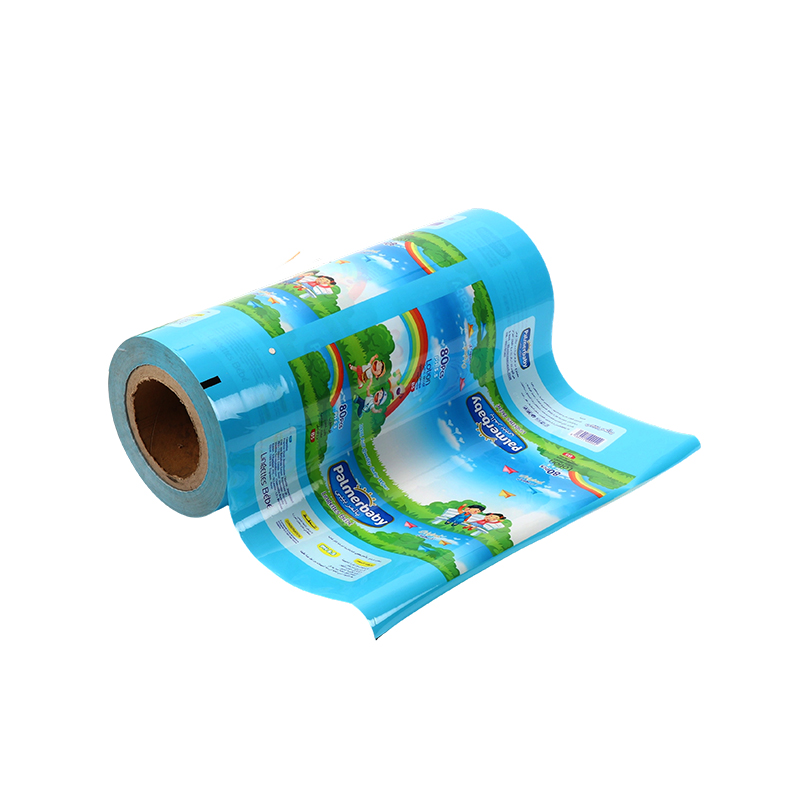
Automation within manufacturing facilities is supporting consistent quality standards. High-speed form-fill-seal machines are capable of producing large volumes of wet wipes packaging bag units with precise control over seal temperature and pressure. Automated inspection systems detect defects such as incomplete seals or misaligned prints, reducing the likelihood of defective products reaching retailers. Investment in smart factory technology also helps manufacturers collect production data, improving efficiency over time.
Sustainability discussions have extended beyond materials to include overall life cycle considerations. Some brands are exploring refill packs that reduce plastic consumption compared to rigid containers. Refill-style wet wipes packaging bag formats allow consumers to reuse durable outer cases, decreasing packaging waste. Although adoption rates vary by region, this approach demonstrates how packaging innovation can align with environmental responsibility.
Market analysts note that demographic trends continue to support demand growth. Urbanization, increased travel, and heightened awareness of personal hygiene contribute to consistent sales across different age groups. At the same time, competition remains active, prompting companies to differentiate through texture, scent, and packaging design rather than relying solely on price strategies.
The wet wipes packaging bag sector illustrates how a seemingly simple product can involve complex engineering and strategic planning. From moisture retention technology to recyclable film structures, every design choice reflects a balance between functionality, cost control, and environmental responsibility. Continued innovation in this field suggests that flexible packaging will remain a dynamic part of the global hygiene market.
Recommended Products
CONTACT US
Add: Rooms 101 and 102, Building 16, Longcheng Micro-Entrepreneurship Park, Longgang City, Wenzhou City, Zhejiang Province, China
TEL: +86-13395775085
E-mail: [email protected] / [email protected]
KEEP In Touch


 English
 русский
 Español