2026-05-01
Food packaging film roll products are a distinctive part of today’s packaging landscape, wrapping snacks, frozen foods, baked items, and many dry goods in a layer that supports convenience and product handling without drama. These film rolls are manufactured with multi‑layer structures made from different materials such as polypropylene, polyethylene, polyester, and sometimes barrier layers that help retain aroma and moisture for normal storage and retail presentation.
A typical food packaging film roll begins its journey with a selection of base polymers. Polyethylene (PE) and polypropylene (PP) are among the popular choices for inner layers thanks to their flexibility, heat sealing properties, and resistance to everyday moisture challenges encountered in food packaging. PE films come in different grades, such as low‑density and linear low‑density variants, which provide the packaging line with a balance between flexibility and toughness.
Polyester films, like PET (polyethylene terephthalate), often feature in outer layers because they bring dimensional strength, clarity, and space for high‑quality graphic printing. This makes it easier for brands to showcase product information and colorful designs that catch shoppers’ eyes. These films are well suited to packages that need clear or vibrant surface finishes.
Composite film structures are created by laminating several layers together, each layer contributing a different functional characteristic. For instance, a layer of PET might provide structural stability and print surface, while a PE heat‑seal layer ensures good closure performance at normal packaging line temperatures. In some products, barrier materials such as a thin metallic or coated film layer can reduce the transfer of moisture or gas, which helps maintain food quality during normal storage.
On a production line, a food packaging film roll is cut and sealed around the product using automated form‑fill‑seal machines. The film’s formulation matters here: films with consistent thickness and reliable heat‑seal behavior allow machines to run without frequent stoppages. Film rolls designed for automatic packaging help manufacturers maintain a steady pace of output and reduce the chance of wrinkling or misfeeds that can occur with less consistent materials.
Food packaging film roll materials are also selected based on the product being packaged. Snack foods, for example, benefit from film that offers balanced moisture barrier and crisp surface appearance, while frozen foods might need slightly different film characteristics to accommodate low‑temperature handling. Film roll stock can be customized in width, thickness, and surface treatment to match both the mechanical requirements of packaging equipment and the visual and functional needs of retailers and consumers.
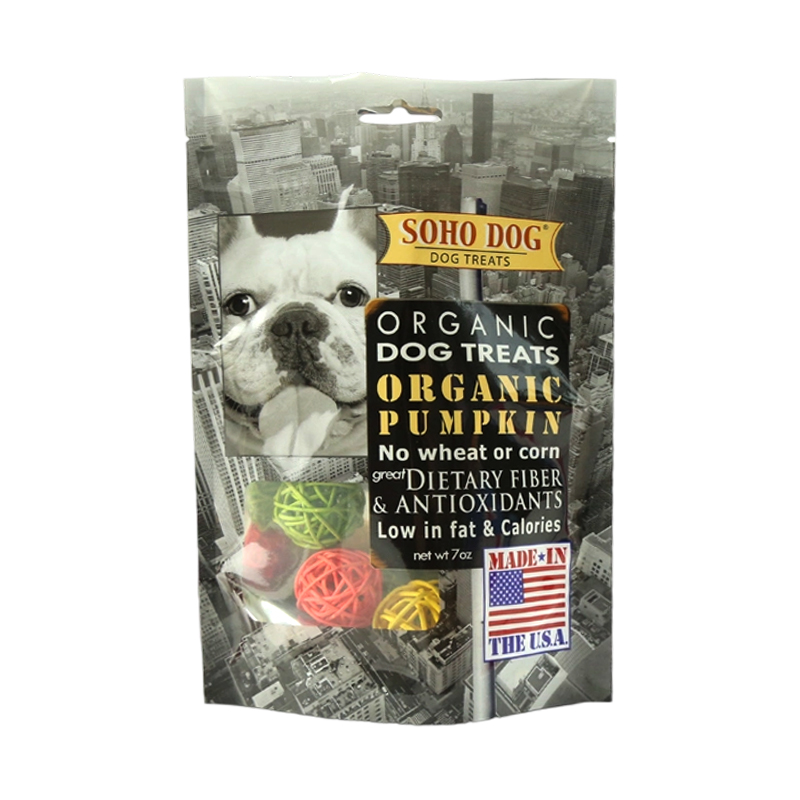
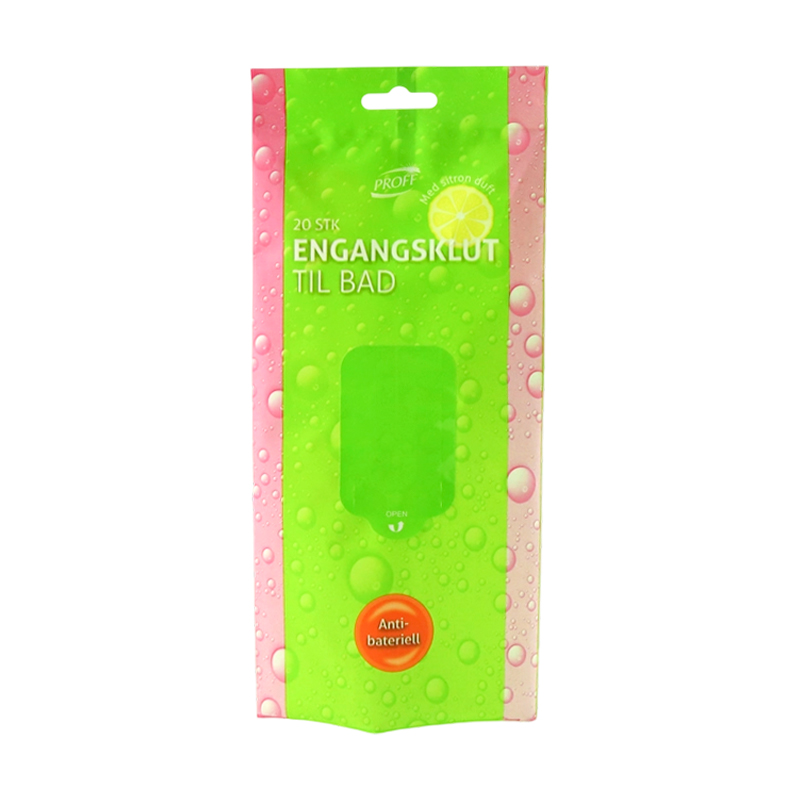
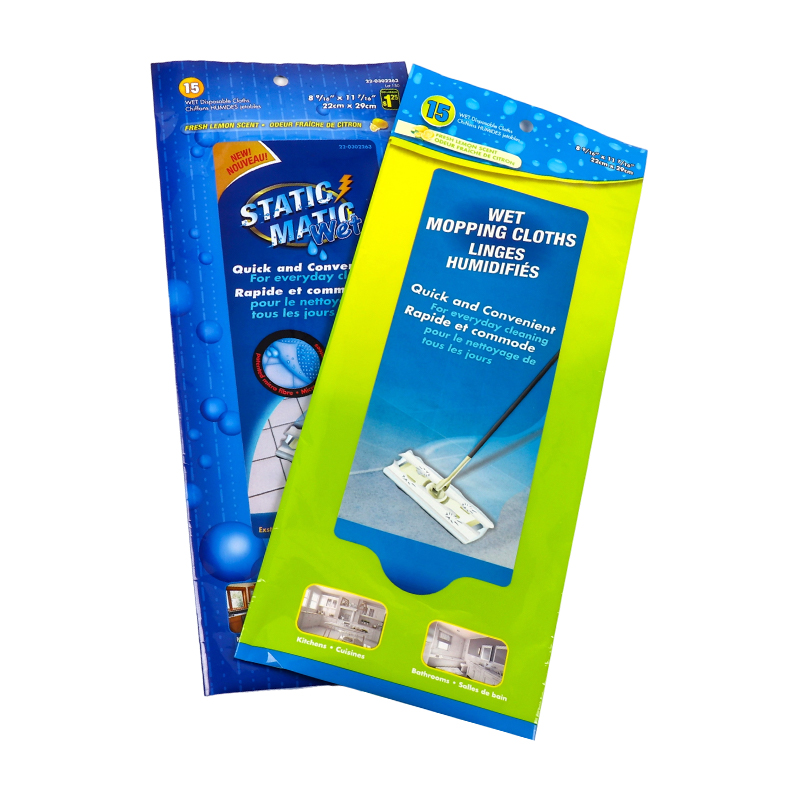
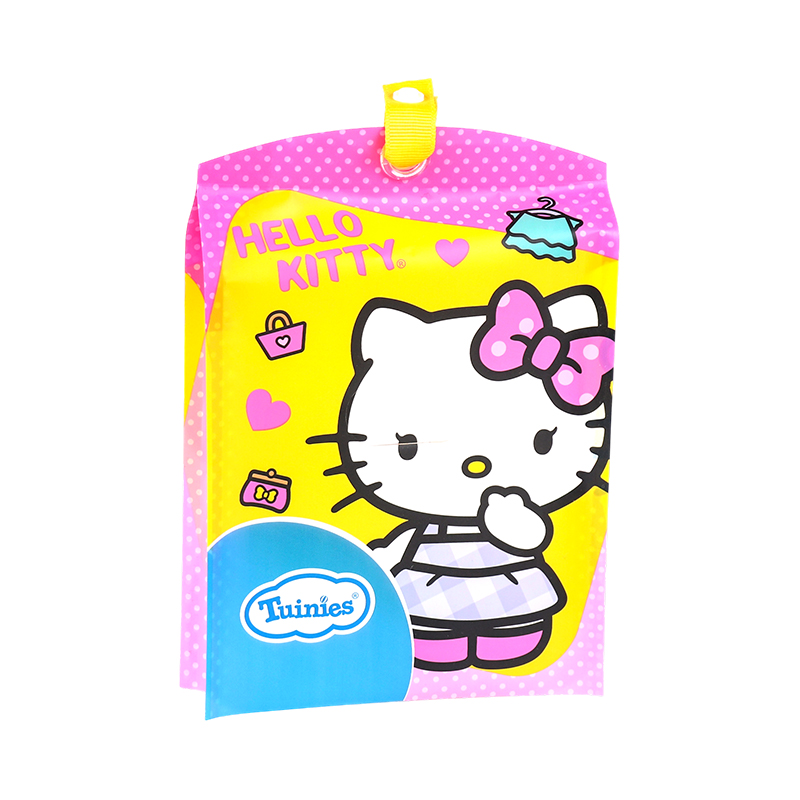
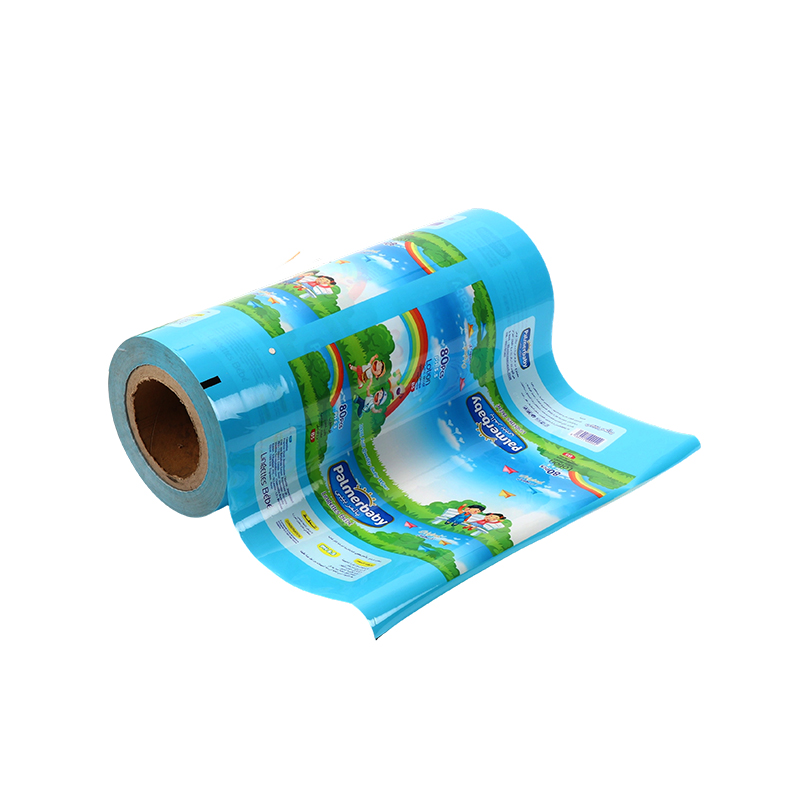
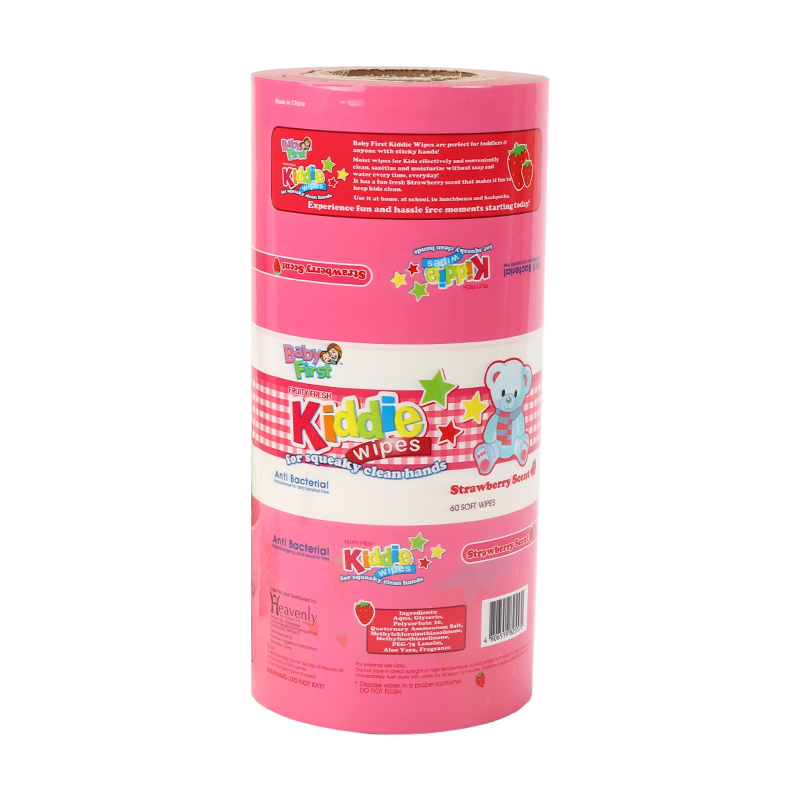
Printing on food packaging film roll is another essential aspect of modern packaging. Flexographic and rotogravure printing methods allow for clear logos, nutritional information, and playful graphics to appear directly on the film surface. These print surfaces are prepared through treatments that improve ink adhesion, so images don’t blur or rub off during transport. High‑quality printing contributes to brand communication without compromising the film’s barrier or sealing functions.
The end result is a food packaging film roll that serves several purposes: it protects the food from touch and handling, presents vital product information, and enables efficient packaging operations without unexpected interruptions. Brands worldwide rely on these film rolls to bring products to market with a consistent look and functional performance.
Recommended Products
CONTACT US
Add: Rooms 101 and 102, Building 16, Longcheng Micro-Entrepreneurship Park, Longgang City, Wenzhou City, Zhejiang Province, China
TEL: +86-13395775085
E-mail: [email protected] / [email protected]
KEEP In Touch


 English
 русский
 Español