2026-11-13
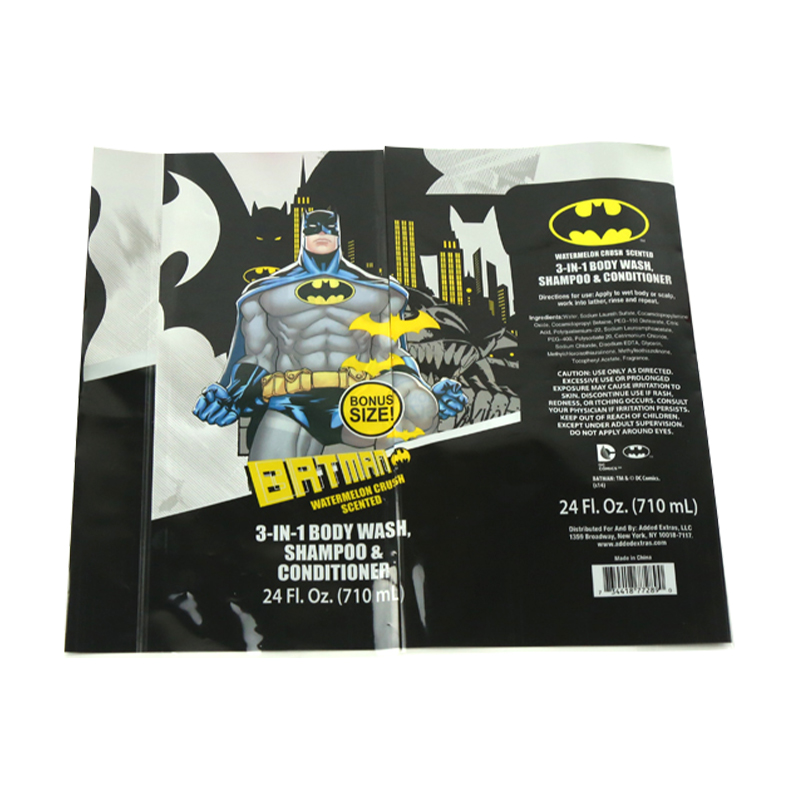
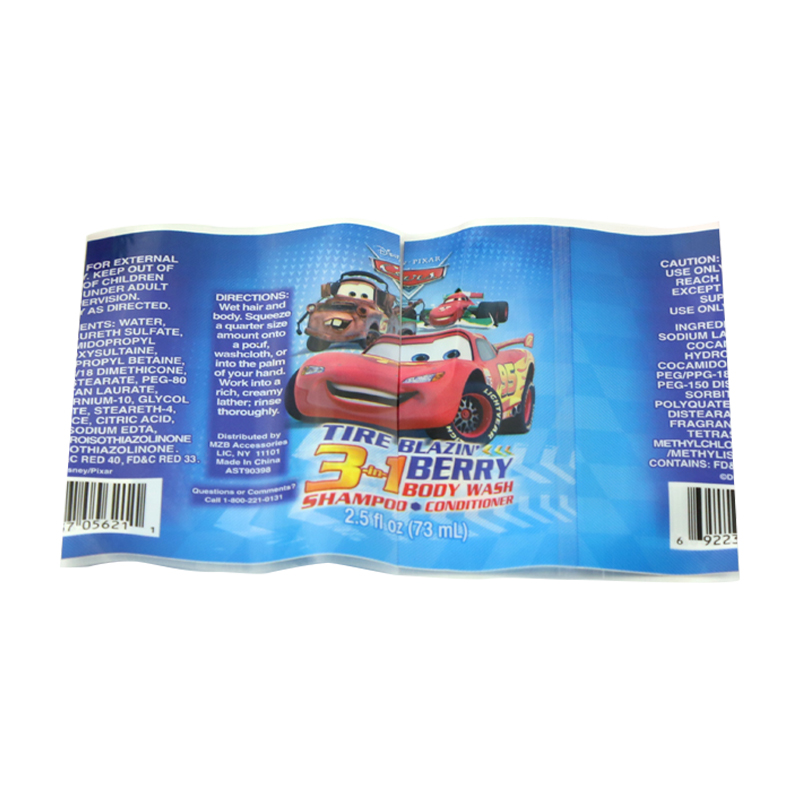
Packaging labels do more than display product names and brand information. Their material, shape, printing quality, and position can influence the overall appearance of a packaged product. Among different labeling formats, shrink sleeves have attracted attention from packaging manufacturers and brand owners because they can cover curved surfaces, irregular containers, and products with complex shapes. A Shrink film label uses heat-shrinkable plastic film to create a close-fitting label around a container, combining printed graphics with a flexible packaging structure.
The basic principle behind shrink sleeve labeling is the thermal shrinkage of polymer film. When exposed to controlled heat, the film contracts according to its material properties and the direction of its molecular orientation.
Unlike pressure-sensitive labels that rely on an adhesive layer, a shrink sleeve generally starts as a printed film tube. The tube is placed around a container and then passes through a heating system. As the film shrinks, it follows the outer shape of the container.
This structure allows a Shrink film label to cover cylindrical bottles, tapered containers, and packaging with different surface contours. The final appearance depends on the film type, sleeve dimensions, shrink characteristics, and container geometry.
The relationship between film size and container shape is particularly important. If the sleeve dimensions are not matched to the container, the finished label may develop wrinkles or uneven positioning.
Material selection is an important part of shrink sleeve production. Several polymer films are commonly used, including PVC, PETG, and OPS. Each material has different shrink characteristics, transparency, stiffness, and processing requirements.
The choice depends on the container dimensions, desired appearance, printing requirements, and available labeling equipment.
Film thickness also affects the final product. Thinner materials may provide a flexible sleeve structure, while thicker films can offer different handling and visual characteristics.
For manufacturers, selecting the right substrate is not simply a material purchasing decision. It involves matching the film's physical properties with the intended printing and shrinking processes.
After printing, the film moves into the converting stage. The printed material is processed into a tubular sleeve through a seaming operation, commonly using a solvent-based or other suitable bonding method.
The printed film is positioned and formed into a tube, with its edges joined to create a continuous sleeve structure. The finished tube can then be cut into individual sleeves according to the required length.
Cutting dimensions are determined by the container height and the intended coverage area. For some packaging projects, the sleeve may cover the entire container body, while other designs leave specific areas exposed.
This stage requires coordination between printing dimensions, seam positioning, and cutting specifications. The sleeve must also be suitable for the application equipment used by the packaging facility.
One technical feature that distinguishes shrink sleeve materials is their shrink direction. Some films primarily shrink in the transverse direction, while others have different shrink characteristics depending on their orientation.
Container geometry determines how these characteristics influence the final label. A straight cylindrical bottle has a relatively simple surface profile, while a container with shoulders, narrow necks, or curved sections requires more careful sleeve dimension planning.
The shrink ratio describes how much the film contracts during heating. Manufacturers use this information when calculating the flat sleeve dimensions required for a particular container.
For a Shrink film label, incorrect shrink calculations can affect graphic positioning, seam alignment, and coverage around the container. This is why material specifications and container drawings are important during product development.
Recommended Products
CONTACT US
Add: Rooms 101 and 102, Building 16, Longcheng Micro-Entrepreneurship Park, Longgang City, Wenzhou City, Zhejiang Province, China
TEL: +86-13395775085
E-mail: [email protected] / [email protected]
KEEP In Touch


 English
 русский
 Español