2026-11-20
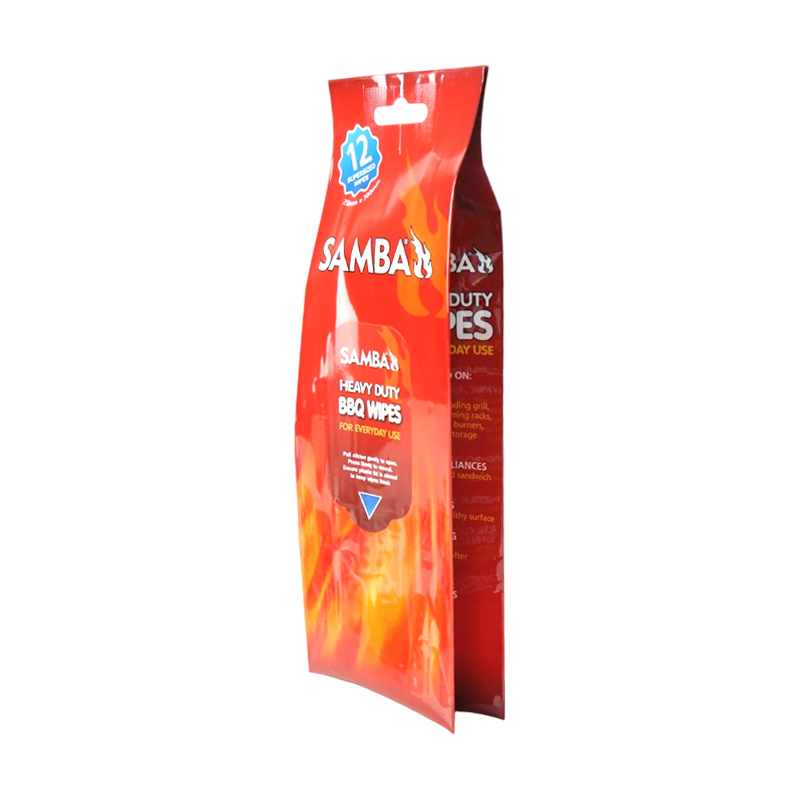
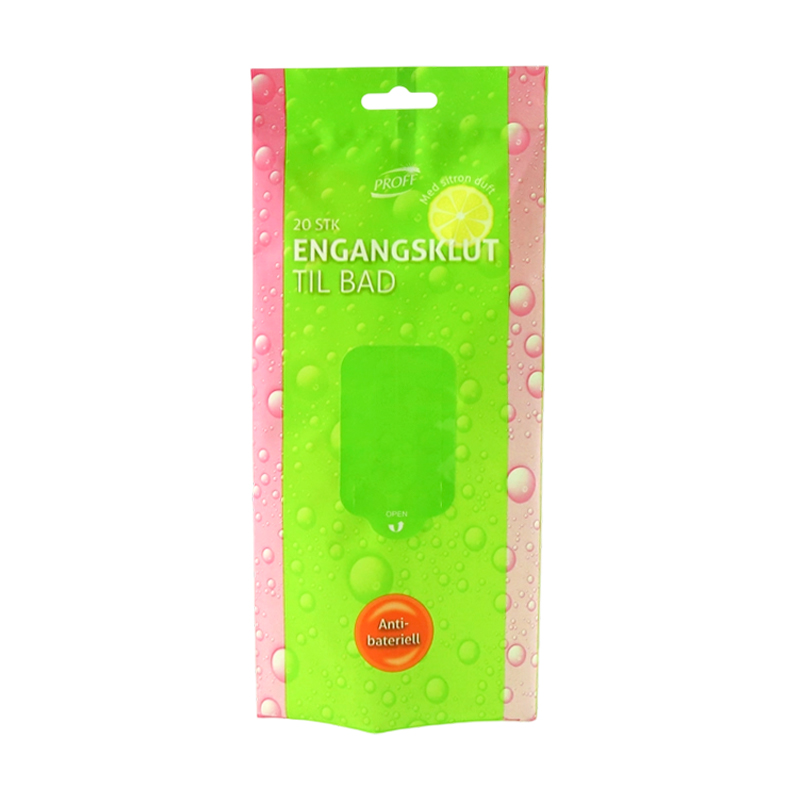
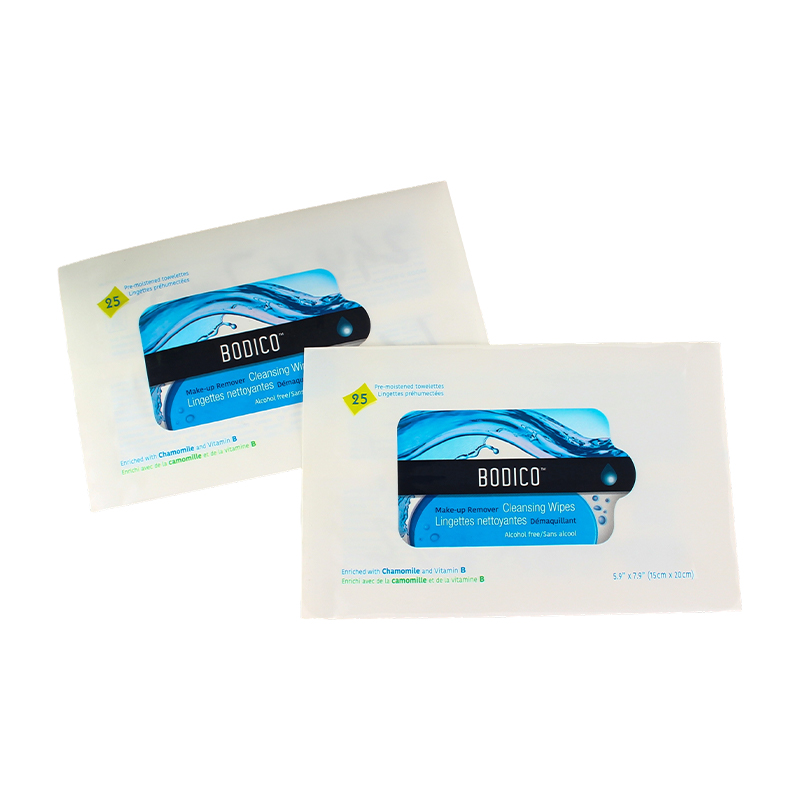
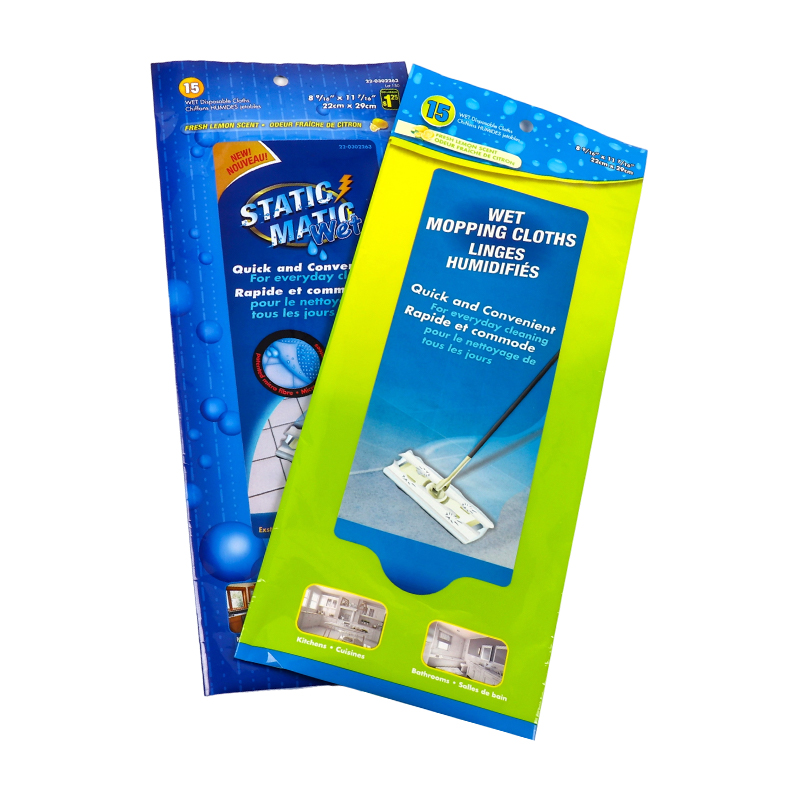
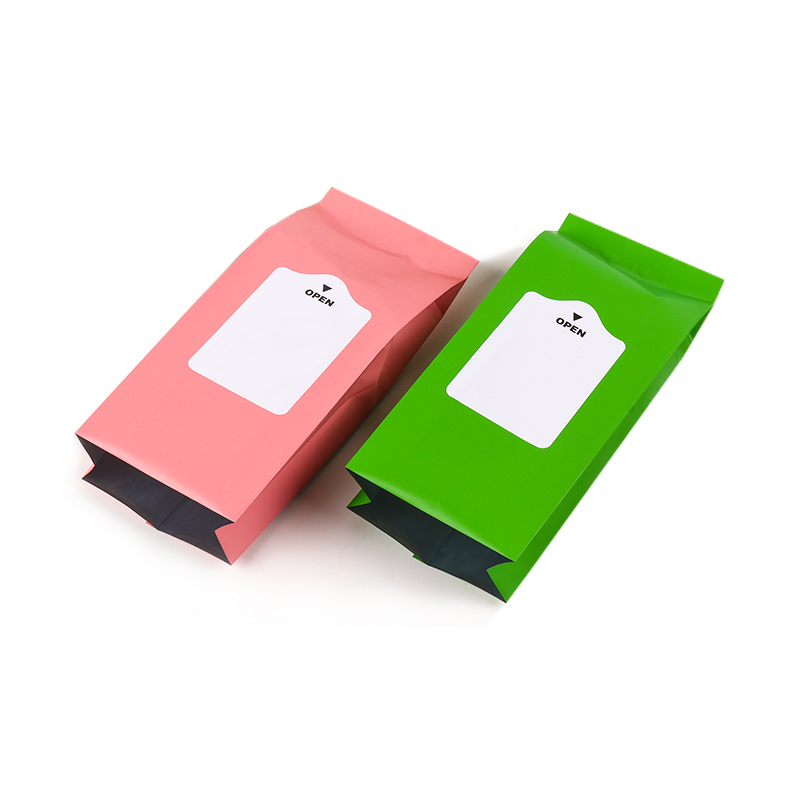
Wet wipes packaging bag designs focus on keeping moist products stable during storage and transport. Buyers in manufacturing supply chains often look at film structure, seal strength, and ease of use when evaluating options for their lines. A well-built wet wipes packaging bag balances barrier performance with practical handling on filling equipment.
Most wet wipes packaging bag constructions use multi-layer films. An outer layer provides printability and scuff resistance. Middle layers often include barrier resins that limit moisture loss and block external odors or gases. The inner layer contacts the product and must remain compatible with the liquid formula while supporting a clean heat seal.
Thickness typically ranges from thin flexible films for single packs to slightly heavier gauges for multi-wipe packs that undergo repeated opening. The choice of resin blend affects how the bag behaves under pressure or temperature changes during shipping. Clear or opaque films are both common; opaque versions can shield light-sensitive formulas.
A wet wipes packaging bag needs enough puncture resistance to survive packing lines and warehouse handling. Films that stretch slightly under stress reduce the chance of small tears that would dry out the contents. Buyers frequently request samples to test how the film reacts to the specific wipe solution used in their product.
Heat-sealed edges form the basic structure of a wet wipes packaging bag. Side seals and a bottom seal create the pouch shape before filling. After the wipes are inserted, a top seal closes the pack. Some designs leave a resealable strip or adhesive flap so users can open and close the pack multiple times without rapid moisture escape.
The seal width and temperature settings during production influence long-term integrity. A seal that is too narrow may separate under stress; one that is overly wide can feel stiff. Consistent seal quality across a production run matters for large orders because weak spots show up only after the packs leave the factory.
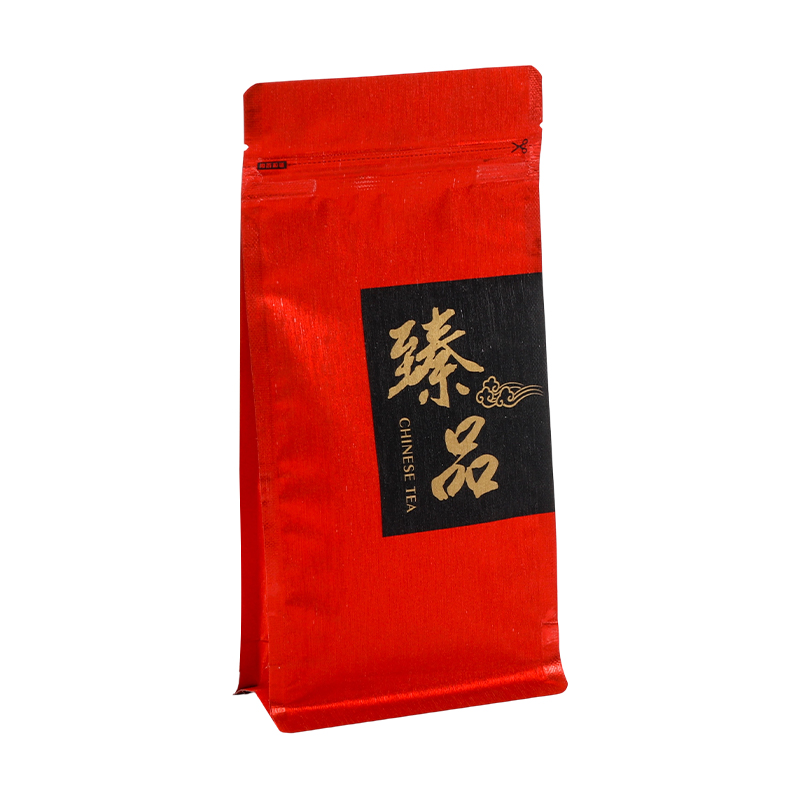
Zipper or adhesive closures add convenience for multi-count packs. These features must open smoothly yet close firmly enough to retain moisture between uses. The placement of the opening relative to the wipe stack also affects how easily the first wipe can be removed without disturbing the rest.
Manufacturing a wet wipes packaging bag starts with film extrusion or lamination. Resins are melted and formed into the required layer structure, then wound into rolls. Printing occurs next if graphics or product information are needed. The printed film moves to pouch-making machines that cut, fold, and seal the bags at high speed.
Filling lines insert the folded wipes and apply the final seal. Alignment of the film web, temperature control, and tension management all influence the finished pack dimensions and seal quality. Factories that maintain tight process windows produce packs with uniform size and reliable seals across long runs.
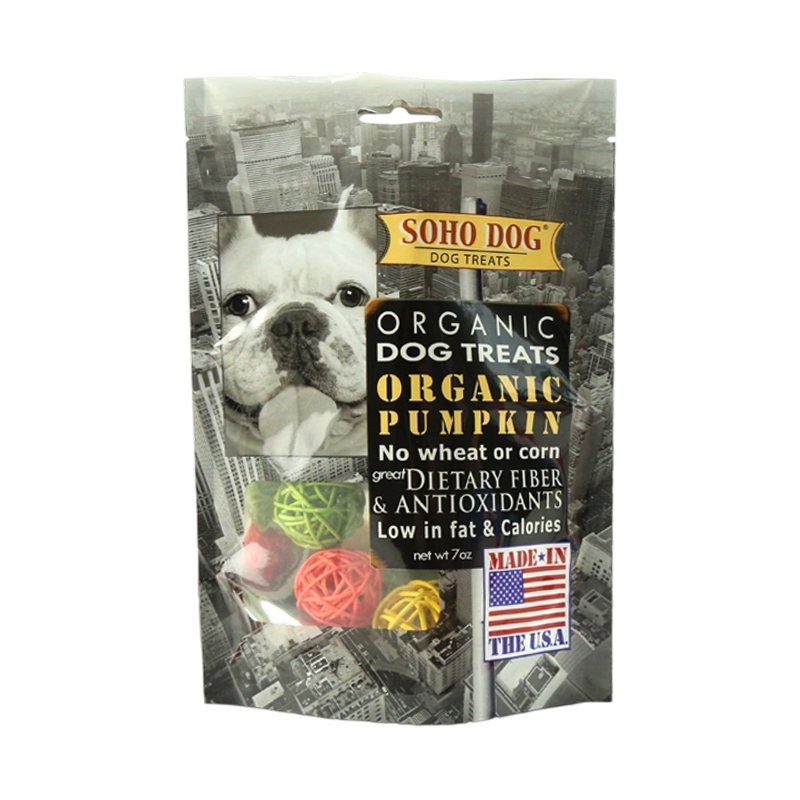
Equipment capability determines the range of bag sizes and styles a supplier can offer. Some lines handle only simple three-side-seal pouches; others support stand-up shapes or more complex closures. Matching the packaging format to the filling equipment already installed at the wipe producer reduces changeover time and scrap.
Recommended Products
CONTACT US
Add: Rooms 101 and 102, Building 16, Longcheng Micro-Entrepreneurship Park, Longgang City, Wenzhou City, Zhejiang Province, China
TEL: +86-13395775085
E-mail: [email protected] / [email protected]
KEEP In Touch


 English
 русский
 Español