2026-06-12
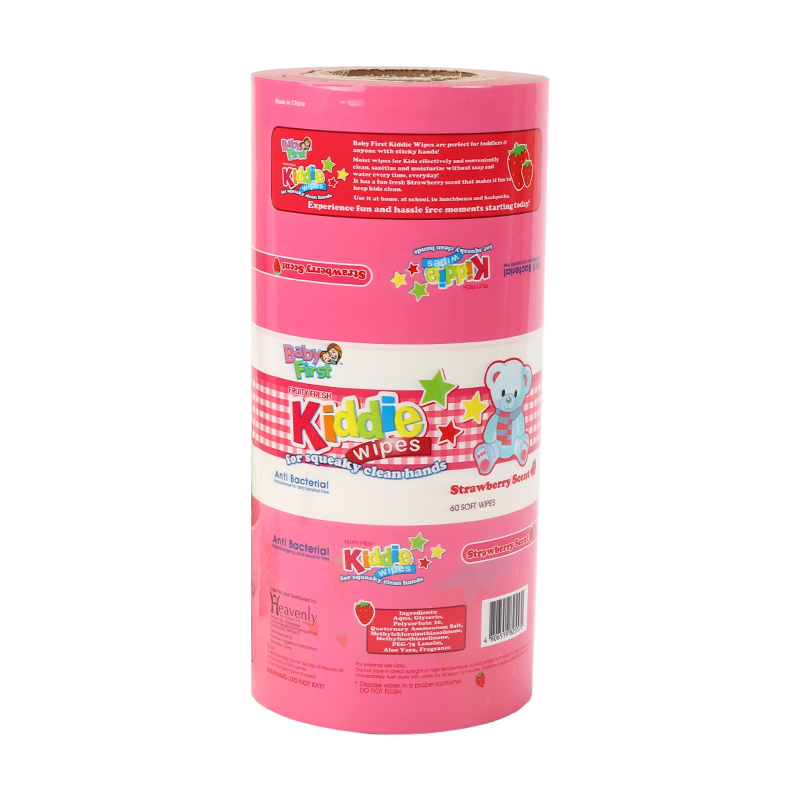
Wet wipes packaging film rolls typically consist of multiple layers of plastic materials designed to maintain product integrity. Common structures include polyethylene and polypropylene combinations that create barriers against moisture loss and external contaminants. The laminated construction helps preserve the liquid content within the wipes while providing strength for handling and transport.
These films feature controlled thickness that balances flexibility with durability. The inner layers often allow for heat sealing, while outer surfaces support high-quality printing for branding and usage information. This layered approach contributes to the overall performance of the finished package.
Production of wet wipes packaging film rolls involves extrusion and lamination techniques. Raw resins are melted and formed into thin sheets through specialized equipment. Multiple layers are combined under heat and pressure to achieve the desired barrier properties and mechanical strength.
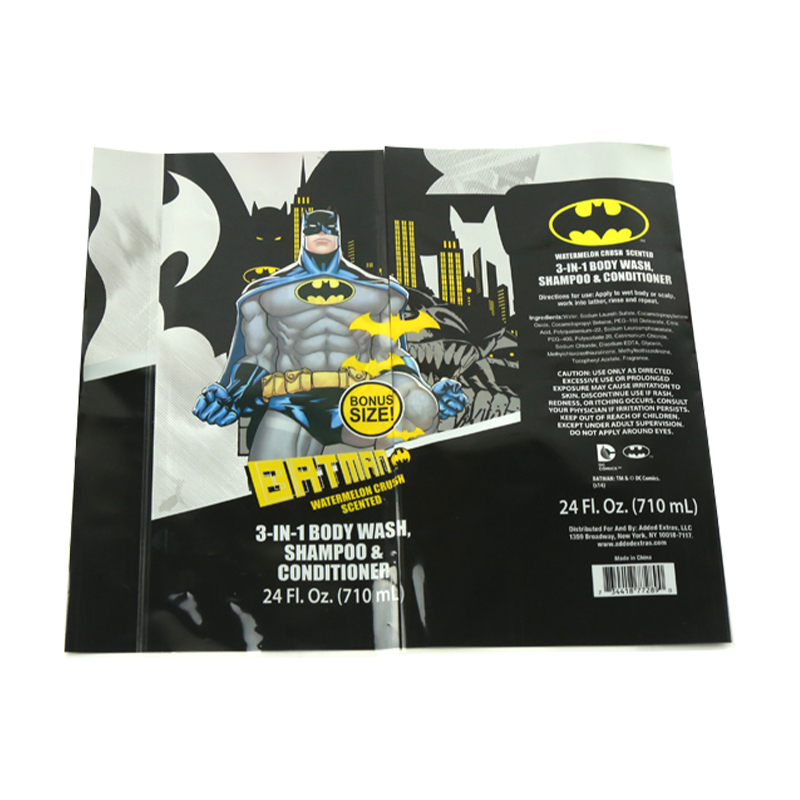
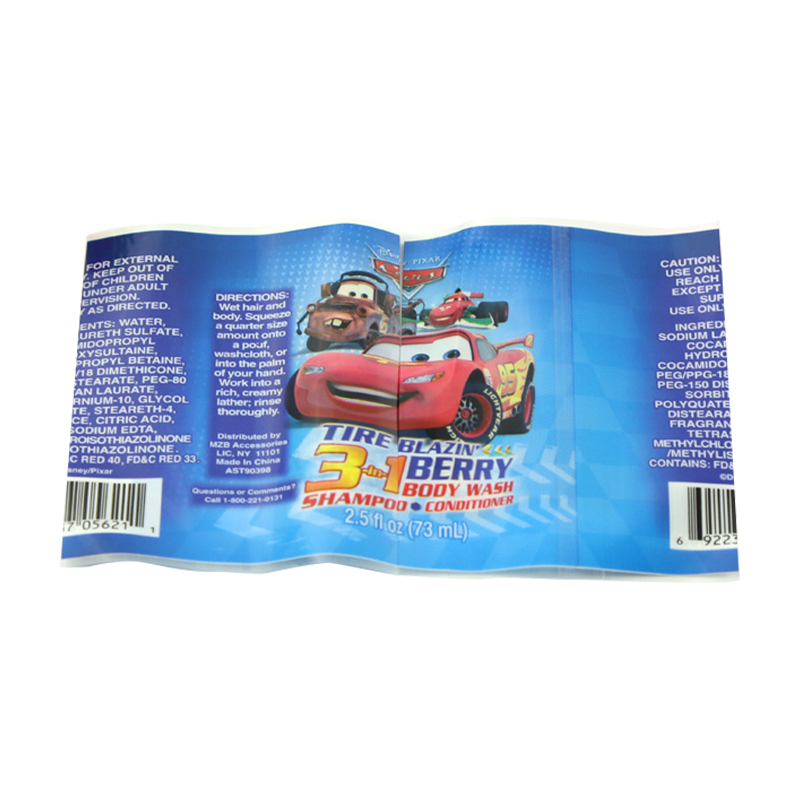
After lamination, the film undergoes printing processes where designs, instructions, and graphics are applied. Slitting then converts wide master rolls into narrower widths suitable for specific packaging machines. The result is a ready-to-use roll that integrates smoothly into high-speed filling operations.
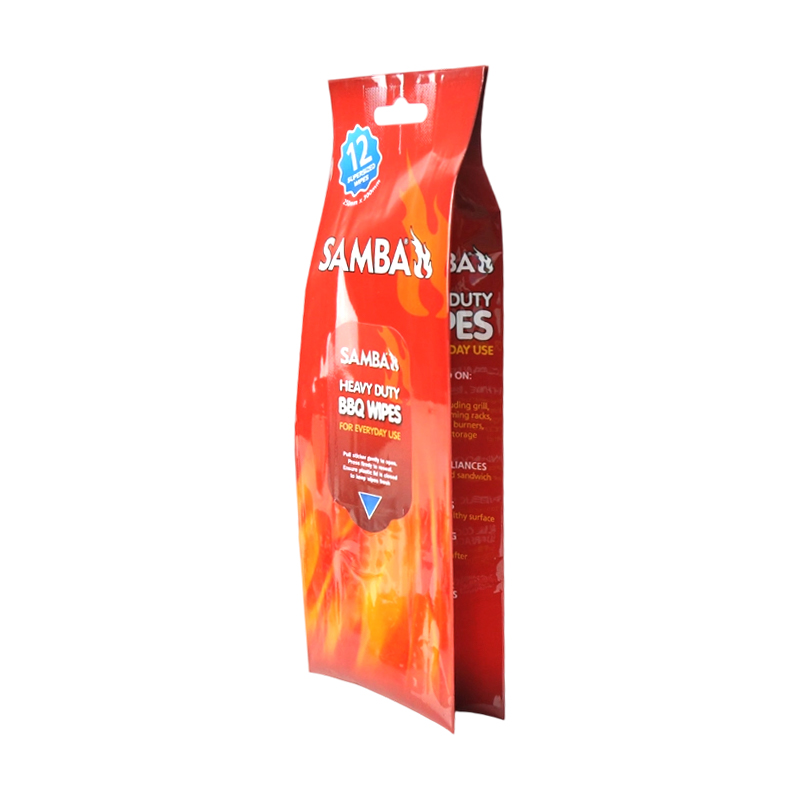
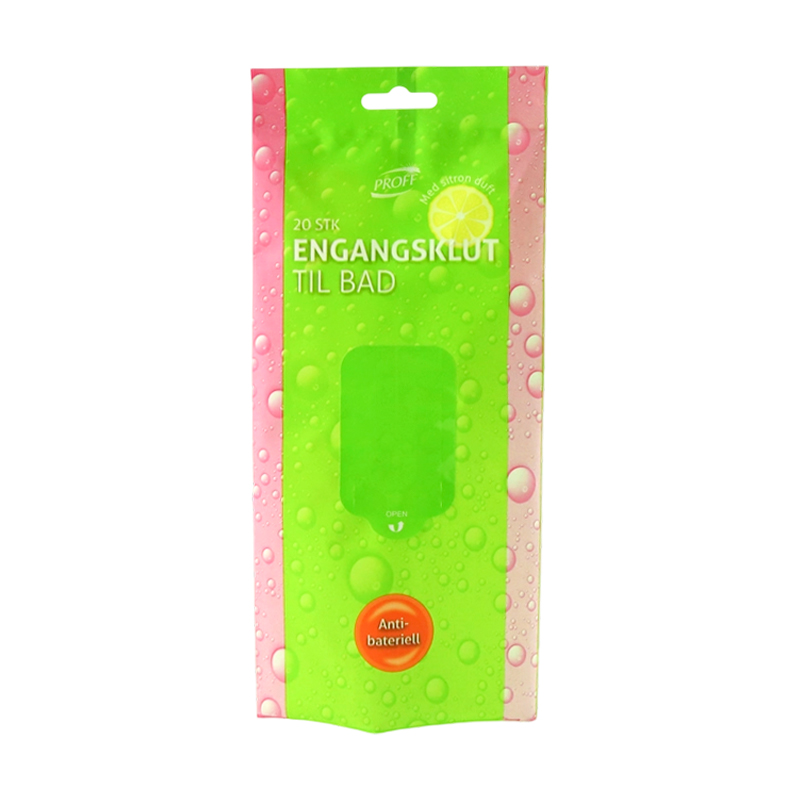
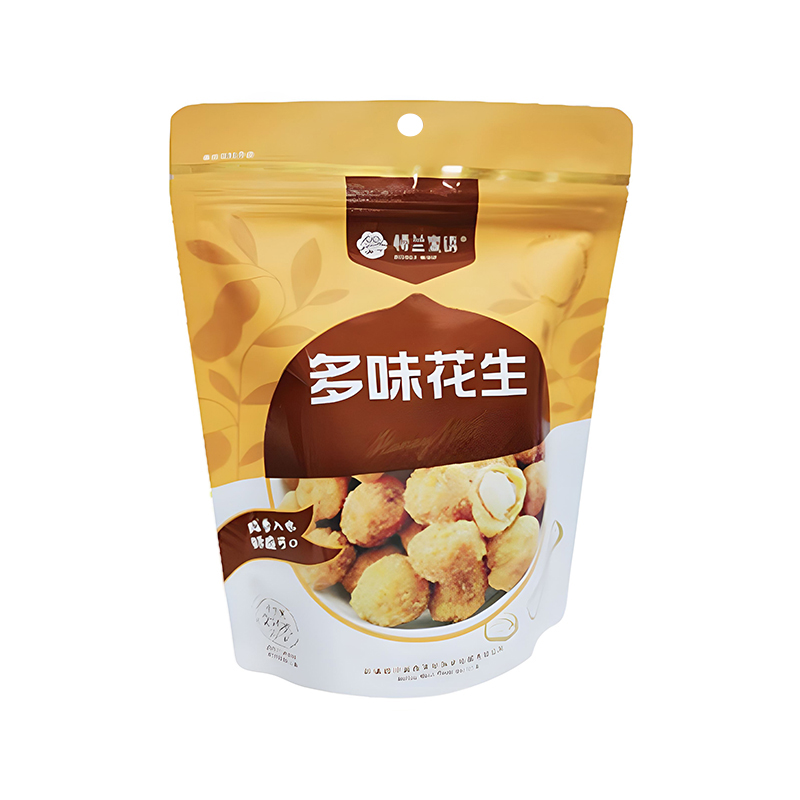
The film rolls offer good seal integrity, which helps keep wipes moist throughout their intended shelf life. Resealable options often incorporate zippers or labeled flaps that allow repeated opening and closing without compromising the package. The material resists tearing during normal use while remaining easy to open when needed.
Transparency levels vary by design, with some films providing clear views of the contents and others featuring opaque or printed surfaces. Surface treatments enhance ink adhesion for sharp, detailed graphics that remain intact during distribution.
Wet wipes packaging film rolls are widely used for baby wipes, facial cleansers, hand sanitizing wipes, and household cleaning products. In baby care, the packaging maintains gentle formulations in a ready-to-use state. Personal care lines utilize the film for travel-sized packs and larger dispensers suitable for home or commercial settings.
Industrial and institutional applications include wipes for surface disinfection and specialized cleaning tasks. The film supports various pack formats, from single-use sachets to multi-sheet dispensers, addressing different usage scenarios across retail and business environments.
The barrier properties of wet wipes packaging film rolls focus on controlling vapor transmission to prevent drying of the wipes. Film suppliers adjust polymer blends and layer configurations to meet requirements for specific wipe solutions, which may contain water, alcohols, or lotions.
Mechanical properties such as tensile strength and puncture resistance ensure the package withstands stacking, shipping, and consumer handling. Compatibility with filling equipment allows for consistent forming, filling, and sealing cycles without frequent adjustments.
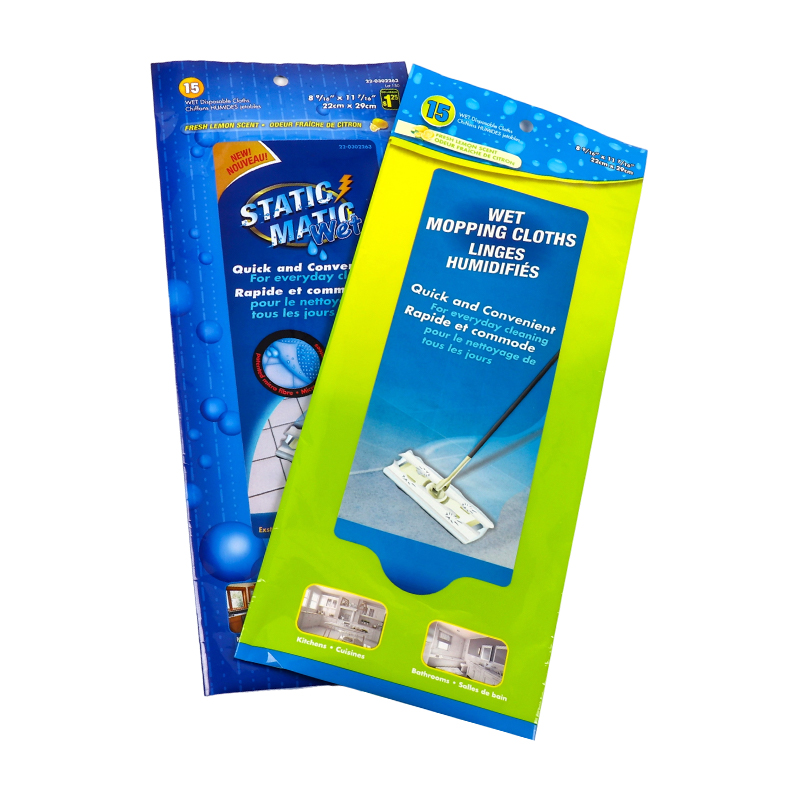
Manufacturers produce wet wipes packaging film rolls in different widths, lengths, and specifications to match production needs. Some rolls incorporate easy-tear notches or perforations that simplify consumer access. Printed variants range from simple text layouts to full-color illustrations that align with product themes.
Specialized films address requirements for different climates or storage conditions, helping maintain product quality during distribution. The variety supports customization for brands targeting particular market segments or usage patterns.
Recommended Products
CONTACT US
Add: Rooms 101 and 102, Building 16, Longcheng Micro-Entrepreneurship Park, Longgang City, Wenzhou City, Zhejiang Province, China
TEL: +86-13395775085
E-mail: [email protected] / [email protected]
KEEP In Touch


 English
 русский
 Español