2026-06-19
Hygienic packaging materials are specified wherever the contents being packaged are sensitive to contamination — food, pharmaceuticals, medical devices, personal care products, and similar categories where what touches the product matters as much as what contains it. The term covers a broad range of substrates, coatings, and formats, and the decisions made during material selection ripple through production efficiency, shelf life, and end-user safety in ways that aren't always obvious upfront.
The starting point for any hygienic packaging application is the barrier requirement. Different products lose integrity through different pathways — moisture ingress, oxygen exposure, microbial penetration, light degradation, or chemical migration from the packaging material itself. A material that performs well against one of these vectors may offer little protection against another. Multilayer film structures address this by combining layers with complementary barrier properties: a moisture barrier on the outside, an oxygen barrier in the middle, and a food-contact-grade sealant layer on the inside. The combination is engineered to the product's specific vulnerability profile rather than selected from a generic catalog.
Surface cleanliness during production is a dimension of hygienic packaging that doesn't always appear in material data sheets but matters considerably in practice. Films and substrates manufactured in controlled environments with documented cleanliness protocols arrive at the packaging line with lower initial contamination loads than those produced without such controls. For aseptic filling operations — where the packaging material itself must meet defined microbial limits before it enters the filler — supplier documentation on production environment and material handling becomes part of the qualification process.
Sealing performance deserves specific attention in hygienic packaging contexts. The seal is where contamination most often enters a package after filling — not through the film itself but through an incomplete or compromised seal. Sealant layer selection affects the temperature range over which a reliable seal forms, the minimum dwell time required, and how the seal behaves when there is product contamination at the seal area. Packaging lines running high-speed operations need sealant materials that perform consistently across the full range of sealing bar temperatures and pressures encountered during a production run, not just under ideal laboratory conditions.
Printing and surface treatment requirements add another layer to hygienic packaging material selection. Inks and coatings applied to the outer surface of a packaging film need to be compatible with the substrate and stable under the handling and storage conditions the package will see. Migration of printing ink components through the packaging structure into the product — though typically addressed through laminate construction — remains a relevant consideration when specifying materials for direct-contact applications or thin-film formats.
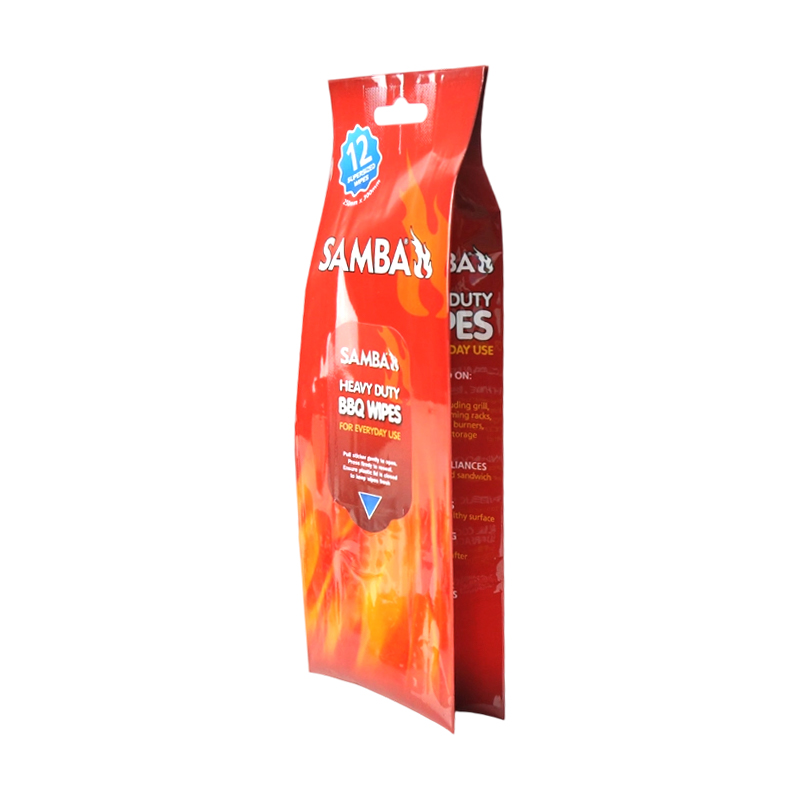
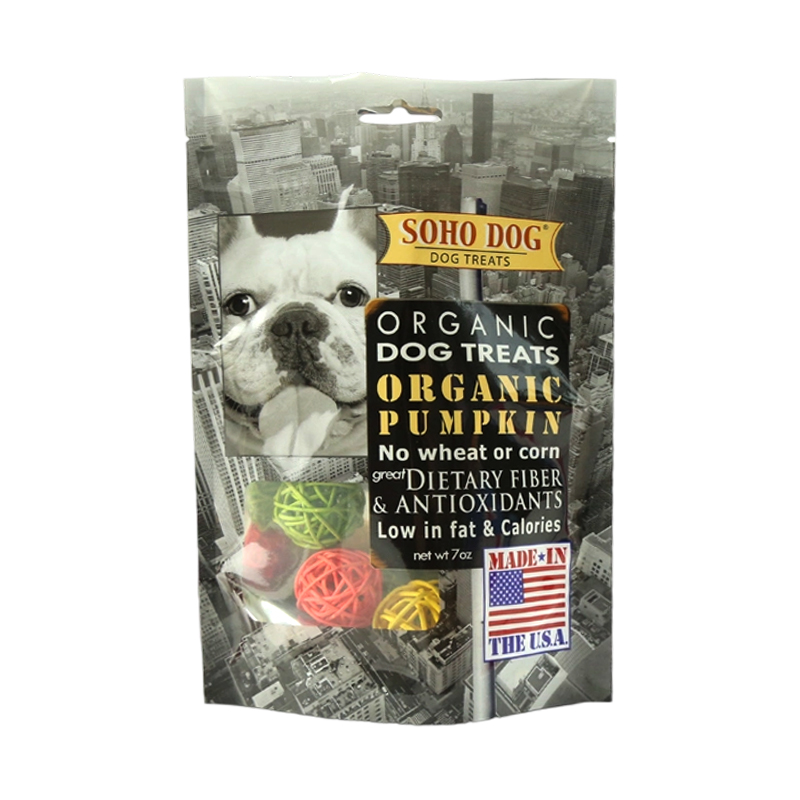
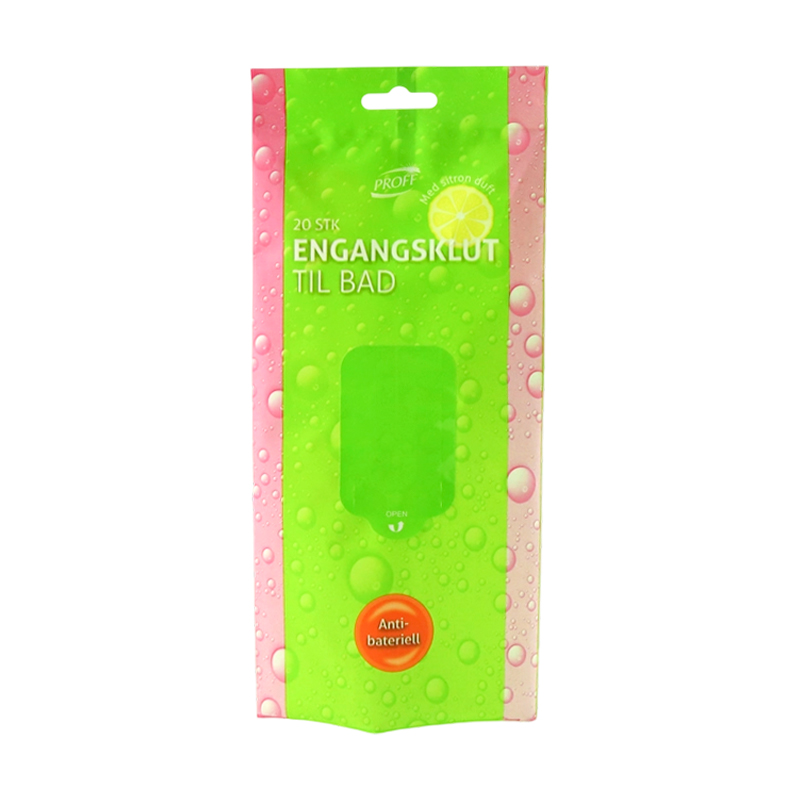
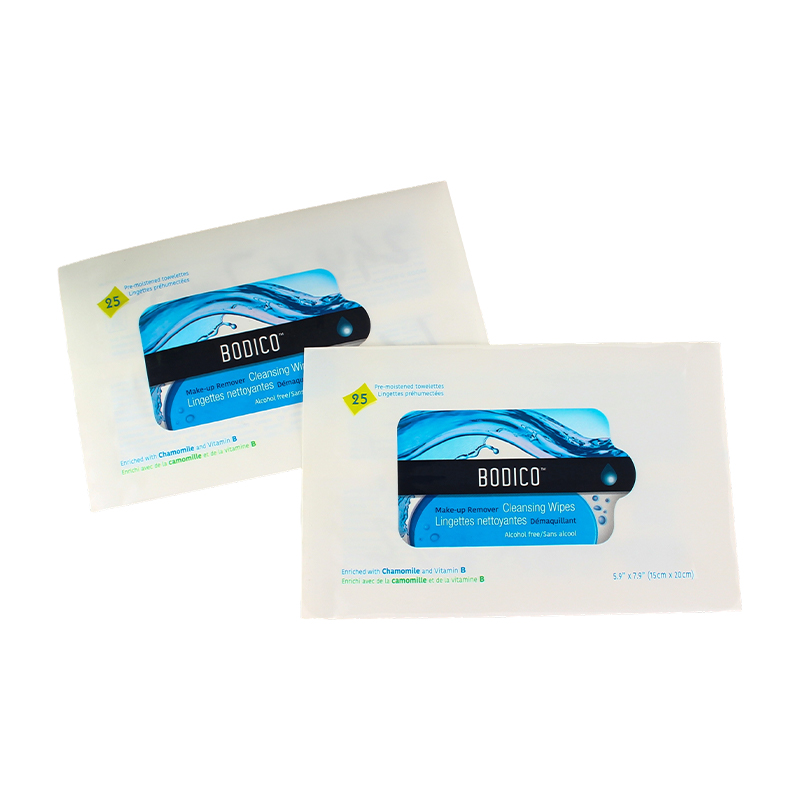
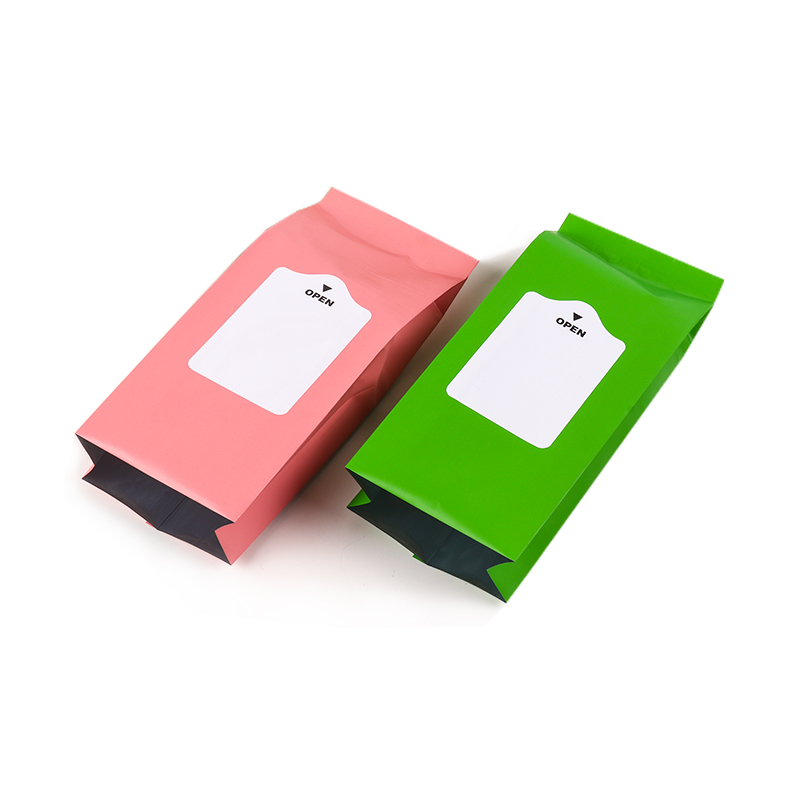
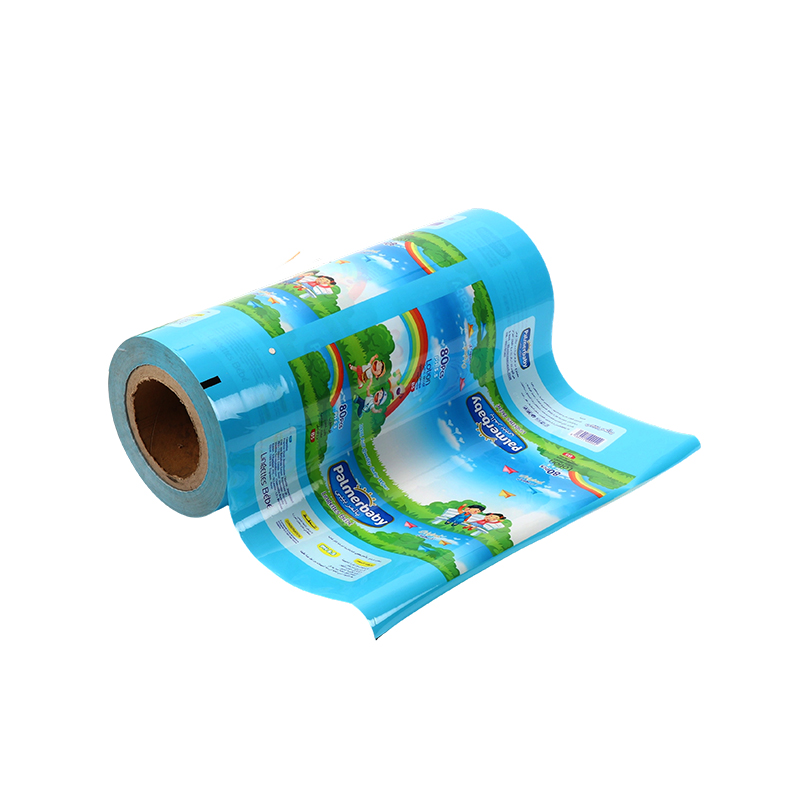
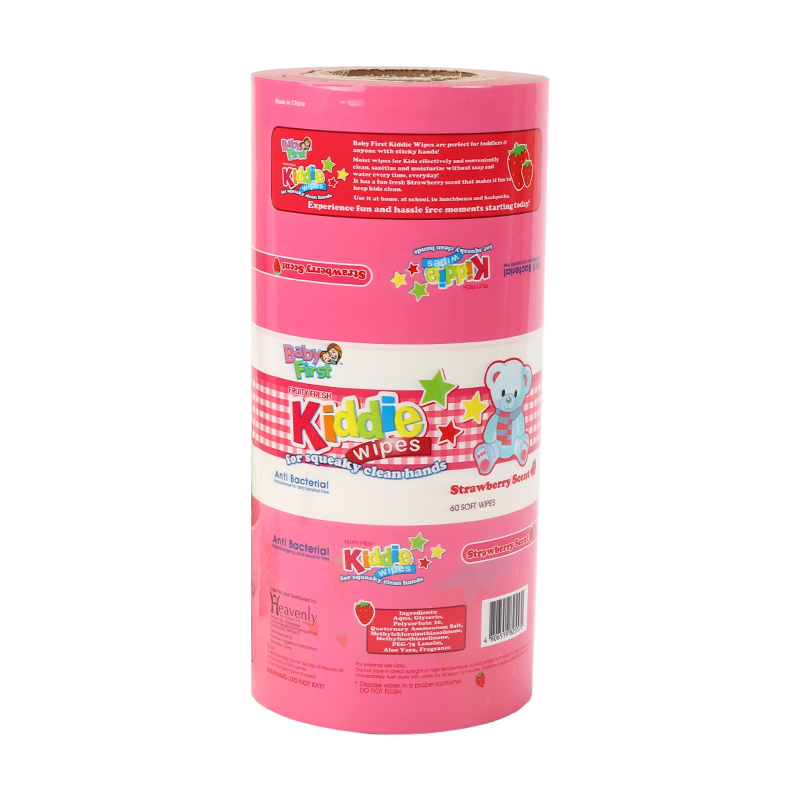
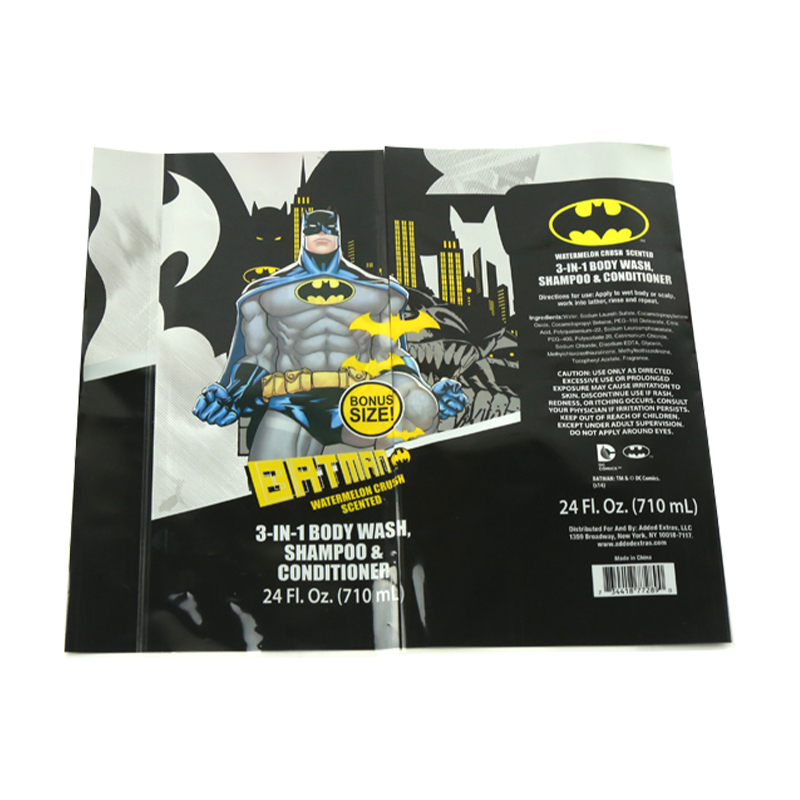
Format selection intersects with material choice at the practical level of packaging line compatibility. Common hygienic packaging formats include:
Recommended Products
CONTACT US
Add: Rooms 101 and 102, Building 16, Longcheng Micro-Entrepreneurship Park, Longgang City, Wenzhou City, Zhejiang Province, China
TEL: +86-13395775085
E-mail: [email protected] / [email protected]
KEEP In Touch


 English
 русский
 Español