2026-04-10
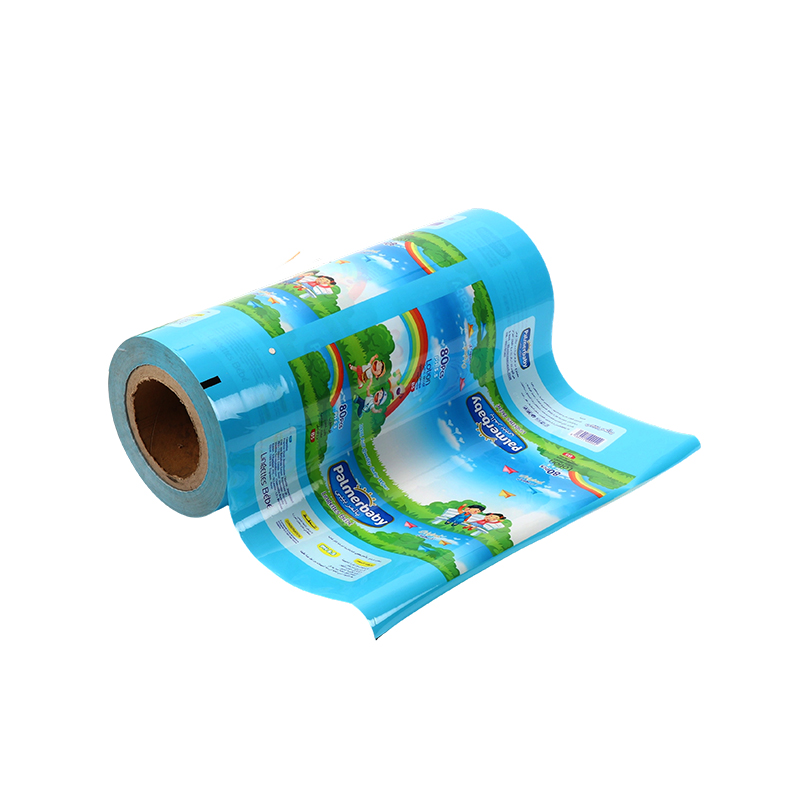
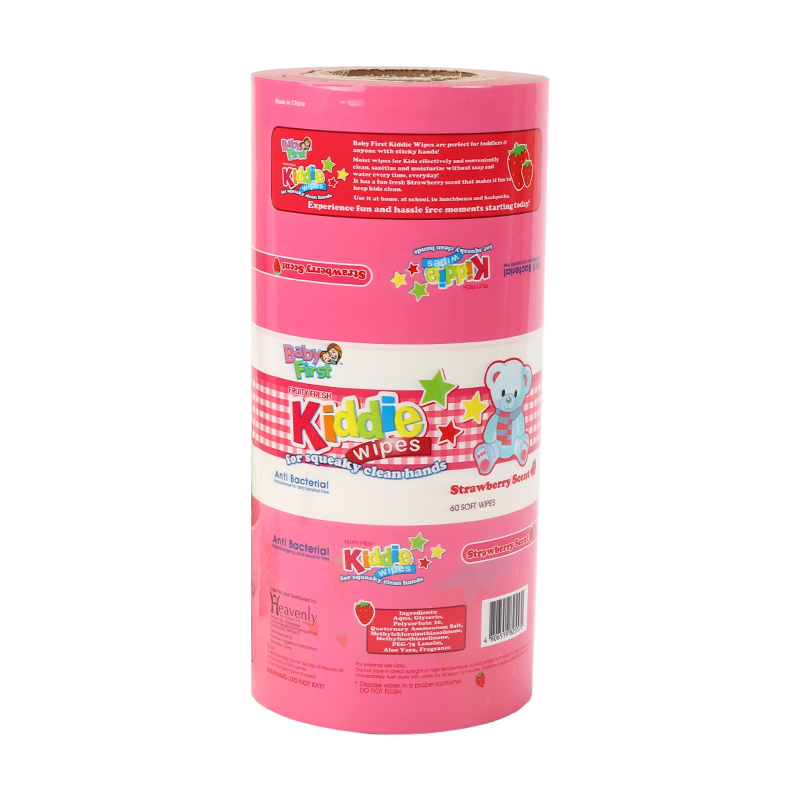
Wet wipes packaging film rolls play a central role in the production and distribution of wet wipes across many industries. These rolls are designed to protect the wipes from moisture loss, contamination, and damage during transportation and storage. They come in a variety of materials, thicknesses, and finishes, each tailored to suit specific types of wet wipes and packaging machines.
Manufacturers start with a high-quality polymer film, often polypropylene or polyethylene, which provides both flexibility and durability. This raw material is processed through extrusion or casting techniques to form a continuous sheet. The process allows for precise control of thickness, ensuring the film maintains uniformity throughout the roll. Consistent thickness is essential because variations can lead to packaging errors or tearing during production.
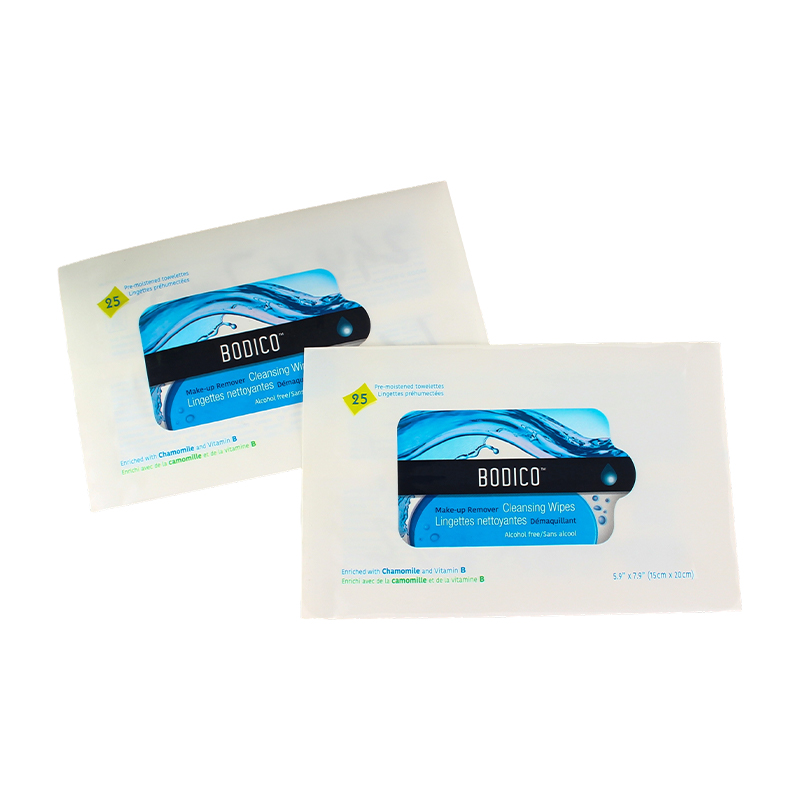
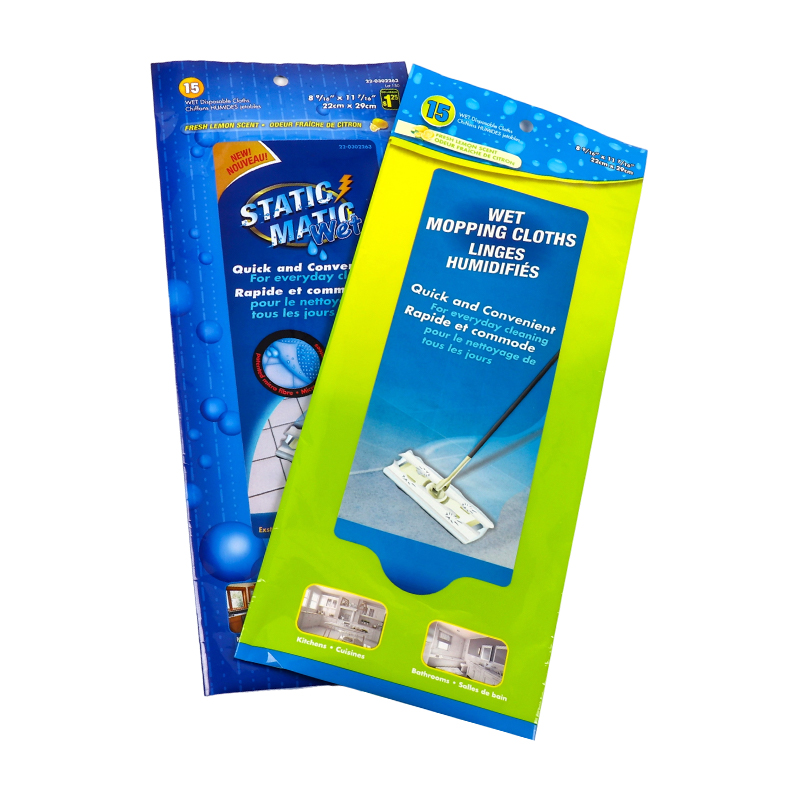
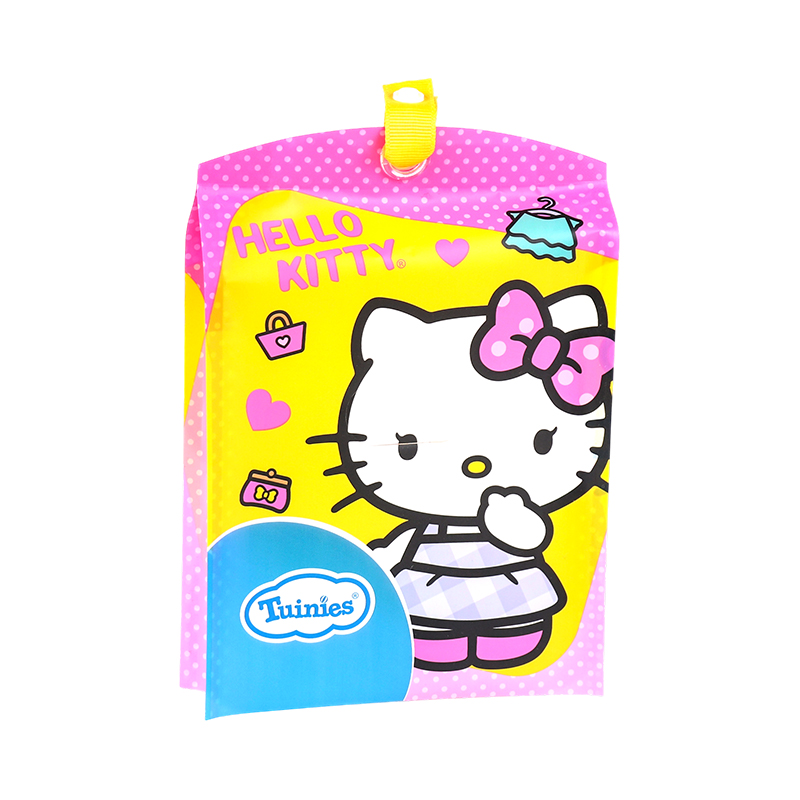
Printing is an integral part of wet wipes film roll production. Modern printing techniques, including flexographic and rotogravure methods, allow manufacturers to apply designs, brand logos, and usage instructions directly onto the film. These methods provide clear and durable prints that can withstand moisture and handling without smudging. Multi-color printing adds an extra layer of visual appeal, helping products stand out on store shelves.
Once printed, the film is often treated to improve its sealing capabilities. Heat-sealable coatings or layers can be applied to ensure that the wet wipes stay moist and fresh until they are opened by consumers. The sealing performance of a film is crucial because even minor leaks can compromise the effectiveness of the wipes and diminish consumer trust.
Cutting and rewinding the film into precise rolls is another critical step. Large sheets of film are slit into narrower widths according to machine specifications. The rewinding process ensures tight, even rolls, which facilitate smooth feeding into automatic wet wipes packaging machines. Rolls are typically tested for tension consistency and edge alignment to prevent machine jams and maintain production efficiency.
Packaging film rolls are also designed with functional features. Perforations may be added for easy opening, and textured surfaces can improve grip and handling. Some rolls include layers that provide barrier properties, protecting the wipes from dust, UV exposure, or minor temperature changes. These properties help maintain product quality during storage and shipment.
The production of wet wipes packaging film rolls involves careful quality control at every stage. Films are inspected for pinholes, wrinkles, or uneven printing. Laboratory tests may check film thickness, tensile strength, and heat-sealing capability. Ensuring that each roll meets the required specifications reduces waste, prevents packaging failures, and guarantees a smooth operation on packaging lines.
Design flexibility is a notable aspect of wet wipes packaging film rolls. The film can be adapted to different formats, such as travel packs, pop-up dispensers, or refill packs. Each format requires specific film characteristics, including thickness, flexibility, and seal strength. This versatility allows brands to offer products that match consumer expectations while maintaining efficiency in production lines.
Finally, wet wipes film rolls illustrate the integration of manufacturing precision with practical functionality. From polymer selection to printing and sealing, each stage contributes to the reliability and consistency of the final product. The combination of durability, print clarity, and seal performance ensures that wet wipes remain fresh, convenient, and ready for use when consumers need them.
Recommended Products
CONTACT US
Add: Rooms 101 and 102, Building 16, Longcheng Micro-Entrepreneurship Park, Longgang City, Wenzhou City, Zhejiang Province, China
TEL: +86-13395775085
E-mail: [email protected] / [email protected]
KEEP In Touch


 English
 русский
 Español