2026-09-18
Food packaging bags play a functional role across manufacturing and distribution networks, moving products from processing facilities to warehouses, retailers, and eventually consumers. For manufacturers supplying bulk goods, snacks, grains, or frozen items, the choice of bag directly affects how efficiently products move through a supply chain. Understanding the variations available helps buyers and production teams select options suited to their specific operational needs.
Manufacturers typically choose between several base materials when producing bags for food products. Polyethylene and polypropylene remain common choices due to their flexibility and ability to form reliable seals. Laminated structures, which combine multiple thin layers, are often selected when a supplier needs added barrier properties against moisture or oxygen exposure. Some production lines also incorporate a [material thickness range] depending on whether the bag is intended for dry goods or items with higher moisture content.
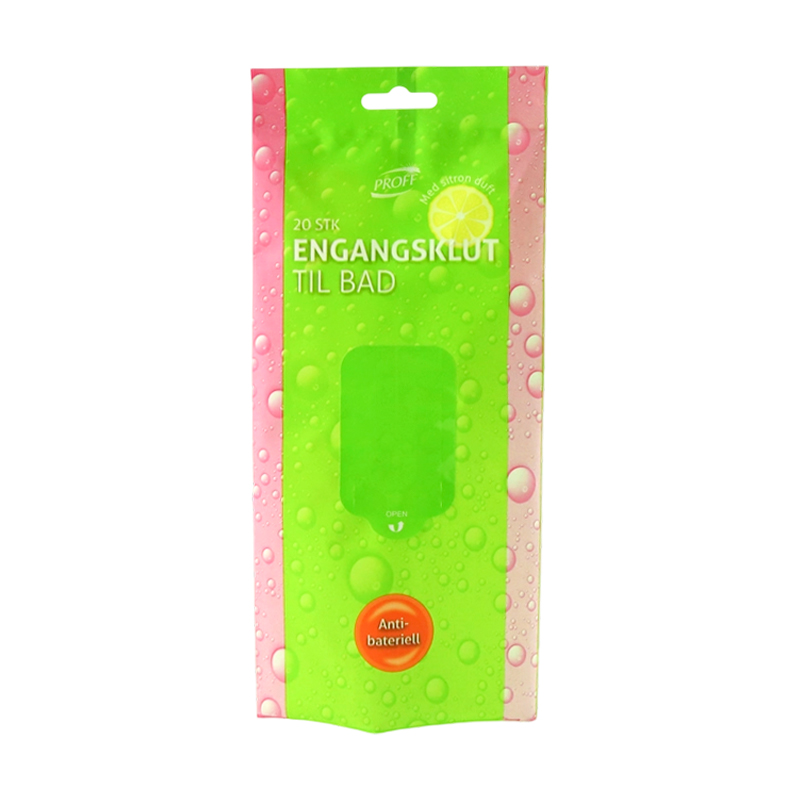
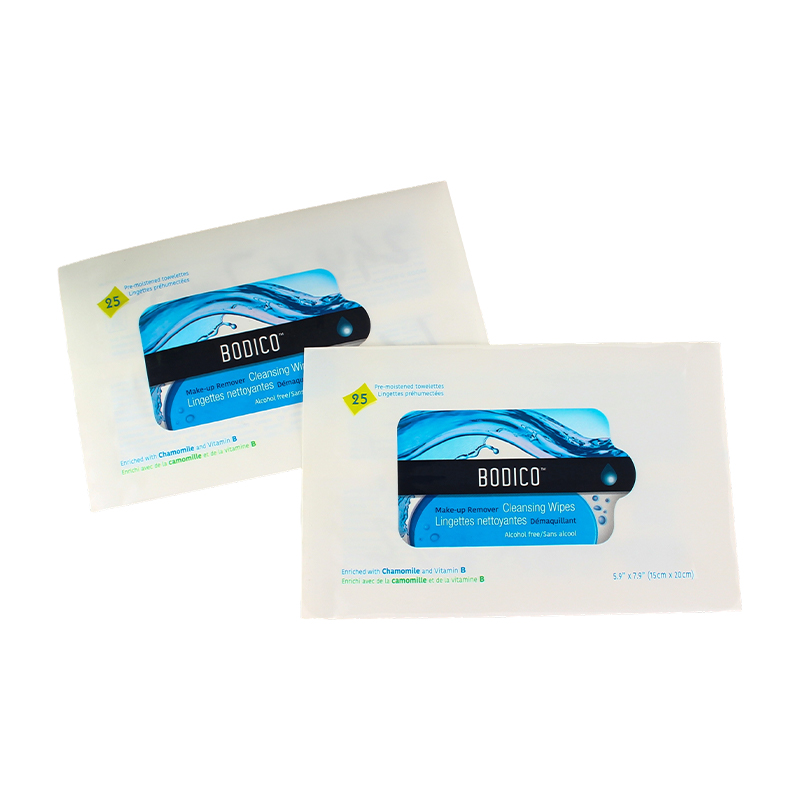
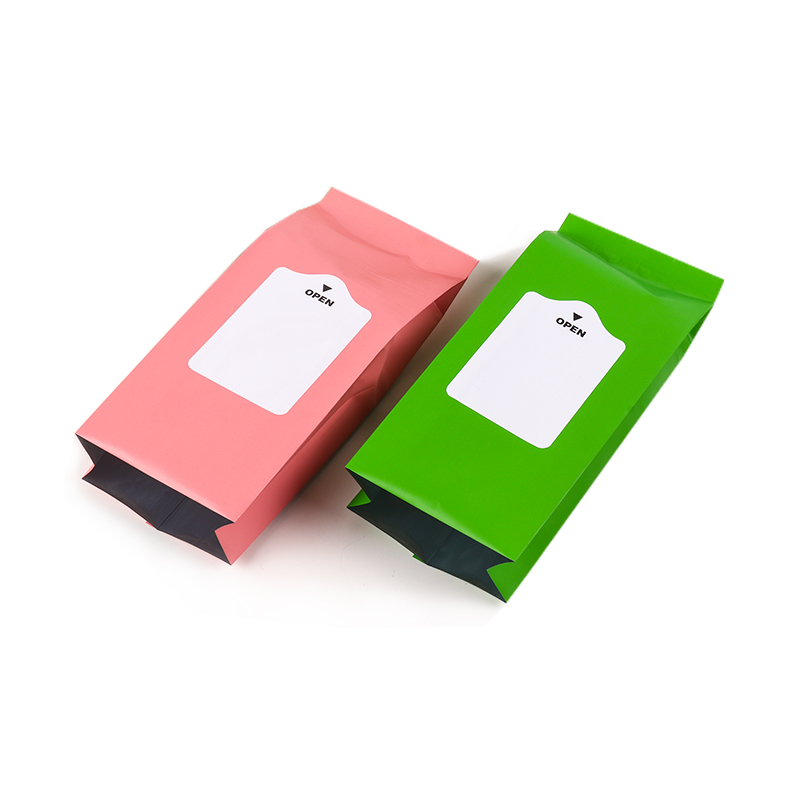
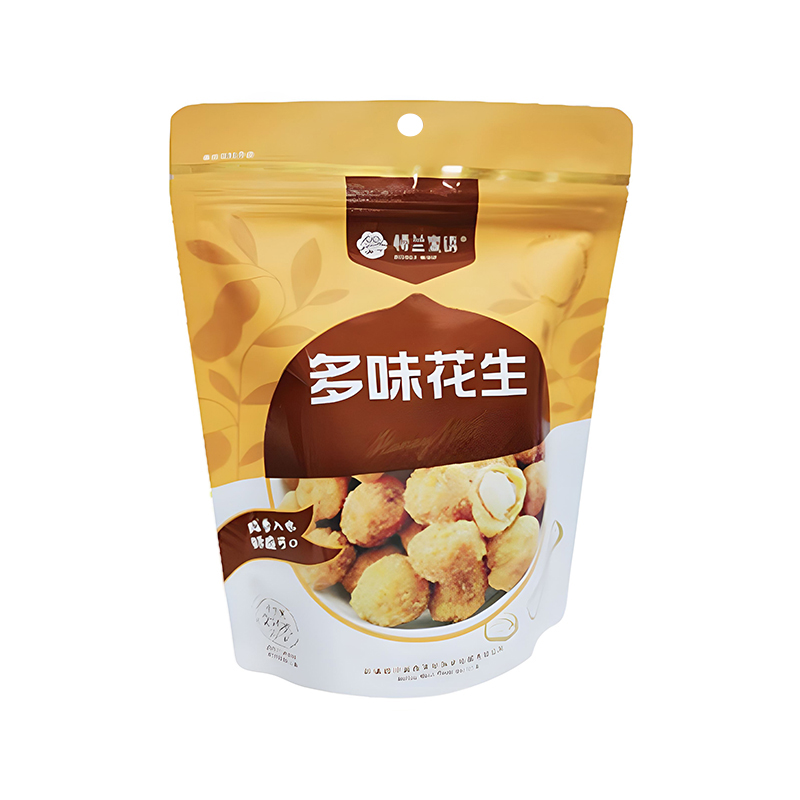
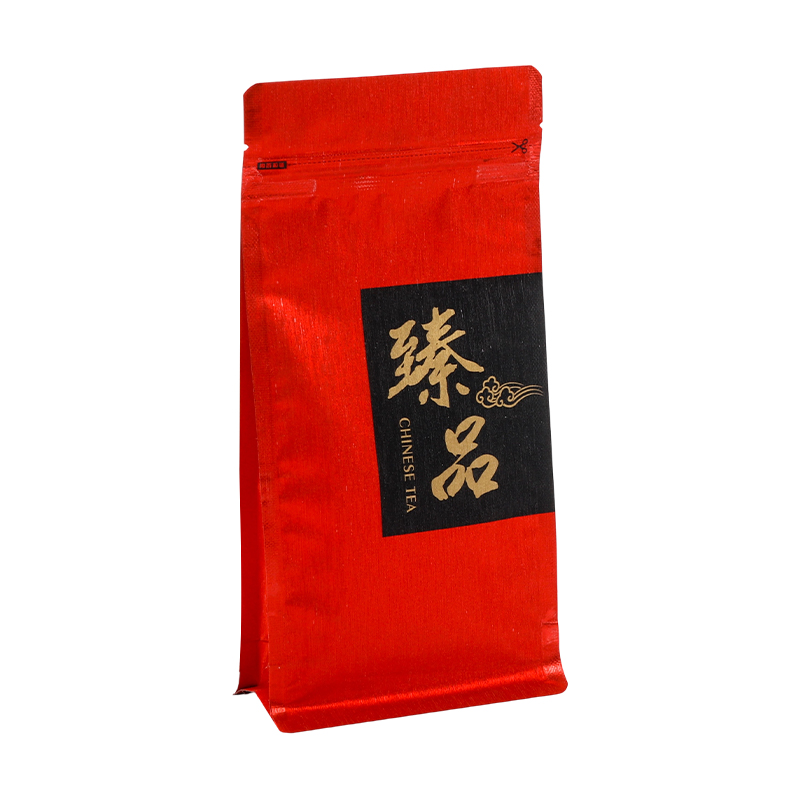
Bags come in several structural formats, each suited to different filling and handling processes. Flat pouches work well for lightweight items like tea or spices, while stand-up pouches offer stability on shelves and during transport. Gusseted bags, which include folded side panels, allow for expanded volume and are frequently used for bulk items such as flour or pet food. Manufacturers select a format based on the filling equipment already in place at their facility, since compatibility affects overall production speed.
The way a bag closes matters for both handling during transit and ease of use once it reaches a distribution point. Heat sealing remains a standard method across many production lines, forming a bond that keeps contents secure during stacking and shipping. Some formats include resealable strips or zippers, which are useful for products that get opened and closed multiple times before being fully used. Closure choice often depends on the product type and how it moves through packaging equipment.
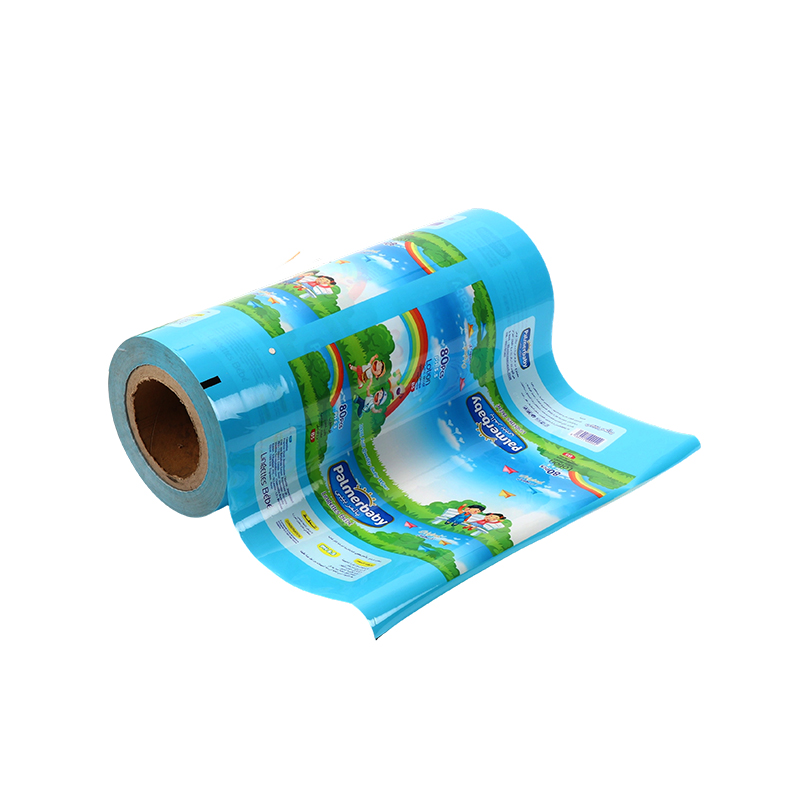
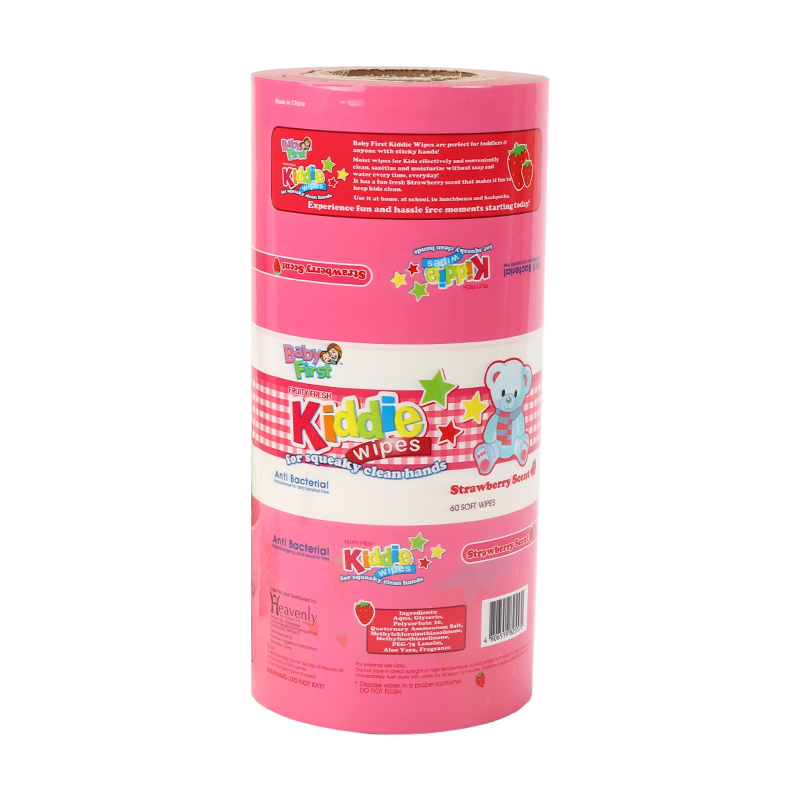
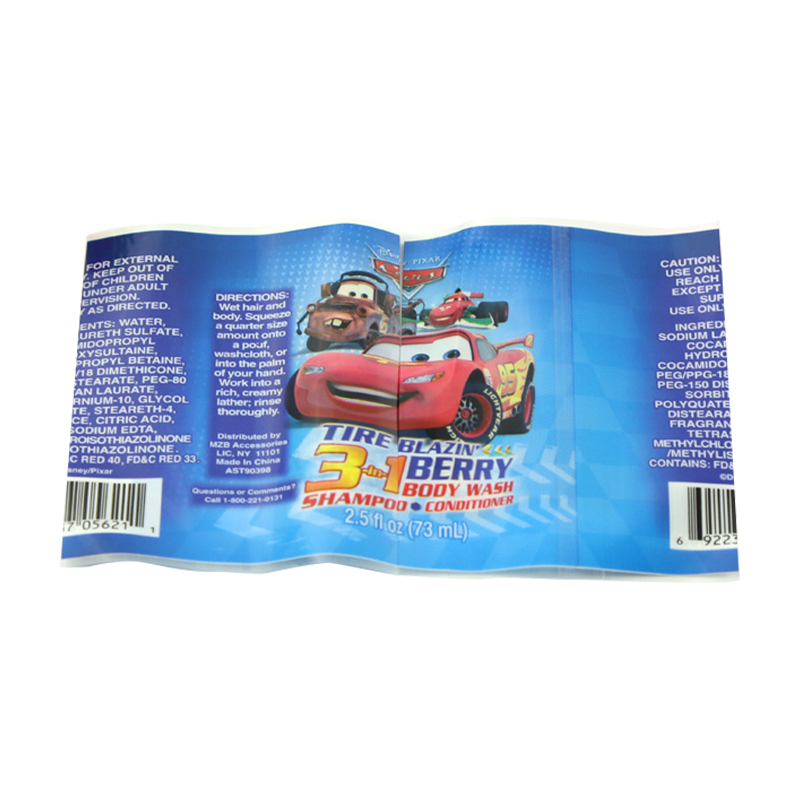
Surface printing on food packaging bags typically covers product names, ingredient lists, and basic handling information. Flexographic and rotogravure printing methods are widely used because they accommodate large production runs at a steady pace. Manufacturers working with multiple product lines often standardize on one printing method to keep production consistent across different bag sizes and shapes, reducing complexity on the factory floor.
Different product categories call for different bag specifications. Snack manufacturers often need bags with a [barrier layer specification] to manage oxygen exposure, while bakery suppliers may prioritize breathability to prevent moisture buildup inside the bag. Frozen food producers typically require thicker gauges to withstand temperature changes without becoming brittle. Suppliers producing bulk commodities like rice or sugar tend to favor simpler, cost-efficient formats since branding is less of a priority for these product lines.
When sourcing food packaging bags, buyers generally evaluate a few core factors: material compatibility with the product, expected order volume, and turnaround time for production. Larger manufacturers may work directly with bag producers to customize dimensions or print specifications, while smaller operations often rely on standard stock sizes to keep lead times shorter. Communication between the buyer and producer about fill weight, product texture, and handling conditions typically shapes the final bag specification chosen for a given order.
Recommended Products
CONTACT US
Add: Rooms 101 and 102, Building 16, Longcheng Micro-Entrepreneurship Park, Longgang City, Wenzhou City, Zhejiang Province, China
TEL: +86-13395775085
E-mail: [email protected] / [email protected]
KEEP In Touch


 English
 русский
 Español