2026-09-25
Wet wipes packaging bag serves as a practical container that keeps wet wipes moist and ready for use in various settings. Factories produce these bags to hold stacks of pre-moistened sheets while protecting them from drying out during storage and transport. The design focuses on barriers that retain moisture and allow easy access when needed. In the packaging sector, attention stays on material selection, sealing methods, and production flow that support consistent output for brands and distributors.
Production of a wet wipes packaging bag begins with films that create a reliable moisture barrier. Common layers include polyethylene for flexibility and polypropylene for added strength. Some versions combine multiple films through lamination to improve resistance to leaks and external air. Aluminum foil layers appear in certain constructions when stronger light and moisture protection is required. Adhesives and heat-seal coatings join the layers so the finished bag holds its shape under normal handling. Manufacturers test film thickness and seal strength to match the expected shelf conditions without altering the basic structure.
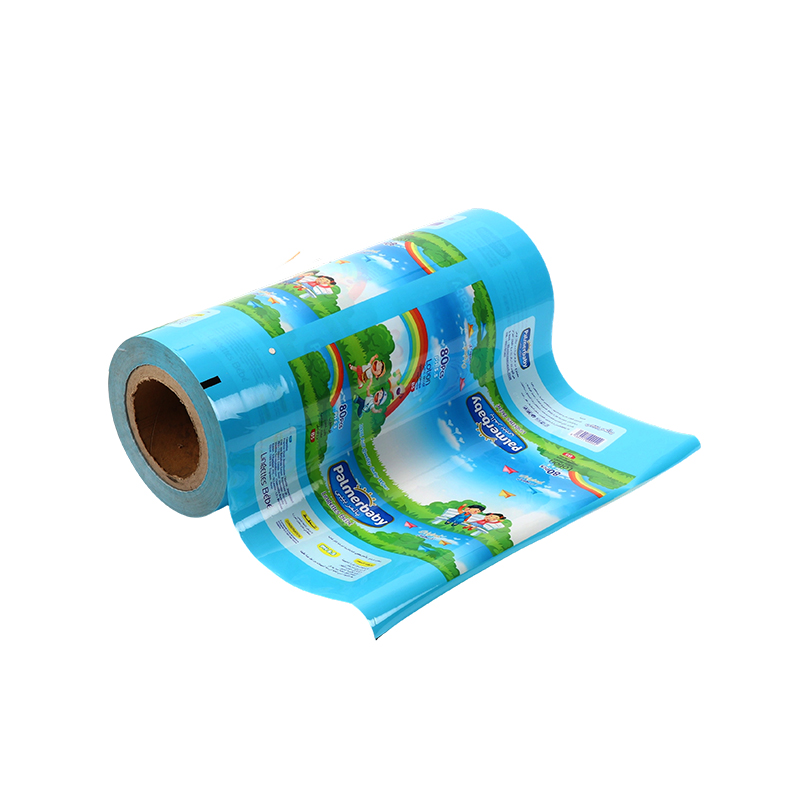
The process of making a wet wipes packaging bag follows a sequence of film preparation, forming, and sealing. Rolls of film feed into machines that form the bag shape through folding or pouch-making stations. Heat or ultrasonic seals close the sides and bottom while leaving an opening for filling. After the wet wipes stack enters the bag, a final seal closes the top. Some lines add a resealable sticker or plastic lid that covers a perforated opening. Quality checks monitor seal integrity and overall dimensions so each wet wipes packaging bag meets the required specifications before packing into cartons.
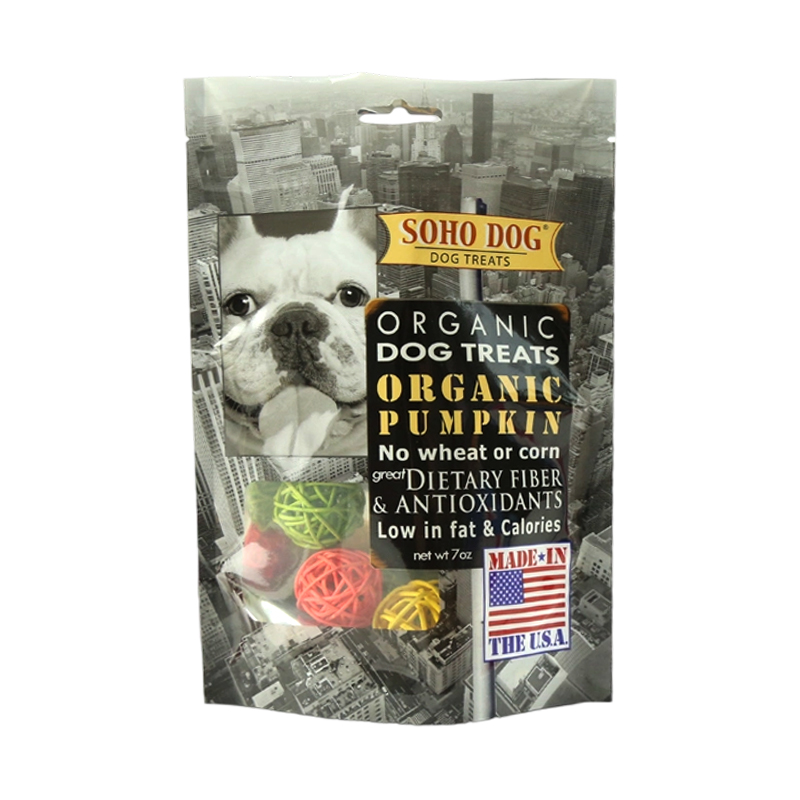
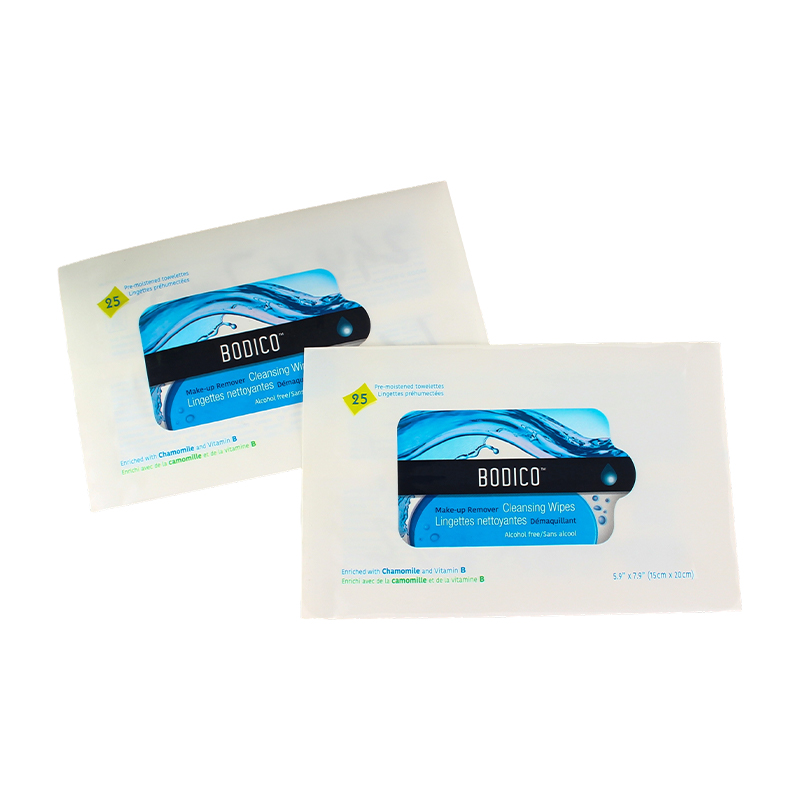
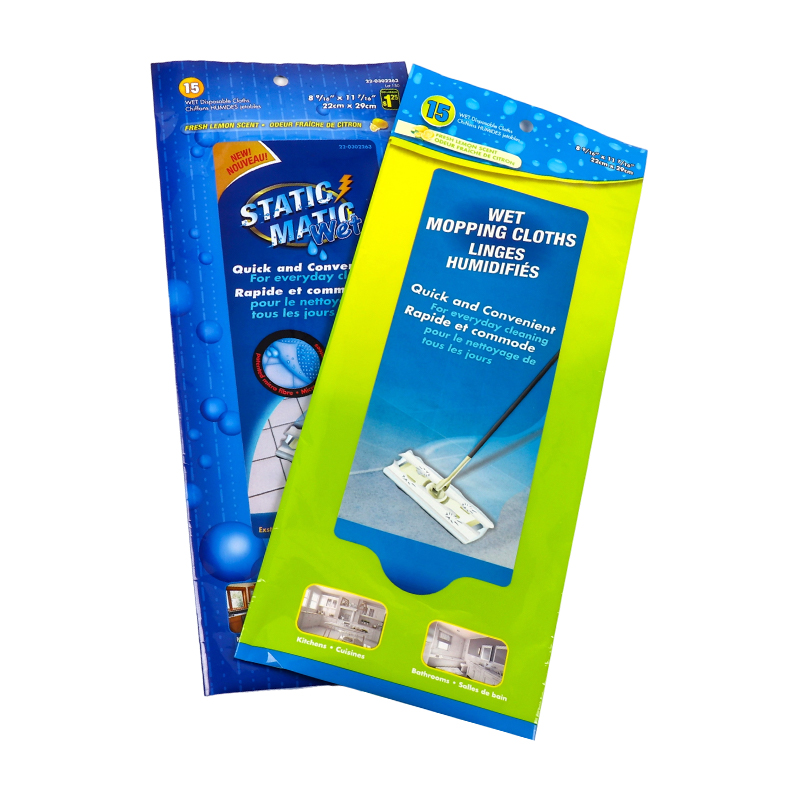
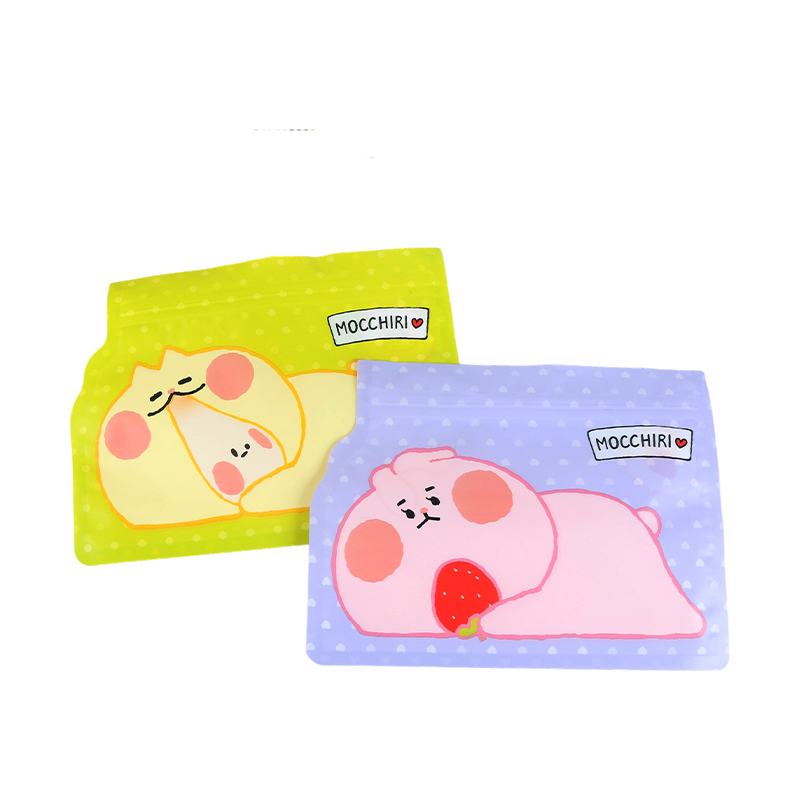
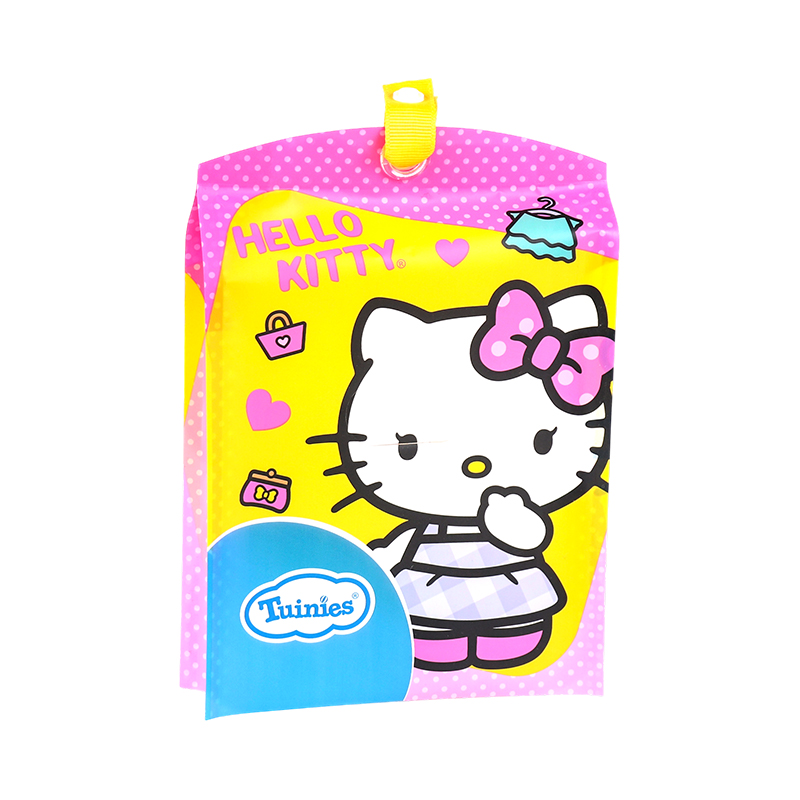
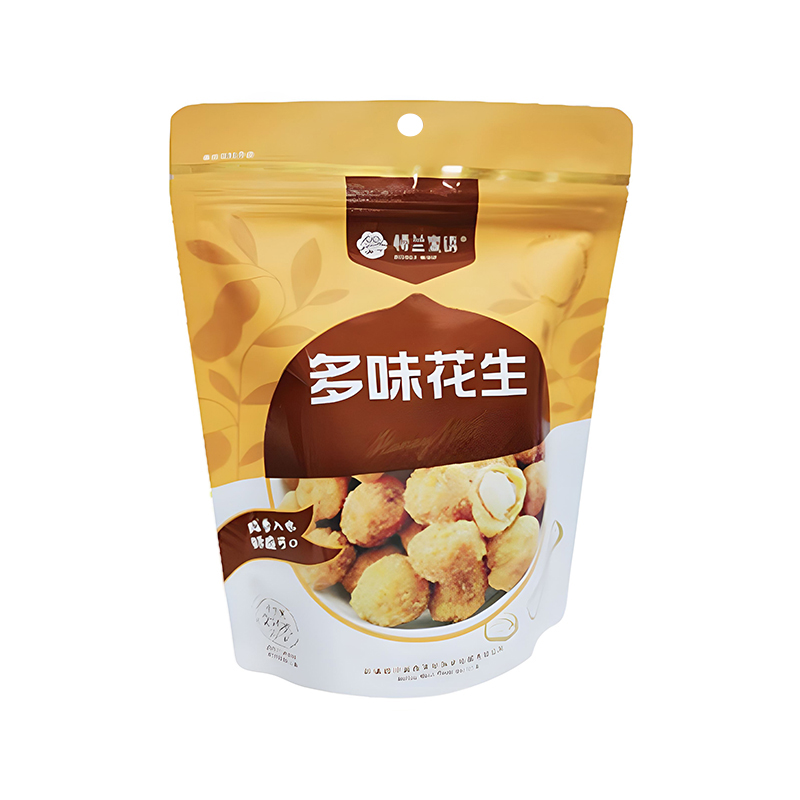
Different formats of wet wipes packaging bag address varied packing needs. Flow-wrap styles create a tight seal around the wipe stack for compact shipping. Stand-up pouches offer a wider base that remains upright on shelves. Soft packs with a peel-and-reseal flap allow repeated access while limiting moisture loss. Rigid lid options attach to the top of the bag for quicker dispensing in high-use locations. Print areas on the outer surface accept branding and product information without affecting the barrier properties. These variations let producers match the wet wipes packaging bag to different wipe sizes and order volumes.
Several functional details define a standard wet wipes packaging bag. The resealable opening allows users to close the pack after removing sheets, which slows moisture escape. Transparent or semi-transparent sections show remaining product levels at a glance. Tear notches or easy-open edges simplify first access. Some constructions include a hanging hole for display racks. These features emerge from adjustments in film selection and sealing patterns rather than complex additions. Production lines can switch between formats by changing tooling and film rolls, supporting flexible order runs.
Film suppliers and bag producers work together to match material properties with machine capabilities. Consistent film thickness and sealability reduce downtime on packaging lines. Shared specifications for moisture transmission rates guide the choice of barrier layers. Regular communication about roll widths and core sizes keeps the supply of film aligned with production schedules. This coordination helps maintain steady output of wet wipes packaging bag units that fit the filling equipment used by wipe manufacturers.
The combination of barrier materials, precise sealing, and practical formats allows the wet wipes packaging bag to protect contents from production through delivery. Factories continue refining film combinations and machine settings to support reliable performance across different order sizes and distribution paths.
Recommended Products
CONTACT US
Add: Rooms 101 and 102, Building 16, Longcheng Micro-Entrepreneurship Park, Longgang City, Wenzhou City, Zhejiang Province, China
TEL: +86-13395775085
E-mail: [email protected] / [email protected]
KEEP In Touch


 English
 русский
 Español