2026-07-24
Food packaging film rolls appear in kitchens around the world as a common tool for handling leftovers and preparing meals. These rolls provide a flexible layer that helps cover dishes, wrap items, and separate portions. Their everyday presence makes many routine tasks simpler for home cooks and busy families.
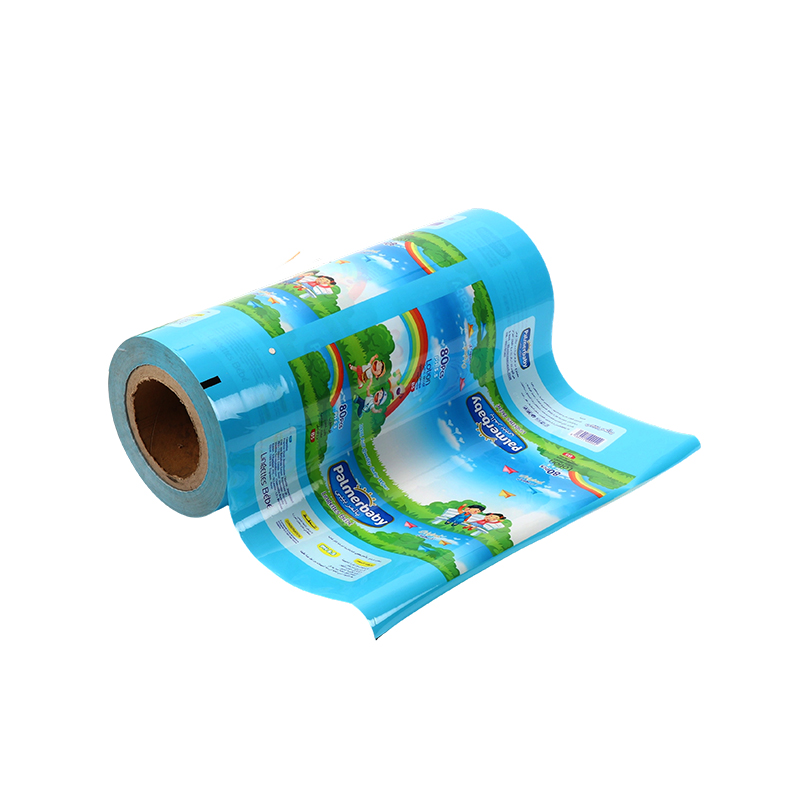
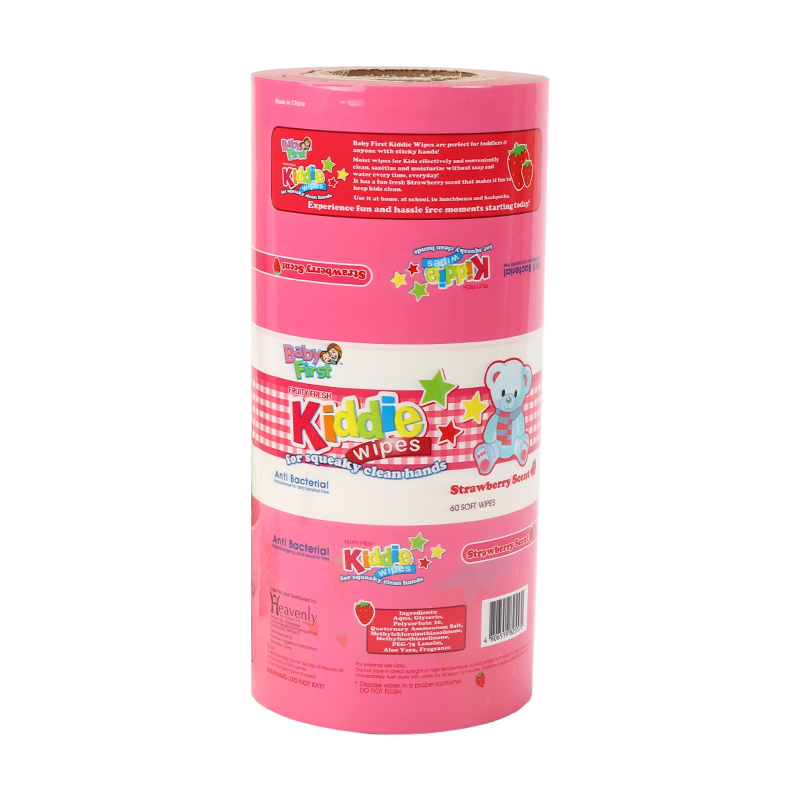
Food packaging film rolls typically consist of thin, stretchable layers produced in continuous form. Manufacturers wind the material onto sturdy cores that fit standard dispensers found in many kitchens. The film thickness varies across different rolls to suit light wrapping or heavier covering jobs.
Clear versions let users see contents at a glance, while some include a slight tint for specific applications. The rolls dispense smoothly, with perforations or cutter bars on boxes helping create clean edges. This practical design supports quick use when time matters during dinner rushes or morning routines.
Some food packaging film rolls feature extra stretch for irregular shapes like whole fruits or leftover roasts. Others provide a standard cling level suitable for flat surfaces such as plates and cutting boards. Dispenser boxes sometimes include sliding cutters that make one-handed operation possible.
Rolls come in multiple widths, from narrow sizes for small items to wider options that cover large platters. This range allows households to keep one or two types on hand without needing specialized tools. The variety supports both casual home use and more structured meal planning.
By enabling better storage, food packaging film rolls help extend the usable life of prepared meals and fresh produce. A wrapped half onion stays crisp longer than one left exposed. Cheese portions maintain texture when covered properly. These outcomes support mindful consumption patterns in households.
The continuous roll design means users take only what they need, matching the film to the job at hand. This flexibility encourages people to save more of their groceries instead of discarding partially used ingredients. Over time, such practices contribute to smoother kitchen flow.
Production begins with raw materials formed into thin sheets through specialized equipment. These sheets receive treatment to achieve the right balance of cling and strength. Quality checks ensure consistent thickness along the entire length of the roll.
Finished rolls are then wound tightly and packaged into boxes ready for distribution. The process yields long lengths that provide good value for regular users. Attention to even winding prevents tangling when the film pulls out during use.
Food packaging film rolls blend into contemporary kitchens alongside other tools like reusable containers and storage bags. Their quick deployment makes them suitable for fast-paced schedules where people grab meals on the go. Social gatherings benefit from wrapped platters that travel neatly between homes.
Whether protecting a single apple slice or securing a tray of appetizers, the film handles a wide array of shapes and sizes. This versatility keeps it relevant for both simple snacks and elaborate dinner preparations. The rolls support creativity in the kitchen by making storage straightforward.
Food packaging film rolls remain a steady feature in many cooking spaces because they address common needs with minimal fuss. From quick covers to careful wrapping, they help manage food throughout its journey from preparation to consumption. Their practical design and ease of use continue to make them a familiar sight on kitchen counters everywhere.
Recommended Products
CONTACT US
Add: Rooms 101 and 102, Building 16, Longcheng Micro-Entrepreneurship Park, Longgang City, Wenzhou City, Zhejiang Province, China
TEL: +86-13395775085
E-mail: [email protected] / [email protected]
KEEP In Touch


 English
 русский
 Español