2026-06-26
The shrink film label serves as a versatile solution for decorating and identifying containers across many consumer goods. This type of label uses heat-sensitive film that conforms tightly to the shape of bottles, jars, cans, and other packages when heated. In the packaging industry, shrink film labels provide full-surface coverage and a smooth appearance that enhances product visibility on store shelves.
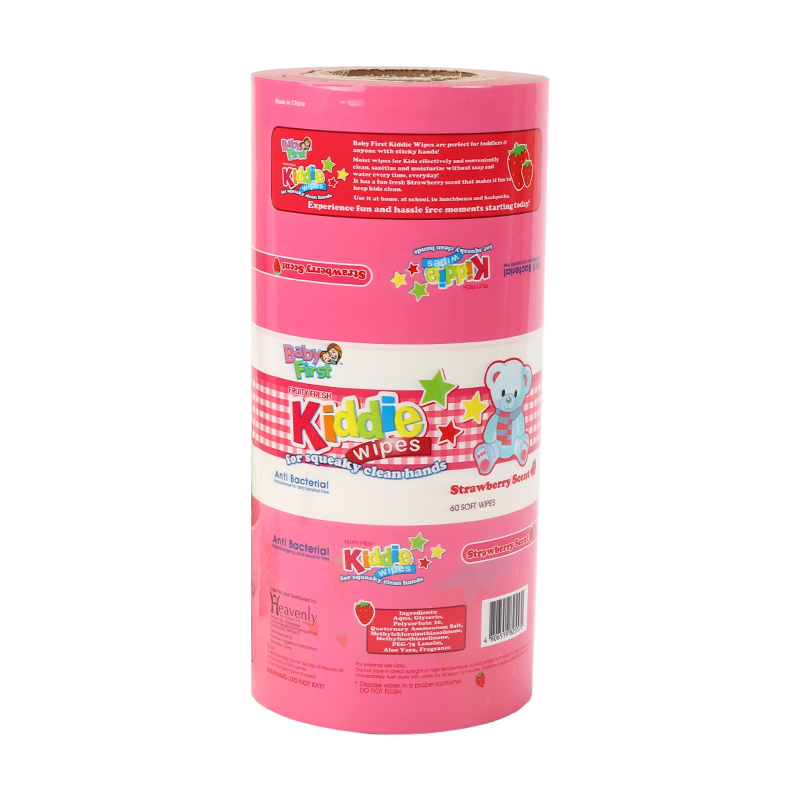
The process begins with printing on flat film rolls. Once printed, the film is cut or formed into sleeves or wraps that fit loosely over the container. As the package passes through a heat source, the film contracts uniformly, molding itself to the product's contours.
This shrinkage creates a secure fit that resists shifting during handling and transport. The controlled contraction ensures the printed design remains undistorted and aligned with the package shape.
Printing on shrink film labels involves methods like gravure, flexographic, or digital printing to achieve sharp images and vibrant colors. The inks must withstand the heat shrinking process without fading or cracking. Designs account for the anticipated shrinkage ratios to ensure text and graphics appear correctly proportioned on the finished package.
Reverse printing on the inner surface of the film offers added protection for the graphics against scuffing and moisture. This approach maintains appearance throughout the product lifecycle.
Shrink film labels appear frequently on beverage bottles, including water, soft drinks, juices, and beer. The full-wrap capability allows for 360-degree graphics that communicate flavor varieties, nutritional information, and promotional messages. The label conforms to tapered or curved bottle shapes common in this category.
In multipack configurations, shrink film labels can bundle multiple containers together while providing combined branding across the group.
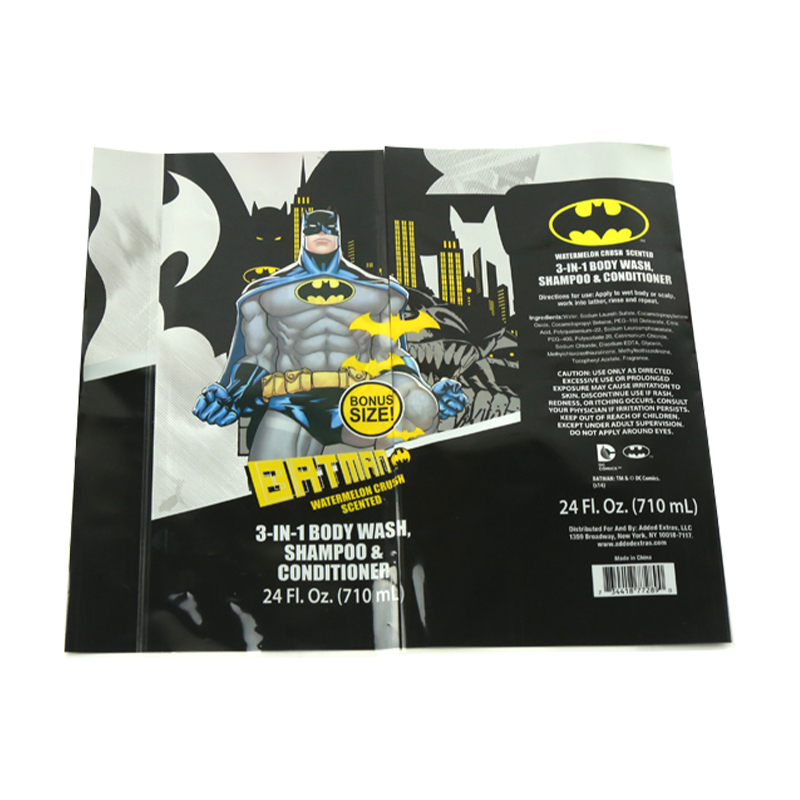
Food containers for sauces, oils, jams, and dairy items utilize shrink film labels for effective product differentiation. The labels accommodate various jar and bottle formats while delivering tamper-evident features in some designs. Household products such as cleaning supplies and personal care items also benefit from the conformal fit that shrink film labels provide on spray bottles and dispensers.
The film supports high-impact visuals that help products stand out in crowded retail categories.
Shrink film labels integrate efficiently into automated filling and labeling lines. The loose application before shrinking allows for high throughput without precise initial positioning. Once shrunk, the labels deliver a uniform, professional finish that supports brand consistency across large production volumes.
This method reduces the need for multiple label types on a single line, simplifying changeovers between different product variants.
Shrink film labels come in full sleeve formats for complete coverage and partial wraps for targeted decoration. Some incorporate perforations for easy opening or tear strips for tamper evidence. Clear film versions create a no-label look, while opaque films provide background for lighter graphics.
Specialty effects such as matte finishes, metallic inks, or tactile elements can be added during printing to enhance shelf appeal and consumer interaction.
Shrink film labels work effectively on glass, plastic, and metal containers. Their flexibility accommodates thermal expansion differences between the label and substrate. For heat-sensitive products, lower-shrinkage films or adjusted application parameters ensure compatibility without affecting contents.
This adaptability makes the technology suitable for diverse packaging platforms in food, beverage, and non-food sectors.
Recommended Products
CONTACT US
Add: Rooms 101 and 102, Building 16, Longcheng Micro-Entrepreneurship Park, Longgang City, Wenzhou City, Zhejiang Province, China
TEL: +86-13395775085
E-mail: [email protected] / [email protected]
KEEP In Touch


 English
 русский
 Español